
 Apple Podcasts

 Spotify

 YouTube
Sound, Stage, and Success with Malcolm Weldon

Episode 356
In this engaging conversation, Malcolm Weldon shares his journey from aspiring recording engineer to seasoned production manager and event producer.
He discusses the challenges and rewards of touring, the importance of mentorship, and the impact of family support on his career. Malcolm reflects on his early experiences, the lessons learned in the music industry, and the inspiration he drew from iconic artists like Earth, Wind & Fire. His story is a testament to hard work, dedication, and the power of connections in achieving success in the competitive world of live events. In this engaging conversation, Malcolm shares his journey from a young music enthusiast to a seasoned production manager in the music industry. He reflects on his experiences working with iconic artists, the evolution of touring, and the importance of mentorship.
The discussion highlights the challenges and excitement of modern productions, the significance of hiring for character, and the impact of social media on the music landscape. Malcolm's passion for his work and the joy of creating memorable experiences for fans shine through as he looks ahead to the future of touring.
This episode is brought to you by Delicate Productions and ETC
0:00 I saw an advertisement saying a sound master school of recording and I was like, oh, this is what I want to do. This is it. One thing led to another and then led me to the theater, which led me to Marty, which led me to the the, the manager for, for for Janet. That's the person who brought me in and that's the person who really, really changed my life. And that manager is his name is Roger Davies. Right. Davies managed, he managed Janet, he managed Tina Turner, who's another person who really changed my life.
0:48 So the two of the biggest people who changed my life with Roger Davies and Tina Turner. Well, thank you for joining me again for another episode of Geezers of Gear today. And so first I wanted to let you know I have just created a new web tool, website, web thing within the whole Geezers Media Group, which is part of Geezers of Gear or Geezers of Gear is part of. And so this new website really was just created to bring news in from all sources on our industry. And whether that's gear, press releases, new equipment or it is, you know, events or company news, people news and it's free. It's not tracking you, it's not advertising to you, it's not doing anything.
2:08 You can sign up, add your e-mail and it will send you updates every day. I think it's every day or every week, I'm not even sure. But go to event wire dot AI and sign up again, it's free, cost you nothing, brings me nothing. It's literally just a gift that I've given to you that brings you news from all sorts of sources and is updated constantly. And we'll send you those updates by e-mail if you choose to sign up. So event wire dot AI is a really great tool. So I hope you'll sign up for it. And Speaking of news, I believe this article will actually be on that site as well.
2:52 ETC just opened applications for the 2026 Fred Foster Student Mentorship Program, which is a very cool program. Obviously a chance for emerging lighting designers, new lighting designers to build industry connections through a series of summer online networking events and then get matched up with an industry mentor who helps guide their career for that next year and often even longer. So the program was started back in 1999 by Fred Foster ET CS founder of course, who believed mentorship was one of the most important ways to grow the next generation of lighting pros. And ETC has carried that tradition forward, which is a beautiful thing because Fred Foster was an amazing human for starting this, and it's so cool that ETC continues it. And so anyways, applications are open now through April 10th, which is a Friday, and while sessions run on North American time zone, students from any region can apply. So if you're in final year undergrad in North America, a second or third year grad student, or studying lighting and design elsewhere with a solid CV, this is worth a look. Details and the application link are available at etcconnect.com/student mentorshipetcconnect.com/student Mentorship.
4:23 Great program and sign up or share it with your friends and family and audience. And so today on the podcast, we have Malcolm Weldon, who is a veteran production manager and event producer with more than three decades of experience leading some of the largest tours in the world. From his early days as a house sound engineer at the Beverly Theatre in Los Angeles, mixing legends like Miles Davis, Miles Davis and R.E.M., to serving as production manager for global superstars including Beyoncé, Pink, Janet Jackson, Cher and Tina Turner. Wow, he is the king of Divas.
5:03 Look at that list. Beyoncé Pink, Janet Jackson, Cher and Tina Turner, Malcolm has helped shape some of the most iconic live productions of the modern touring era. A Parnelli lifetime achievement honoree who jokingly calls himself just an old guy with new knees pushing boxes, Malcolm is known for delivering massive brand defining tours while staying grounded and deeply grateful to the crews and mentors who helped him along the way. I like him already. Please welcome Malcolm. Well, hello there, Mr. Malcolm, How are you? Hello and good morning and hope all is well in your world.
5:44 Yeah, it's good. It's, you know, I feel like I just fell off a truck or something 'cause I was just on a phone call with a, a sound company friend of mine in Canada and he goes, you heard about the Megadeth truck And I said, no, what are you talking about? And I'm from Calgary and Megadeth I guess had a truck flip in Calgary. That's horrible. But it was like 3 days ago, nobody got hurt but the gear. So now they're scrambling, trying to find enough sound and lighting gear to to finish the tour in Canada. Oh, that's horrible. That's, that's, that's another fear. That's another fear. I know one more time I almost had a sound truck do the same thing and it is that's frightening. It's.
6:27 Frightening. Yeah, Yeah, of course. I mean, especially, you know, in Canada, I think there's only, you know, a small handful of companies large enough to just say, Yep, OK, we got enough gear, we can come out and finish it for you. And, you know, I guess it was damaged enough where the system was pretty much completely unusable. So I don't know. I've, I've been meaning to call somebody from PRG and and just get the lowdown on that. I just heard about it this morning though. OK. So yeah, so anyways, I appreciate you taking the time to jump in and do this. OK, we're back. We were, we were infiltrated by dogs, apparently.
7:09 So dogs had taken over the podcast for a moment. So, you know, I, I do like to kind of go through your life story a little bit on this podcast because, you know, we are geezers officially. And, and so, you know, a lot of like, I do get a lot of, of older audience, I guess, but a lot of my audience are young people who are just coming into the industry and I get messages and calls and I run into those people at trade shows and stuff where they're like, Oh, I appreciate you doing this so much. I learned so much from, you know, these folks on your podcast who have been doing it so long. And, but how did you get started?
7:49 I think you started as a as a front of house engineer, right? I started out as a sound guy. I the whole purpose of me getting the music in the, in this business was not to be touring. I got into business to be a recording engineer. That was my hopes and dreams to become a recording engineer and eventually become like a producer and all that. That's the reason I got into the music business. It wasn't because I wanted to tour and I wanted to do. I wasn't able to even thinking, wasn't able to even clocking that. I didn't really understand how you did that. So that no, that was in the early 80's. The recording industry kind of changed. A lot of studios in California, Hollywood area started to close down because this this industry changes.
8:35 People started building studios in their homes. So everything kind of changed and I came at a time when that change was was pretty rapid. And the school I went to, this place called Sound Masters, is in North Hollywood. That's where I went to school at. OK. And I went there, I got out and, you know, I tried to get gigs and I just couldn't get it. And then one thing led to another. I started working at a theater and, and in Beverly Hills as the house sound guy there. And then different artists came through the theater and like I said, I still never thought about going on a tour and especially after working at the theater and seeing a different artist come through and how, no, they're, it's kind of how their lifestyle was, you know, you.
9:34 Didn't it just didn't appeal to you? The whole thing didn't appeal. To you, I don't want to do that. That's crazy. But in the 80s it was much different, you know, you know, the way tours were routed. And I guess and and because I saw bands that were primarily doing theaters, they weren't either the theater where we were at either was bands that were coming up or artists that were coming down. So you know, you don't you don't know what that means from mice perspective, but I could tell there was something that that's not what I wanted to do. And then the I kept trying to be getting the recording studios and I couldn't do that and. Did you ever work in a studio?
10:19 I just did one album for an artist I was working for, doing his live sound and he, he, you know, he allowed me to record some tracks and stuff for him for his album and but it just, you know, it just didn't happen and. Couldn't turn into a a suitable career at the time I guess. Yeah, yeah. And so one thing led to another and one of the tour managers that came through the theater where a bunch of different artists, I would I would occasionally ask him if he I could do some work with him. And I am meant just like weekends or for week, not for no weeks or months on end. That was not what I wanted to do. And he said, one of these days, kid, I'll, you know, well, maybe we'll you'll do something with me and then, you know, then eventually, unfortunately, the the tour, I mean, at the tour, the the theater closed and then I had to pivot and find something no to do I.
11:22 Look at productions. Since 1980, Delicate Productions has mastered the art of lighting, audio and video in high energy live settings. From iconic music festivals to global tours, corporate launches, award shows, sporting events and beyond. For Delicate, the only way to get it right is to get it just right. With precision, creativity and full service production capabilities, they turn bold visions into moments that linger in pop culture's subconscious. Need a single touring partner to handle audio, lighting, video, rigging and production design? Delicate delivers it all. Florida State Located in the greater Los Angeles area and part of the Live Events Productions network, Delicate has access to a deep nationwide inventory of gear and is powered by a highly skilled team, amplifying your tour's full potential.
12:22 Whether you need rigging, production design or end to end show management, they deliver it all seamlessly. And it doesn't end there. Delicate delivers a full 360 degree production experience by teaming up with sister company Pyrotechnico, experts in fireworks, special effects, and drone light shows. Together, they create truly immersive multisensory experiences that elevate every show. Visit delicate.com to see how unforgettable events get made. thatsdelicate.com where technical brilliance meets creative impact. We're back now. So Malcolm had to change devices because the dog ate his phone and all kinds of problems happened, and now we're on a laptop.
13:09 So, yeah, we were just talking about the fact that, you know, you went to school to be a studio engineer and you did one album in a studio with an artist that you were doing some work with, and you were working in the Beverly Theatre, I think, right? Yeah, that's correct. Yeah. So we're up to speed and then artists started coming through and probably offering you gigs, right? Yeah, a couple orders, a couple of jazz artists, gospel. I work for this jazz artist named George Howard who was became a dear friend and we were. Guitar player, right? Sax player. He played sax. Unfortunately, he passed away in the in the early 90s, but he was, and he was very instrumental in me getting a break and getting me started. And then I, I worked for him for a number of years and then I, I did some touring with the gospel group called The Winans BB and CC Winans.
14:09 And like I said, I didn't, I, I, I started doing little things around town and then one thing led to another. And then I, like I said, I, I work for this one tour manager for him to see if he, I guess I think he wanted to see how I was not my, in my normal environment. And he had me do this one festival for him as a stage manager. We did that one festival and then a couple of weeks later he called me to ask me if I wanted to go on tour. And at that point I had nothing. I was, I was, I was brokered and broke. So happy he kind. Of just to have a gig, yeah.
14:49 Just to have a gig. Yes, I my, I had a one year old and my wife was pregnant with my, with my daughter at the time. And we were, it was, it was rough times, tough times. So I got, he offered this gig to me. He told me who the artist was and I wasn't familiar who would, who the artist was because that wasn't the music I listened to. So I was like, yeah, OK, and and we know I got the gig and then, you know. So that was a tour or that was a. Tour that was coming up, so I one festival thing for him, the Pacific Asian Festival in Pan Pacific Park in LA.
15:30 I did that thing and then that one thing led to him, to him offering me a gig. So this was your first real tour? This is my first real tour. Yeah, I had never. As a stage manager. Yeah, as a stage manager, he asked me to come out age manager. And like I said, he offered me the gig. He told me who the artist was. I didn't know who the artist was because that wasn't the music I listened to. And then I maybe a couple days later I was in a grocery store and that's back in the 80s. Where you'd walk into a grocery store and you'd have, you know, all the magazines and all the, yeah, newspapers with. Magazines. What are those? Yeah, yeah. You know, magazine, U.S. magazine, all those different magazines, they were out back then and I'd looked over and I saw to say it's about 10 magazines or things. And then and I'd attend, maybe about half of them had this artist that I was working for.
16:28 So you were like, whoa, these guys are the real deal. Yeah, this is a real person. I mean, I didn't because I didn't know who who that person was. And I, you know, it kind of blew me away. And then I, I realized that the artist, well, I realized that who I was working for was really famous at that point. And she was at that point. And that was Paula Abdul. Oh my goodness. Wow. So yeah. You had no idea who she was. Somebody said you're going to come work for Paula Abdul and you're like, OK. Yeah, yeah. Does she pay well, you know, will I? I'm. Trying to get paid every week gig. That was it. I care. And so we went out on tour and that was called the MTV tour. That was in 89.
17:13 So yeah, that was. Oh, that was like right at the height of of her thing I guess. Like. Yes, she. Was she was big right then? She was huge. She was the guest that I kind of compared to the Gaga or any really famous person at that point. Yeah, that was her moment, yeah. Yeah. So we did that tour and then that, you know, as you do, you do the tour. And that was, it was new to me. And I just thought, oh, if I got done that to her, I'll just go right to another one. But that's not how it works, because no one really knew me besides the. And what were the venues? Arenas. Skaters and arenas. Wow, multiple. Apps your first exposure to that too, right? Yeah, yeah, yeah.
17:56 I mean, it was so. Do you remember what it was like to be on that first tour? Like what was the most shocking sort of stuff? I guess the most shocking part is you is just it's a lifestyle of being on tour. That's that's the hard part when you first started because you're, you're constantly moving. You have to understand you're living out of a suitcase. You're in in and out of hotels. You're on a bus. You know, it's not like you like a normal person's life where you you finish your job and you get in your car and then you drive home and you sleep and you get up and go to the job again. It's not. Yeah, really. Different thing so that. Was now you're a gypsy.
18:39 Yeah, yeah, it. Was a whole other, a whole other different lifestyle, so I had to get understanding. What about living on a bus with a bunch of dudes you don't know? You have to get adjusted to it. No, I had never, never before. I didn't know about that. So you got to understand anything the people had. There was other people who had been on tours and had to explain to me the no proper bus etiquette. Yeah, no pooping on the bus. More people on the bus. It's just giving everybody space, understanding that bump that you're in, that's your space, yeah. And just, you know, just being respectful for everybody of everybody who else is on the bus and so. Yeah. So was that shocking? Like, did you want to call your mom and say, please come pick me up, you know?
19:22 No, no, because I I, I just said I was broke. So it was whatever I needed to do to keep you're. Just happy to be getting paid, yeah. No, you had paid and. Yeah. So, you know, we, I did that tour and it ended and I thought I was going to get another gig right afterwards. And of course it didn't happen because no one knew who who I was. And I think we toured for maybe about four months and then I was off for eight months. Then I got a boy and that led to a kind of the same kind of thing. You work about four or five months and then you're off for another maybe 7 or 8 months. And no things led to one thing led to another, and you get another tour. And then I, I, I think now by, I think it was 91 is when I, Paula Abdul went back out on her own tour. It was called a spellbound tour.
20:14 Now the gentleman who hired me, who actually really, really helped me, I was this guy named Marty Ham. I was going to ask you because I saw all of your artists and I'm like, wait a SEC, you know, this guy's following Marty around. Yeah, any, but Marty gave me a lot. I got a lot of a lot of jobs to Marty. He was very, very, very helpful in my career. Well, you've obviously done great work for him because you're still working with all of his artists today, you know, the same ones. Right. Yeah, yeah, we, we kind of crossed paths. We definitely paths. Yeah, yeah. He was very, very instrumental. So Marty, Marty was the tour manager for for Paula Abdul back then.
20:57 He was the tour, Paula. Yeah, Paula tour. And then the next time I and I, I did some other stuff without Marty. And then another tour kind of came up. What was it? Oh, Janet Jackson, he was a tour manager for Janet. That was back in 94. So I that tour we toured in United States and then and then that tour ended. That wasn't Rhythm Nation. That was after that Rhythm Nation, I think would have been like. Oh, this is Rhythm Nation was in 89.
21:38 Right. Yeah, because I used to have a Rhythm Nation tour jacket because my ex-wife worked for her her record company and so I had a tour jacket from that. I don't know where it is. I don't think I have it anymore. Maybe she kept it in the divorce. I don't know. But but yeah. So I remember seeing the next tour too. That was the one for. It's called Janet, the one I did, and that was right. Was that the one where she did the weird striptease act at the front of the stage with the chair dance thing? Oh yeah, yes, that was that one. Took a person out of the audience and did a little dance for them. I was like, wow, you know, that is crazy. That was that one. Yeah. Yeah, that tour, you know, we were out in all of 94 and then the tour kind of ended in kind of like no end of summer. The tour was done, everything kind of went went away. And then I got a call that she was another manager was taking over her her career and he wanted to see he was going to take her back on the road.
22:47 And there's this new manager wanted to see all of the the set built because he was going to determine how he was going to know route the two and everything. So like I call and then we brought the gear. I built the gear and some some studio in in the Hollywood area or somewhere. And I did all of that. And then he walked around and he would ask me what certain things did and how many carts it went in and all this different information, all these things he was asking me. And I was kind of surprised because a lot of managers don't know that. Yeah, managers are either. They came from being an accountant or a lawyer or an agent or something, but they don't know the the nuts and bolts of touring. Yeah, they're not paying attention to the hardware. They're not paying attention to that. And I was kind of surprised.
23:43 And then he said OK, and it kind of went away. And then later on I got a call that the tour was on and he wanted me to do the tour. And I was surprised because I thought because he was cutting things, he was getting rid of a bunch of stuff. Like he was like, he'd asked me what this thing was and I'd tell him what it was. He would say, well, how many people does it take to build it? And I'd tell him and he goes, OK, how how many? What do you think? How many trucks is all lesson? So I would tell him, right, what I thought if he cut certain things with this is what this would end up being. And I thought he was no, because he was getting rid of a bunch of things. Yeah, you were a goner.
24:25 I thought I was the one that he was going to get rid of. Yeah, bring on his, bring his own people in. And then I got the call and he said he wanted me to do it. And then? That was a nice surprise. That was a very nice surprise and that was probably probably the biggest impact of my life. Really. That was what probably there's there's three people who really affected my life, my grandmother who got me my first job, who got me that first job I got got me to the theater and. Then what was that first job? She got, she introduced me.
25:08 I, I kind of skipped that part. I'm sorry. So my, my, my grandmother, this is she, we, my family is originally from Oklahoma and they move my grade from Oklahoma to California in the 50s and my grandmother and became a domestic worker. So she was a nanny and a housekeeper and she worked for different families in Southern California. I I guess she was very good at it. And there was a comedy writer back in the late 50s, early 60s who had the first, I think he was like 1,000,000 selling comedy album.
25:49 It went, you know, and he that's this, right? He, he became after that he became the Hollywood writer for writing comedy. His, his name is Stan Freeburg. And, and so my grandmother was working for Stan Freeburg in his, in his home in Beverly Hills. She was the housekeeper and a nanny for the family. Wow. And she did that for for, you know, As for a number of years. And then her, their daughter, Donna Freiberg, she was the, you know, the nanny and help raise Donna. And so once my grandmother retired from that, Donna stayed in contact with my grandmother.
26:34 Oh, that's nice. So she every holiday or my grandmother's birthday, Donna would all call. Always call. So to make a Long story short, I hadn't. Donna must be about 6 years older than me and I probably hadn't seen or heard from Donna and probably like maybe 10 years, 10 more, 10 more years. And then one day I went over my grandmother's house and she said that she has spoken to Donna and she told Donna that I was and, and wanted to be a recording engineer or something like that. And then Donna said, oh, that's what my husband does.
27:17 And so my grandmother said, so she said you need to call Donna and cuz she's cuz her husband does what you do and maybe she can, they can help you. And of course, I didn't think my grandmother knew what she was talking about. I was like, yeah, most black people even back then didn't understand what I want to do a lot, understand what I was trying to achieve. So I had him. I was like, what is this? This is old lady. She doesn't know what I'm talking about. I didn't think, I didn't pay any attention to her. That's so funny. So week goes by, I I come back over my grandmother's house and she goes, hey, hey, did you did you call Donna? I was like, no, no, Mama, I didn't, I didn't call Donna. Boy, you better come in here.
27:59 I'm going to call her right now. You're going to talk to her on the phone. And I was like, that's that's not necessarily Mama. Yes, this is what you're going to do. So she calls her, I speak to Donna. We're talking on the phone. She goes, OK, That's what my husband does. You need to you will I'm a hook you up with him. You're going to call and you guys get together. So I call. I talked to him, we talk, he says OK, meet me at at Dr. studios. So I go OK, and so he gives me the address and I sucked. And as I'm going that way, I start to realize that I have been kind of like driving past this area when I was going to recording school. It was just it's maybe about only about a mile away from. Where?
28:39 Oh wow. Where Dr. feels worse. So I pulled into Dr. Studios and then it says Dr. Studios, Dr. Dance Studios, and I'm like, this is not what I'm looking for. I'm not looking to work for a dance studio. I go in. But I do need a gig. I don't think I need it that bad unless, you know. So I go in, I asked for for this guy, his name was Todd Fisher. And he goes, he's I'm here to meet Todd Fisher. And they go, OK, they call for him. He comes out and he kind of he, you know, we greet and then he kind of walking me around showing me the studio and I'm not, you know, I'm not that interested because it's not what I'm really thinking about.
29:22 It's like the, the, the complex had like 4 big dance room, dance studio rooms and then it had two smaller dance studios. And then it had a, and later on we finally got in the back and it had a smaller room, which was a recording engineering of recording room, recording studio. And but it did like voice over work for radio and TV. And I was like, OK, now this, I'm going, OK, this is going to get a little bit better. And then we, he takes me outside, he's showing me around and he takes me over to this, to this truck like a 24 or 26 foot box truck.
30:03 And he he opens it up and it's a mobile recording studio. Oh. OK, this guy is real, all right? OK, So yeah, we kind of get it off. He asked me, you know, he had a couple gigs coming up and did I want to help him? And it was like more of a live audio thing he wanted me to help him with. And so that's what I did. And then I started doing some work with him. I, at the same time I was, I was also, I'm sorry, I, I was also working at a grocery store, this place called ABC Marcus August. Even when I was, even when I was working at the studio, I was also working at the grocery. When I was working at the theater, I was also working at the grocery store. And so I was, I started working for Todd, doing these little shows and little things with him. And then one day he asked me at at the Dr. studios. He said that there was a church in there, that they had rented space there.
31:03 And on Thursdays and Thursdays and Sundays, they had church services. And they were looking for a sound guy. And he asked me did I want to do it? And I said, yeah, yeah, because all I wanted to do was mix. I was like, I'll get to mix. Yeah. He goes, Yep, yes, what we'll do. So that's why I started doing the church started in the small, one of the small studio dance studios in there. And then it grew to when it ended up being in one of the bigger studios. And then it grew so big that we kind of had two studios and we would put speakers in that service would be in one studio and it would be filled and then we put speakers in another studio, so. Like a satellite, Yeah.
31:43 Yeah, it was a satellite. And so we did that. And then this church just got too big. And then they were looking for some place to go to have services. And so they found this theater in Beverly Hills that was being renovated. And then the the theater rent space to them on on Thursdays and Sundays, I believe. Yeah. And so we did church move there and I went there to do the sound for the church. And after a while I was doing stuff there. And then one day the technical director asked me, what did I want to do? What was my what was my goals? I said, oh, I want to become a recording engineer. He goes, oh, OK.
32:25 And then he's, he goes, OK, when he says, I want to talk to you about some stuff. I said OK. And then I had we had a, a concert that we're putting on and it was going to be for this TV network, Christian TV network cost. I think it's called TBN. And we also And so I have been there all day, setting everything up, mixing for this TV show and doing all that stuff. And then we were, I was packing up and I was trying to brush, I was rushing. And so the technical director guy came over to me and asked me why was I in a hurry? I said I had to go to my job. At the grocery store. Yeah, he goes. What do you other job? You've been here all day. I got well, I do this for I do this for free, but I have a real job and I got to get to work. I got to get there.
33:12 Oh, you weren't being paid for this gig? For the church, for. The church. Wow. No, no, no, I just, I just love sound and I love doing what I was doing. And so he goes, OK, and then the next, let's say that that was like on a Thursday. So that that next Sunday I'm at the church setting up the sound and he came over in the ass started talking to me about so my goals and all that. I kind of told him what I was doing. He said, well, would you ever consider working here? And I was like, no, I'm young. I wasn't quite talking. What he was talking to me was like, I was like, we didn't do what he goes well, do sound. I said, Oh, and he said, you know, eventually we're going to open because they were just renovating the theater. So it had it was months of renovating, getting this theater up to up to up to code and up to specs, be doing shows. And he said, once we once we do that, I'm going to need a sound guy.
34:09 And would you be my house sound engineer? So that's what that's kind of, that's how I started. Working. That's wild. You know, isn't it amazing where, like, I always teach my son that. I always teach my employees that, you know, if you sit up at a bar and you order a drink or some food or something, talk to the guy next to you, you know, what do you do? You know, and you just never know where those ideas or leads or opportunities are going to come from for your next gig, you know, or your next opportunity or whatever it is, you know? And so who knew it had come from your grandmother, right? Yeah. Yeah, she my grandmother. That's why I'm here now.
34:51 My grandmother. Your career start. Got me. Yeah, that's the whole that's that was my jump off point. It sounds like though you were really driven, you were going to get there anyway, but she just gave you that. She gave you the opportunity, the doorway in or whatever. For me, and it was next after that and it's just. She's amazing. You know, it's up to you. You can be whatever you want to be. She didn't feel that in me. If you work hard and believe in yourself and you're doing for, things will happen. And it I mean it did. Strong, strong women in your life can certainly, you know, really give you a sort of a path to follow, that's for sure. My mom was always like that. But I was going to ask you.
35:32 So, you know, you keep saying, like I was explaining to people, this is what I want to do. What do you want to do? I just want to do sound. I just want to be a recording. Where'd that come from? That came from I. Again, it was because I love music. I love music and I love being around musicians because I find it miraculous that something, that other thing that's out there can come into some bun and they can think up something and that can come through them and then come through their hands or out of their mouth and they can play this instrument. I'm that I'm I'm still. But you never wanted to be a musician. You just wanted to.
36:15 That was I will, I wanted to be a player and I played beats and I, you know, I, I early, I knew early on that I wasn't going to be the musician that I wanted to be. Yeah. So. Me too. Yeah, that's why the guitars are on the wall and. I'm on the steer. Yeah, yeah, I just, I, I pivoted and went in a different direction and I guess I'm still enthralled by that and. So when when you were, you know, you loved music and you loved music going through people and all that stuff, but what made you really decide that sound and being a sound engineer was how you wanted to sort of, you know, do that as.
37:01 You know, you know, back in the day, albums came out and in the back of the album would have be all the liner notes. And then liner notes would tell you all no, I would tell you all the in all the musicians that played, everybody that was a part of making that record. And I would always see on there said recording engineer or producer. And I was like, well, what is that? I kept trying to figure out, but that wasn't and then I finally realized, oh, that's who records and makes the record. Else it just clicked for you. Yeah, it just clicked and that's. That's cool. That's what told me just to do and the thing was just trying to figure out how do you do that. Yeah. Do you, how do you become that? And I've remember this is back in the day where the LA Times weekend paper would come out and it had us a section in the paper called a calendar.
37:49 And a calendar section talked about mostly about entertainment in LA, all the different concerts and all the different things that were going on in LA for that week. And one day I I'm going through it. And then I saw an advertisement saying Sound Master school of recording. And I was like, oh, this is what I want to do. This is. It called out to you, Yeah. And. Then like I said, that one thing led to another and me doing that and getting out and my mom introducing, introducing me to get me back into into that's. So cool. Yeah, working for Donna's husband Todd Fisher.
38:31 Oh, I left out so Dr. studios it Dr. standing for it was initials for Debbie Reynolds and Debbie Reynolds was this 40s and 50s. Yeah, I know who she is, of course. Or was. Dancer, actress. And then, you know, she married this man named Todd Fisher, who was like a crooner back then. And so they had two kids. They had Todd Fisher and Carrie Fisher, so. Oh wow. Just Layla from Star Wars. Of course, yeah. That's and that's who Todd Fisher was, and that's who I. Oh wow. Or who got me into the? Working so his mom was Demi Debbie Reynolds and. His mom was Debbie Reynolds and your father was. Todd was the guy who gave you your career. Yeah, who Donna got.
39:21 Wild. No one thing led to another and then led me to the theater, which led me to Marty, which led me to the the the manager for for Janet, who originally hit this other manager. He did Rhythm Nation for Janet and then he then that tour ended and then he he left Janet and then another manager took over and that manager and that 94 that 94 tour was managing Janet. Then that tour ended the the original manager came back and that was the guy that I was talking to. When that's who brought you back in. Master person who brought me in and that's the person who really, really changed my life and that managers. His name is Roger Davies.
40:20 For 50 years, ETC has made a name for itself in the world of entertainment technology. You can find ETC products in buildings of every size across the entire globe. Broadway shows, rock concerts, sports stadiums, outdoor parks, TV studios and convention centers, you name it. They have all trusted ETC to make their spaces beautiful and safe. Many of these spaces include rigging systems to keep them running smoothly and safely. Fortunately, ETC Rigging offers a range of hoists and controls to accommodate the unique needs of various production spaces and budgets. Etcs, motorized hoists and hoist control systems raise theatre technology including stage curtains, lighting equipment, backdrops, projection screens and more. And the recent addition of Prodigy Balance, a new counterweight rigging solution for loads up to 1200 lbs, brings more options to venues looking for safe, user friendly rigging. If you need backstage rigging that is easy to learn and safe for students and volunteers to use, Prodigy Balance could be the answer.
41:35 ETC is known for its customer support and 24/7 365 availability, but now employees have even more of a personal stake in maintaining that reputation. Because ETC has become 100% employee owned, each person building the rigging systems, developing the control software and answering support calls is actually an owner at ETC. Outstanding support, reliable products, innovative technologies. This is the foundation of excellence ETC has built over the past 50 years, and they plan to deliver more in the next 50. For the latest ETC products and installation news, visit etcconnect.com.
42:19 Right. Davies managed, he managed Janet, he managed Tina Turner, who's another person who really changed my life. So the two of the biggest people who've changed my life with Rodger Davies and Tina Turner, that. How did they change your life though? Just by giving you opportunities. It gave me opportunities. They saw in me that things that other people didn't see, and you have to understand back in the 80s, early 90s were very, very few people of color in a Turing industry. Yeah, none own person, especially in the pop rock.
43:03 There's still not that many. There's still not that many, remarkably, but it's way, way more. Way more now a lot of times when I was on tour because I I was, but most of the time I was, I was no stage manager and most of the time the only other people of color were the people that were on stage were the. Banters. So, Roger. It's crazy. I mean, that's. Totally changed my life. It seems so recent when you think of the 80s or whatever, but it literally is 40 years ago. Lots changed. Yeah, yeah, yeah, lots. Changed since then. Yeah, they say Arc of justice is why, but it usually comes around to, to to better things.
43:44 So yeah, happened. I started, I started working for Rodger. I did. I did the Janet tour that led to Tina and then I started working for them. Then I did even before that I did on the tours, I did Ozzy Osbourne. I did a bunch of different other smaller tours. Then I then I started working for doing more things for for Rodger. So I said Janet, Tina, Cher, Charday, Pink, you know, this thing's just kind of kind of rolling, that is. Wild. That is wild. So, you know, but when you say Ozzy it, it kind of makes me laugh because, you know, a guy growing up on jazz and R&B and, you know, suddenly you're out with Ozzy, who's as crazy as they come.
44:39 And pretty heavy music, too. That had to be a bit of a culture shock. Yeah, but I, but I hadn't, I was, I kind of had an eclectic taste. So I listened to a wide variety of different music, especially after I started touring because I started being around other people and hearing their taste in music. And, and so. And even if you're touring, you don't necessarily have to like the music. Yeah, of course. Yeah. Have any interested at all? You're just trying to do your job to build as a as a production. I mean, as a stage manager back then, my job is to get the show in the building to deal with all the hands, to make sure each department gets what they need and to help get the show in.
45:26 And so that's kind of like that became my Forte. And. I tried to be My goal was to be the one of the best stage. I want to be the best, one of the best stage managers. Yeah. So that's what I tried to do. Was that just how you were like you? You were like, if I'm going to do this thing, I'm going to do it to the best of my ability? Is was that your attitude? That was my yes, whatever. That's obviously what some of these people saw in you too, like Marty and Roger, and they saw that. They saw you as a guy who had hustle and a guy who always said yes and always got things done. Yeah, you're. Reliable. Yeah, that was my thing, is to try to make people see that I was going to do my best at whatever it was. And that's what my grandmother told me. She said whatever you do, be your best at it. Let's say especially if this is something that you're going to choose to do for your life, you want to make sure that. Such a great lesson.
46:22 Is a representation of you and you don't want to like I don't want to, you kind of you want to when everything is all said and done, you want to say I put my all in it. Yeah. Yes, you could be a mailman. You could be. You know, it's so funny you say that, Malcolm, because my, my son, he's 21 now, but when he was, I don't know, 8 years old or something, when I would drive from the house to my office, because at the time I went into an office, I didn't work from home. And when I would drive from the house to my office, I live in Wellington, FL. And in Wellington, FL, there's this guy who works for the city, the village, and he rides around in a golf cart and he's got one of those things and he stabs garbage and picks it up and puts it in the garbage can behind.
47:13 But the thing that makes him unique is he's always smiling. And he waves at every single car that goes by. And I'm talking waves passionately. Like what are you doing today? You know, every single car, every single day, rain or shine, doesn't matter. He waves at every single car to a point where he's become famous for it and I used to show him to my because I'd open my windows or take the roof off my car and just. Hey, how are you? Today, you know, and he'd be so happy because I'm waving back at him, right? I understand. And I told my son, I don't care if you're picking up garbage or you're on stage or you're driving a race car or whatever you're doing in life, do it with a smile on your face and do it to the best of your ability.
47:59 And you're going to, you're going to be just fine, kid. And I believe in that so much. Malcolm, I love, I love that your grandmother taught you that. The other the other thing I read in your notes though was something about earth, wind and fire that they had a an impact on you somehow early on. Yes, that was the very first concert I went to. I was at the, at the at the LA Forum. I must have been about 10 years old. Wow. You know, 11, That was the very first show and that's I, I was blown away by that. I remember going in and walking into the form and, and, and seeing this show and I was just like mesmerized. And that, I think, was the thing that really got me into music. That was the spark, yeah.
48:49 About oh, music it's a the whole because earth, wind and fire. They they it was it was it was jazz, it was pop. It had rock. It had a little bit. Of and they were so visual too. And visual. Yeah, it was visual. They were. His name Vernon or something? The bass player who does. That yeah, yeah. Does that whole little thing all the time, you know? Yeah, Vernon White. Vernon. Yeah. That's it. Yeah. Well, Maurice White was the was the leader. Yeah. Of course, yeah. They had all these magic elements and all this theatrical stuff. So they took the theatrical and the music and kind of put it together and I was just, I was blown away by it. Well, and they were incredible musicians too. Great singers, great everything.
49:33 I really. Full package. That was the main thing I really got is just the musicianship and and the way they recorded their records. You could, you could hear an Earth, Wind and Fire record and in this, the clarity of all the instruments and and everything and just the way it sounded was a lot. It was different than a lot of other records. Yeah. You know what kind of led me to exploring more about music and like. Yeah. The liner notes, I think it's probably a Earth Wind Fire record where I started really looking at stuff. Yeah. Did your grandma take you to that concert? No, no. My mom.
50:14 My mom, you know, bought me tickets for that and, and, and, and, and I was amazed. I can't even imagine how she even did that because we, I'm, I'm a support kid from South Central Lai, literally only live about 2 1/2 miles from the forum. And like I said, my very first show was at the forum. And I remember years later, no, I was working for Paula Abdul, who, no, she was started out as a Laker girl and eventually Paula played the forum and I'm at the forum with Paula Abdul. That's. So crazy. Doing, you know.
50:56 I had to make you feel pretty good. Oh yeah, yeah, yeah, you see. Did your grandma live long enough to see you get into the career that you wanted? No, she did as I as the theater, but at that point she was, she had, she had a bunch of health issues and then unfortunately she passed away. But I know, I know, she's always there. Yeah, well, plus she got to see you were on your way. She probably felt real good that you were on your way to doing what you wanted to be doing. So at what point did Turing switch from? This is a weird gig that I don't want any part of.
51:36 To to being a job. It became 1st and then at some point I'm guessing that it turned into more of a passion where it was like wow I really do love what I'm doing now. When did that happen? I was on this. It happened kind of. I was on a tour and I was stage manager for this one tour and that and that happened to be an artist, Milli Finili. So I did Milli. Oh boy. Yeah, artist. I don't know if that's the correct word. Yeah, yeah, yeah. I don't know an artist. And I did that tour, and the production manager for that tour asked me one day. He kind of came out and asked me, you know, how everything was going.
52:23 And I said, oh, yes, we're going OK. Yeah, I think they're going good. He goes, see. I see. He goes. Do you So what, what's your plans? I go, I go, what do you say? What do you what do you, what do you mean? Because what's your plans on your career now? He goes, Oh, and at that point I was still trying to, I still wanted to get into the to. You couldn't get that out of your system. Well, I still wanted to do sound and he was like and he said, well, I just want to know. This is my suggestion. If you want a a lasting career and you want to make no find money, more money and make it sooner, you should go into production. And I was like, you know, I was young. I was like, yeah, I don't want to, don't want to do this for a living. And he said, oh, you just know, just think about it. And so I did that to her.
53:09 And then I know as you do, you start to start to realize what you're going to do. And then eventually I realized that probably the sound thing wasn't going to work for me. And so I decided, OK, I'm, I'm going to be a, I'm going to be a stage manager and I'm going to, I'm going to make that my art because I could, I consider mixing an art form like a musician. And I say, OK, I'm going to make being a stage manager my art form. I'm going to refine this to the best of my ability. So in a sense, it was just acceptance on your part, like finally accepting that, hey, I'm pretty good at this. People are starting to take notice.
53:52 I'm starting. My paychecks are probably growing a little bigger. You know, this really is a career now. And I think I just need to accept that this is my calling. You know, that's what it was. That's cool. That's cool. And it probably felt so much better after that, you know. Oh. Yes. And I and I, an asshole also you sometimes you don't know, I kind of say with your blessings until afterwards, you start to realize, oh, this is what the gift is. You. Yeah. You're still in a music business. You're still around musicians, but you're going to do it in a different way. And so I that's cool.
54:32 Yeah. And I, and then I also, it was like this one musician that I had met, there was a bunch of musicians that met while working for George Howard. And I was this one musician, this drummer named Rayford Griffin. And he was an amazing musician. Amazing. And I said, you know, I'm going to be the best stage manager. I want to be as good a stage manager as Rayford Griffin, as a drummer. That's cool. And that was my goal. Yeah. Did you ever get to go up and play bass for a sound check or anything? Oh God, I didn't know. I knew I didn't because I was around really good musicians. So no, I wasn't going to go play bass and fight. He's got.
55:20 Oh really? You never, never had the desire to stand on a stage big. And even if you're just playing some silly boring song where you're just going dunk, dunk, dunk, dunk, dunk. No, no, I'll, I'll, like I said, I, I, I, I'll, I'll push the bass that's in a case onto the stage and that's about it. But I'm not. Oh, wow. Get up on stage and play. No, Yeah, yeah, yeah. When did you switch over into production management? I did. I switched over to production management thinking like in 2000, Rodger Davies ask me where we were on a tour. The tour ended and as you do, I'm like loading out when he he kind of came over to me and asked, told me thank you and asked me what was I going to go do next?
56:10 And I told him I didn't really know. He goes well, he goes to he goes Janet's going back out. And would you consider being the would you consider being my production manager for it? And I was like bone away. And then I'll say, yeah, but I, I go and I might as a, as a stage manager, especially back in a day, tour managers ran everything. They, they, they hired all the vendors and they hired all the crew. But the thing was touring, especially as the bigger tours, though, no, the tour manager because he's dealing with the artists. Artists, yeah.
56:56 Moving the artist from point A to point B and dealing with all that. So a lot of times, you know, the tour manager would come in, they'd walk into the building around two or three O clock in the afternoon. And while you've been, you know, loading the show in so that they come in based off of when you want the artist to be in the building so that they can do their sound check and rehearsals and and then we do the show. And so as so as you're as a stage manager, you can't, you don't hire anybody. You just have, you're just given the crew that you're given. And as a stage manager, a lot of times you're dealing with all the different personalities on, on a crew.
57:40 You're dealing with some people who are very helpful. Some some crew members aren't very helpful, but you do anything about it because you didn't hire them. You just have to find your best way of to get around certain issues that you may have. So my thought was how do we asked me that? I asked him. I said, well, if I hire, if I become a production manager, do I get to hire the crew? And he said yes. And do I get to fire the crew? And he said yes. And I said, do I get to hire the vendors? He said yes, long as it fits the budget, I'll say OK.
58:25 And then that's what that's kind of how it started. Oh, that's interesting. Yeah. Because I, after being a stage manager and after being on tours for that number of years, because by that time I'd been touring probably about 10 years doing mainly doing, being a stage manager, I realized the, the, the pluses and minuses of, of that. And like I said, I start to I, you know, I understood where you can have one bad person on a crew. It could be, you know, it could be 100 people on a crew and you have one bad person. That one bad person can turn. It can be a cancer.
59:07 Yeah, part. 2. Attitude will just start to permeate throughout the whole crew. So I tell everybody, and I still believe this, the only reason I became a production manager, so that I can hire and fire people. I only want good people around me. To create the right chemistry and stuff, yeah. Chemistry I'll take, I'll take people who I'll take someone who doesn't really know, could not be necessarily the best person at that gig, but because they have a good work ethic and they're willing to learn. I can teach you to do your gig, but I can't teach you to be a good human being.
59:49 Yeah, that's so true. Yeah, so. True my thing as far as hiring crew. I agree with you by the way and I try to do the same but I fail so often I try to hire for character. And train skills, but that doesn't always work. I've failed many times at that. And I've done the same thing. Some people, you may see someone I've hired, people that I've used in different cities, they were local crew members and they were really good at what they were doing, but it didn't translate to touring because ring is a different thing.
1:00:31 It's a different animal. Well, and some people too, like especially not as bad now, but back in certainly the 80s and 90s and still a little bit today. But you know, the lifestyle that you get into when you're on the road and you get into the drugs and the partying and the girls and the alcohol and whatever else all goes with that. Some people don't handle it quite as well as others and they become a real problem, you know? Like a lot of times on tour, it's not the, it's not the work that's the problem. It's it's when you're not. Working. It's the downtime, yeah. Wrong time where people can fall into the pitfalls of what's there.
1:01:12 Yeah, what you think is trouble so. Yeah, yeah. So you, you know, I, I had Marty on this podcast and I asked him the same question, you know, about working with really some of the most iconic, probably the most iconic Divas in the history of, of this business, you know, and I think he also doesn't need to bet as well. And yeah, I did Madonna as well, you know. Yep, Yep, Yep. Actually the both of us have. I know that's kind of I got my claim to fame was working for mostly female acts. Being the diva master. Yeah, yeah, yeah. So how, how is that harder?
1:01:55 How much harder is it? Is it more demanding when you're working for not only a not only a female artist, but a, a female superstar, you know, a Beyoncé, a Janet Jackson at the time, a Madonna? Is it Madonna is it? I know Madonna was tough. I remember I was standing one time in the Forum with Peter Morse. When friend of mine. Oh yes. Yeah, When Madonna was, it was the Drowned tour. I remember because I had lights on it. I was a lighting vendor at the time. And I'm standing talking with Peter and Madonna comes in with her daughter and with Guy Ritchie into the Forum.
1:02:37 They were there for rehearsals and she looked at the set and she just started cursing and yelling and throwing an absolute fit over that set. She hated it and let everyone know who was there that she hated it and how much she hated it and how much she had spent on it and that this has to go now. And there's no way I'm standing in front of that monstrosity and and it needs to change. I don't care. You need to get rid of this thing. And so they put a coat of paint on it. And I think she came in two days later, and I love it. See, I told you you needed a different set. Typical, right? That's one.
1:03:19 Interesting. Yeah. I just tell people friends or their other friends work for Madonna. Yeah, I've heard that one before. I think it was a monitor engineer or something who told me that, Yeah. She's a taskmaster, so. Yeah, but is it a lot harder when you're when you're working for female superstars than it is for male superstars? No, no, I used to think that. I, I really, I used to think that because I had been doing a lot of female acts and then I remember I got a call, I had done a, a share tour. We had been out for like 3 years, a three-year tour. It's a really long tour, very.
1:04:03 Successful. Wow. Oh, the believe, the whole believe thing, I don't know what it was, was big. I believe was in 99. I did do that one this I forgot the name of it, but we were this was both have been like her fail where to fail wall tour. It was going to be the last. Another one of those. Yet we ended up being for three years and then it ended. And then this is I can 2005, yeah, 2005. The tour ended, you know, and I'm just kind of at home. And then I get a phone call from another colleague of mine and he tells me he's got this tour coming up that he didn't I he couldn't do and he wanted, wanted to see if I could do it.
1:04:50 And he told me it was a no, it was his band. And I was like, oh man, I and it was no, it was a famous band, rock band, bunch of guys. I was like, and I was really looking forward to it. And, and but then I said I'd, you know, I just got through a tour and I really don't want to go back. I go. So it's not going to be that long. It's just a short tour, he says, all together and maybe about no, maybe about two months at the longest. And I was like, well, OK. And he told me and he told me who was it was the Eagles. And. Jesus. Well, I was like. When I heard all these bad stories about him, and I was like, oh, I don't know about that. And he was like yeah, yeah. And it's so hot. So. OK, So I told him yes.
1:05:31 And so I did it. And then so that that was, that's a whole other experience working for the Eagles. Yeah, I did 1. I did well. I supplied lights to 1 of their tours, the one that started in Moscow in like I think it was 2000 or 2001 or 99 maybe even in Moscow. And I, I went for the rehearsals and, and then the first show in Moscow and I was there with Nick Jackson and, and Steve Cohen was the LD for it and Robert Roth was there and. Oh, Oh, yes, yes it.
1:06:13 Was, it was a fun crowd of people that we had in Moscow and but yeah, the Eagles were interesting at the time. They each had their own manager and they each rode to the venue in their own van and, you know, they all ate by themselves. And like 1 morning I'd sit and have breakfast with Don Henley. And the next morning it might be Joe Walsh or something, you know? So, yeah. Interesting. I it's It's so amazing that a band can be that good and sing in such perfect harmony, yet unhappy, yet despise each other so much. Like it's just. Wild.
1:06:55 Oh, yeah, Yeah. Well, I guess that's just to show you, you know, it's just, you know, popularity and money and fame and all of that. Doesn't matter if you're not happy as a Yeah, you're just, you're just not happy. You're just happy. So how was how was that tour it? Was it was fine. It was the, IT we, it was, I think it was called the California Tour. We did stadiums and and open field shows up and down California and then we did multiple shows in Staples Center and. Yeah. The Honda Center or whatever it's called now. The appetite for that band just never, never stops you.
1:07:35 Know no they. Sold out all those shows at the sphere too and. Amazing, iconic, amazing, amazing group of musicians, Yeah. Just the the material, yeah, you know, the material lives on forever. You know, they, they had so many hits. And that's, I think we're because of our age, we're going to start seeing so many of the bands that we grew up with touring with no original members. I think we're going to see loads of those bands touring with no original members. Yes, it's pretty good, but I guess, I guess it's great because they can that name and the music still kind of travels. And I know I've now you're starting to see a couple years ago I in 2022 I did, I was doing, I was on tour with Pink and I was also, I was a production manager for Pink and I was also the production manager for Stevie Nicks and Stevie was doing Amphitheatre tour.
1:08:37 And what was so great was, you know, I start to see younger audience members, if they were, you know, they were coming, some were coming with their, you know, their, their grandparents or their parents. And but then some people, you just saw they were coming because they just heard the music and was in love with the music. You know what's funny, Malcolm? You probably took care of a guest for me one time because Marty was on my podcast and it had to be 6 months later. I got an e-mail from a lady who said my daughter heard the podcast with Marty.
1:09:19 She's she's she had some sort of debilitating IT illness. I don't remember what it was, but her biggest wish in life was to see Stevie Nicks and, and, or Fleetwood Mac and, and, you know, she just thought Marty was the most incredible man. And the stories about Stevie and stuff were incredible. And so I, I forwarded this e-mail to Marty and said, Hey, you know, seems legit. She seems like a nice lady. Let me know if you want to do anything with it. And he goes, absolutely, if you can handle it, great. But I'll take care of the, the situation on our end. And it was in North Carolina, as I recall.
1:10:00 But he set her right up and she sent me. She was in tears, You know, she was, she was was so thrilled that he had taken care of that. And her daughter, she sent me pictures of her daughter at the show and all this stuff. This was just after COVID. So of course there was no meet and greets or anything. So. So anyways, yeah, that was cool. Marty's such a great dude. I love Marty. He's had Marty is amazing. He has helped so many people. Yeah, so many people know reaching back and and and and bringing people up. Like I said, he, you know, he, he helped me and got me started and he's done that. So he does it so often.
1:10:42 Every tour. He's probably finding somebody. He. Seems really loyal too. Very loyal. Very. Once you're in his circle, you know, as long as you don't screw him, once you're in his circle, you're, you're golden. You're golden. He's gonna Yeah. So definitely. He he he saw another person that gives you a launching pad. It's up to you. Yeah. And then then nice to talk. He even he says, and I say it as well. It's just I'm. I'm just giving you a platform to show who you are after. After that, it's up to you. If you really want to do this, then it's all up to you. I'm just giving you the opportunity. That's so cool. Listen and I try to do the same thing. You do that as well. You try to mentor people and then keep them going. Yeah, that's cool. So you've got your your list of favorites. Favorites of what?
1:11:27 Everything, whether it's vendors or crew or whatever people that you like to work with. Like I said, my Rodger Davies is one of my favourites because. No, I mean the people under you, the people that you're hiring, the people you're hiring. Yes, there's a gentleman who was a stagehand that I used to meet and I used to work with a lot when I went through Texas. And this gentleman, his name is, his name is Gilbert Castaleji. He goes by it goes by the name of Pork Chop. And then his, his story kind of mirrored my.
1:12:08 So anytime I would come in through Texas and he would always ask me, you know, take me on tour. And he says, take me on tour. And I said, OK, one of these days, kid, one of these days. And so I was rehearsing with an artist in in Texas for a Super Bowl and pork chop was my he became like my my crew chief and was the main guy I work with the whole time while I was there person. And we were there for like about a week. And you know, of course he kept he was asking me about taking me on tour and I said, one of these days, something's going to happen. And then this happened that that I was going to, oh, the share tour was going to go to Europe and that share tour was heading to Europe.
1:13:00 And one of the, I want to say one of the original, one of the carpenters couldn't make the tour. And so I told Chop. I said, hey, Chop. Yes. I asked him. I said, do you have a, do you have a passport? He goes, yeah, I got a passport. I go, OK, I got a job. I got AI got a gig for you. You're going to go tour with me with Cher on the Cher tour. And he was like, oh, I said get ready to go because we're heading out. And that is probably one of the proudest things I've done in my career. Really. Pork Chop started out as the 4th Carpenter on Cher and then through the years he rose to be the head Carpenter and then he rose to being her stage manager. Wow.
1:13:46 He rose to be her production manager. Damn. So they see someone's life change. Because that's amazing. That is a life changing thing. You start to see someone's career blossom, they're starting to make more money, they're starting to be able to do things for their family like buy a house, take care of their family. It's amazing. It's through school. You literally changed his life path. You know, you just altered the path of his life. So more that's. Amazing. I love that I get goosebumps from that. Yeah. So to see someone go from one position to another position in their life and to see them blossom, there was no there was nothing better than that.
1:14:31 Let let me ask you this. So, you know, you started in in a theater and then you started touring, I'm assuming mostly arenas and stuff. But most of what you're doing now I think is in in stadiums, right? Like BTSS stadiums, obviously Beyoncé stadiums. Last year I did we did Beyoncé Cowboy Carter tour and that was the biggest touring production ever. Yeah. Only thing that was bigger than that before that was U2360. We kind of surpassed that and that's not and proud. It's just more stuff. To. Move around you. Know how much does that change your life?
1:15:12 Like I know Marty said to me, you know, my legs and my back and stuff are so sore because from the production office to the stage now is such a distance. You know, it's just a ridiculous amount of steps. Oh, yeah. I mean, in stadiums, they're very, you know, it's time consuming. It's it's it's, you know, an arena tours, you know, are are it takes arena tour to say an average arena tours like maybe 20 something trucks and that's that's that's a pretty good size now. But now do you have in you even have arena tours that even have 30 to 40 trucks, which is to me is goofy. Yeah, it is. But stadium tours are, are, are normally bigger.
1:15:53 So that's they're, they're, there's just more of it, you know, like like Beyoncé's tour, we were 8181 trucks of production and I think we were 18 trucks of steel. That's. Insane. 100 hundred trucks for a frigging tour huh? That is crazy. Were you leapfrogging the steel? Oh yeah, we have two you have to have. We had two systems that leapfrogged 2 systems in America and two systems in Europe and the UK we went and to get it from one continent to the other.
1:16:34 8740 Sevens cargo planes, yeah. So it's. Quite a production and people wonder why the tickets are, you know, 500 bucks or whatever. Guess what you know, Look around. All that someone's got to pay for it and got and we're the touring industry is blessed. We're blessed. And the thing that kind of helped us, it was the the decline of people buying records, people buying actually going into a store and buying ACD or buying streaming changed everything for the music industry. There's all there was pluses and there was many minuses because make any money from a record.
1:17:16 But also social media and YouTube, you know, certainly like 'cause these artists, they get 10 million followers on, on TikTok and then fans are just rabid. They want to go out and see the show, you know, that they've gotten to know them, you know, so closely on, on these social media platforms. So they're dying to go see the show. The the CEOI keep repeating this, but the CEO from Live Nation, on one of his speeches, they asked him, do you see the market continuing to grow? And he said, yeah, we're very bullish on it. And, and why, you know, it's these shows are so big and there's so many shows out and stuff. And he said, here's the thing, most of these artists have 20 million fans on social media. All I got to do, I got an easy job. I just have to sell tickets to 5% of them. You know, and, and it's true when you say it like that, right?
1:18:06 Like, that's a huge number, 500,000 people are going to want to see this show. Wow. You know, so the numbers are just ridiculous. Does your job get that much harder or does it just require more time? I did did it does it it because it shows the productions are the productions are bigger. A lot of the artists now only want to be out for a shorter, shorter period of time. And a lot of them don't want to tour for a whole year. They may want to only two or maybe six months, maybe only five months because of, you know, their availability, because they have so many other things they're doing and. Yeah.
1:18:48 So and then the schedules get tighter. So. We're trying to do a lot more in a shorter period of time, so the logistics of putting our tour together and moving it around the US or around the world takes up a lot of your time. Well, just the fact that everything's usually like ground supported and stuff, you know, because you can't just put in hang points in the ceiling when there's no ceiling. It doesn't stop people from designing something like that. That is crazy, isn't it? It's wild some of these, the creativity of some of these designs. Yeah, and it's getting even Wilder because now you don't have to even need now the new design team, may they don't. They can go to AI now and just go, hey, I want a flying elephant, a purple flying elephant with some answers on it.
1:19:54 Show me a picture of that well. As long as you got a big enough check take can create it, sure. Purple elephants, you know, Do you want them female elephants or male elephants? Yeah, yeah. And I think one of the other things driving it, honestly, I'm probably wrong, but women? Have so much more of an ego than men. And so, you know, if Taylor Swift has that, I want that too, you know, or if so and so has that, I want that too. You know, I, I wonder if some of that is driving it. And it probably some of it's true, but it got nothing to do whether if they're a woman or man. Yeah, everybody wants to out do. That everybody's party.
1:20:34 That's true. Older, Some of the older artists that were no and that were artists in the 70s and 80s, no rock bands and all that kind of stuff. And that that necessarily they don't gravitate to that. Well, I don't know. Look at George Strait. Yeah, but George, George Strait is selling massive. It's insane. Yeah, he's and he's supposed to be retired, but he's not. But his productions? They're keeps getting bigger. Yeah, but he, the way he does it, he does it a different way. He'd normally a lot of his stuff is like we call one offs, so it's one city and then he gets all that stuff in from that city.
1:21:16 He mainly brings his band gear and his band and maybe the monitors but everything else is a big one off. He's. Videos from that city, the audios, maybe from that city, video maybe from that city he's not carrying. So it's like a series of festivals almost, As opposed to yeah, as opposed to a tour. Another way of doing and yeah, yeah. As opposed, is it good? Are they like you're probably seeing into the future, obviously, because you've got some tours that are probably not even going out until next year that you're already working on. Do we keep getting bigger or are people starting to top out and go, you know, Nah, we're going to back off a little. Still getting bigger.
1:21:59 We're still getting bigger, you think like I thought, I thought Beyoncé was the biggest thing ever and nothing would ever top it. And it's looking like BTS will be bigger than that. That is wild. It is wild. But it is wild. But that. Yeah, me too. The the fans almost kind of demand it. They want to, they want something else. They want more eye candy. It's you have to present more, especially because of TikTok and YouTube and the Internet is always pushing envelope that that's pushing envelope.
1:22:40 So and then you have another name in the creatives who are constantly coming up with different ideas. So yeah. Yeah, I don't. What change you? What? What still What still excites you about like let's call it load in day. What still excites you? What still excites me is the feeling you see on the fans eyes. Really. That's cool you. That still excites me. I still get that feeling when I when the first time I walked into and saw her from the fire and I walked in and you walk into the into the arena or the stadium and you see the stage and you see they're waiting for the artists.
1:23:30 And I would I tell a lot of our the women and men that are out with me. I tell them that we are incredibly blessed to be doing this. What we do, we don't save lives, we ain't saving souls. But maybe someone is coming to a show that is doing that. Maybe this show, this maybe, maybe a a mom, a single woman, single mom or a firefighter or anybody. And this is maybe one of the only shows they get to go see. And this show is, well, hopefully they enjoy themselves and that's impactful on their lives for that moment.
1:24:17 And. We are a part of that because I I know I was on a tour years ago where we've two young ladies came to a show and they were no, they were really big fans of that show. And then we found out later on that from their parents that they that they died in AI think it was a car accident. But you. But that was one of the last things that they they saw was that I was. On they ended on a high like. I said we're not, we're not saving lives or souls, but maybe there's somebody that is doing that and we're entertaining.
1:25:03 When I love people, I love people who do it for that still. Like think about it. You know, there was a production manager on Earth Wind and Fire, you know, 40 years ago or whenever it was when you were standing there as the 10 year old kid looking going, wow, I want to do this someday, you know. And there was a production manager there that had the same feeling like, you know, look at these kids eyes, you know, so he made he made a difference in your life very indirectly, right? Oh yeah, yeah, I know that. The feeling when we all, all of us all say it, Marty says. A lot of people say the feeling you get when you call house lights. Everyone, every LD tells me that, like, why do you still do it? Oh man, House lights out, you know? Yeah.
1:25:48 That's that feeling to hear the crowds, they'll yell and you got to think about they've been thinking about this show for no, for weeks, months or years. I don't know, though, like in the heyday of the **NSYNC and Britney Spears and stuff, I remember I was doing a lot of stuff with, with Peter Morris and with Steve Cohen because I do a lot of stuff with Michael Brokaw and he was managing these guys. And those shows when the house lights went out, I don't normally, and I should, but I don't normally wear earplugs. But for those shows I had to. Like, it was piercing and it didn't stop until the house lights went back on.
1:26:30 You know, it's just, it was a constant scream from beginning to end, you know, just never went away. Yeah. What that that shows you you're doing something right? I guess so, huh? So what's next for you? Where? Where are you going next? I'm like I said, I'm, I'm working on BTSI, just got back from Mexico City doing a site survey and I I've got BTS going out and then I'm also pink. It's got a couple of one off dates. So I'm also trying to put that together so I'm all I'm kind of all over the place. Yeah. So you're not going to the cabin for the summer or anything. You're not going to go spend the.
1:27:10 Summer going to I'll be I'll be in planes, trains and automobiles for. How long are you going to keep doing this, Malcolm? I'm, I'm, I'm hoping it'll only do this another five years. I'm hoping and then hopefully I'll do a little swan song. I won't probably leave it all together, but I'll I'll transition from being a production manager hopefully to being like a site coordinator or a consultant or something. Like a production advisor, a consultant. Yeah, there's a lot of gigs for that stuff now, especially as these, these systems keep getting bigger and bigger and the logistics get more complicated and stuff. So I think the, the people, the the Ogs, you know, which I guess I'm becoming one of at this point because I'm in my 60s. But I, I think that there's always sort of a, an ability to transfer knowledge to other people and you can sustain your career as long as you want to, you know, really because we carry so much knowledge because we've been around for a long time, right?
1:28:15 So. We are. We are the dinosaurs and yes, we are. I've put it together a couple of tours where, you know, well, the thing The thing is different now is that, you know, back in the day, artists would start off playing clubs and he would play clubs for a number of years. And then eventually they'd move and play theaters. And then they play theaters for a number of years. And then they would jump to maybe stadiums or opening, opening up for stadium acts or playing stadiums. Now you can go literally from your bedroom. Like artists can go from obscurity to playing arenas. And it's wild. Right to stadiums. Yeah.
1:28:57 So, but a lot of times the the artists are growing faster than their production. So they starting out with a small production team and then that that small production team is isn't isn't as prepared for the success and the speed that the artist grows. What's the the young girl that Marty does? You probably do or two. Olivia Rodriguez. Yeah, yeah, yeah. I mean, she was one of those that just popped into the industry doing stadiums practically, you know, like it was just. It's crazy how it works now. I come from an era where you worked through the clubs to, you know, maybe you got to a Community Center or something and then God forbid you made it to a theater, you know, but there wasn't social media and all of these things that could make you a mega success, you know, quickly so.
1:29:54 Was away sometimes pretty quickly as well, because a lot. Of the sure does. Younger generation their their attention span is all really short so you. Can it is true, isn't it? You could be the, you know, the taste of the town one year and then it could all kind of drop off. In two years, you're done. Well, they, they always say don't shit on people who are on their way on or when you're on your way up because you might need them again. When you're on your way down, you're going to see the same people, right? So I'm sure I screwed that one up completely. Well, Malcolm, I appreciate you taking the time to do this. And it's been great getting to know you and hear your story and stuff. I think people are really going to dig it. And yeah, you mentioned dinosaurs. It's funny because we do an event that Geezers of Gear is involved in called Dining with with Dinosaurs. And it's a thing that we just did our second year and it was huge and you'd know everyone that was there, literally like you'd know every single.
1:30:56 So we've got dinosaurs on one side, which is like 20 or 25 people that are lighting designers, production managers, sound engineers, whatever. And then we've got a bunch of either just industry people or young people who buy tickets to come to this event. It's at the the LDI trade show, the lighting trade show. Yeah, yeah. Yeah, I spoke at that. Was it that? Yeah, this year as the first. Time I went yeah, yeah, yeah, yeah. So we did this event there called Dining with Dinosaurs and it, it, it was several 100 people and it was just a very, very cool event. So maybe we'll invite you this year if you'll come and do that. Yeah, it'd be fun. It'll be fun. It's a transfer of knowledge, you know, and, and just mentorship and, and allowing these young people coming into the industry to be in a room and to be able to network with that level of people. Like, I didn't have that available to me when I was starting my career.
1:31:47 So I didn't neither nor did you. Yeah, nor did you. Your grandma gave it to you, but it wasn't available to you. Yeah. Yeah. Well, thank you, Malcolm. I appreciate you. Yeah, I appreciate you and I wish you well. Take care and stay safe. Yeah, and you have fun this summer out with BTS and screaming, screaming teenagers. BTS must stand for screaming teenagers in Japanese or whatever. Korean. Yeah. All right. Thanks, Malcolm. You're welcome. Take care. Today's podcast is brought to you by Gearshare, the world's first AI powered cross rental platform built for the live events industry. The Gearshare team have been busy onboarding customers and connecting rental and production houses around the world to smarter ways to find and deploy the gear they need without the usual chaos. And now, with a new affiliate program, you can earn just by sharing this valuable tool.
1:32:45 Whether you're a designer, account exec or production manager, if you've got connections in this business, you can offer a discount and get paid real money when your friends sign up. It's as simple as that. Gearshare is expanding globally, helping companies to reduce CapEx, increase utilization, and keep shows rolling smarter. Check it out and join the disruption at Gearshare dot live.


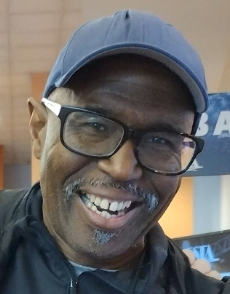
Event Producer | Production Manager | Live & Experiential Marketing Leader
Malcolm Weldon is a veteran event producer and production manager with more than 30 years of experience delivering stadium tours, festivals, residencies, and globally broadcast live events for some of the biggest artists in the world. A 23rd Annual Parnelli Awards Lifetime Achievement Honoree, Malcolm is widely respected not only for his production leadership, but for his humility—often insisting he’s “just an old guy with new knees pushing boxes.”
Malcolm’s passion for live production began the night he saw Earth, Wind & Fire in concert. Inspired, he attended sound engineering school in the early 1980s and—with a little help from his grandmother—landed a pivotal role as House Sound Engineer at the Beverly Theater in Los Angeles. From 1982 to 1988, he mixed live performances for artists including Miles Davis, Simple Minds, R.E.M., and George Clinton—an experience that became the foundation for a remarkable touring career.
He went on to stage-manage major festivals and stadium tours, including the MTV stadium tour with Paula Abdul, before stepping into full-scale production leadership. Over the decades, Malcolm has served as Production Manager for global, brand-defining tours including Beyoncé’s Formation Tour and Cowboy Carter Tour, P!nk’s Beautiful Trauma and Summer Carnival tours, as well as world tours for Janet Jackson, Lionel Richie, Sade, Cher, Tina Turner, Bad Bunny, The Eagles, Coldplay, Pearl Jam, Prince, Bette Midler, Stevie Nicks, Whitney Houston, Mariah… Read More