
 Apple Podcasts

 Spotify

 YouTube
#334 - Howard Ungerleider - The legacy of Rush - Howard’s Journey

In this engaging conversation, Howard Ungerleider, a legendary figure in live production, shares his journey from a young tour manager to the man behind the lights for Rush. He discusses the evolution of lighting design, the impact of technology, and the influence of EDM on the industry. Howard reflects on his experiences touring with Rush, the importance of creativity in lighting, and the dynamics of the music industry. His insights provide a unique perspective on the legacy of Rush and the future of live production. In this engaging conversation, Howard Ungerleider shares insights into the evolution of Rush, the challenges of tour management, and the advancements in lighting and sound technology. He reflects on the legacy of Neil Peart and discusses the excitement surrounding the upcoming Rush tour, including the introduction of a new drummer and the dynamics of ticket pricing in the current market. Howard emphasizes the strong bond within the band and the anticipation of a new era for Rush.
This Episode is brought to you by Elation and Main Light
0:00 When the president saw these initials, he's like, who the Hell's initials are these? And they went, oh, it's the kid in the mail room. And then I got called into the office and I yelled at actually by the guy. He said, you know, you know, you know what it takes to be an agent. You don't even have any experience. And you brought this show in. How did you even know about this show? So you were yelling at everybody in the Tuesday meeting, and I was taking care of some mail, and I overheard you. So I figured I'd help you out. So from that point on, it was just a steady rise. This company was called the ATI, American Talent International, the owner, and all of a sudden we were one of the biggest agencies in North America.
0:41 They actually took on Rush. You know, when I'm recording these podcasts, every once in a while there's one that you kind of circle on the calendar and really look forward to and for multiple reasons. First of all, this gentleman's a good friend of mine for many, many years now.
1:29 I think he's an extremely talented designer, but he's also a really funny and great guy and I just love spending time with him both on the podcast and in person. So today on Geese of Gear, we're talking with a true legend of live production, Howard Ungerleider, the man behind the lights for Rush for over 40 years, from their very first tour in 1974 to massive world stages, Howard helped define what a rock show could look and feel like, blending music, technology and pure imagination. And with Rush announcing a return to the road next year with their 50 something tour, we're diving into the stories, the innovation and the magic that shaped one of rock's most iconic life experiences.
2:17 So please join me in welcome Mr. Howard Ungerleider. Howard, how are you today? Marcel, I am fine. How about you? I'm friggin fantastic. It's awesome. It's another day. I feel like we just did this but. You know this is Groundhog Day, buddy. This is Groundhog Day, so just so everyone else knows what we're talking about, we tried doing this yesterday and one or both of us had some sort of a weird Internet problem and we just kept disappearing from the screen and all kinds of fun things happening. So we just decided let's try another day and show you. Here we are on Day 2 of recording Howard's fabulous podcast.
3:00 So, Howard, first I must ask you, you live downtown Toronto, right? Yeah, I live right on the lake now, Tom. So you got to experience this whole mayhem of the World Series over the past couple. Years World Series. Yeah, I I'm sure it was pretty fun. Like, how far are you from the Skydome? About, I would say three blocks away. Wow, so people are walking by your house, you know, throwing drinks and. Dressed up. Don't forget it was Halloween also, so the combination of all the Blue Jays and the Halloween costumes. I can only imagine.
3:41 Yeah, I can only imagine. You know, I'm not a baseball fan, but all my friends who were either going to the games or, or certainly into it and all my family, you know, my, my sister's a huge baseball fan and stuff. And so I've been paying attention and I've been a bit patriotic, you know, like whenever it's Canada versus the US, even though I've spent more time in the US than Canada at this point in my life, I generally go for Canada, whether it's the Olympics or, you know, whatever it is. I usually other than politics gets a little weird but, but generally I'm I'm choosing Canada over the US in all sports and stuff. So I was definitely going for the Blue Jays, even though I didn't watch a minute of the series, but. I was, it was one of the backgrounds. It was.
4:27 It was the best World Series I've ever experienced, actually. And you're a fan, right? Oh yeah, I love, I love watching the Blue Jays, 100%. Yeah. I'm not a big sports guy, but I just love when it gets down to playoffs and World Series. Was that because of Getty? No, no, it's just just, you know, when I was really young and I was growing up in New York, my grandfather used to take me to the Polo Grounds. OK. You know, and that I don't know if you know what that is because you're not a baseball guy. It was one of the most iconic places where the Yankees first started playing before they built Yankee Stadium. Oh, really? Yeah, so he used to take me there and I got.
5:08 I was always interested in baseball. I actually played baseball in high school. Wow, yes, I mean, I, I grew up in Western Canada and it just wasn't a thing, you know, it was, it was never a thing. Like I remember, you know, my cousins and stuff from from Eastern Canada were all either Expos or, or Blue Jays fans. But I just, I was always a hockey guy. I I never got into baseball in my whole life and still not today, so, but yeah. Hockey is a religion here in Canada. It certainly is. It certainly is. And and you know, my team here in Florida, it's been fun because I get up to Canada end of May, beginning of June, I get to my house up there.
5:51 And of course, you know, the last two years it's been the US against Canada. And when it's my team in the US being the Florida Panthers and they're going against the team that I was always, you know, a big rival of because I'm a Flames fan, you know, so I couldn't go for the Oilers. There was just no way it was going to happen. So I got beat up pretty good the last two years because, you know, basically the, the series, the final series with Florida against Edmonton happened right as I got there both years. And so it was a lot of fun. It was, I'd go out with my Panthers hoodie on or T-shirts or whatever and it'd be like Panthers, you're in the wrong place for that.
6:32 And I'm like. No drinks. No drinks for you, buddy. Yeah, yeah, it's funny, but I took a lot of shit though. Even just going out for walks during the day and stuff, people would be like, you're wearing the wrong shirt there, buddy, Which is funny because I mean anything South of like red beer. You didn't used to mention the Oilers. Like they just were not a thing. Everyone hated them, right? Except for people in Edmonton and but I guess Canada being as patriotic as it is an anti American and stuff right now. Like they all jumped on board with with the Oilers. Something very anti American. They just they're not liking what they're seeing, but they're not. Yeah, well, I just shortened it a little without getting into all the details that, you know, the anti American thing. I don't think, no, I, I mean, I certainly don't get that feeling when I'm up there and people know that I live in the United States or whatever.
7:26 But yeah, I mean, there's certain, I think it's more anti Trump than it is anti American. Obviously there's a lot of people up there that don't like him, except in Alberta. In Alberta, he's pretty popular, but he's very. Popular in Alberta. Yeah, yeah, 'cause Alberta's quite conservative. I stay away from all those politics. I try to, yeah, I try to. It's, you know, I live in Florida, so it's, it's a little tough to, you know, stay away from politics, I guess. But I mean, you know, with our industry, as passionate as it is and everything, I, I don't like to get into any of that stuff. It, it doesn't matter to me. I'm not going to choose friends based on politics or customers based on politics.
8:10 It's just not how I operate. So yeah, it was actually never really a thing for me. So the other thing I wanted to, to talk about a little bit is I know for the last few years anyways, you've been pretty focused on another four letter band tool and they're, I think they're a client of your, your business, right, your laser companies. Oh, we have a company. I have a partner myself. We have a company called Production Design International and we do lasers. We're basically a laser company and we've done acts like Foo Fighters. We do stools since 2006. And you know, we do Dan's like DJs like Kygo and some, we do the Valve Festival up here.
9:04 We do a lot and a lot of motion pictures. So they know. The company's been around since 1994, so it's about 32 years now. That's crazy. You know, so many people, I think, think of you as just a lighting designer, right? And and you've been a production manager and you've been so many different things in touring. But also, you know, you've had this laser company like you were doing lasers. I remember before lasers were cool, you know, back when it was weird guys in lab coats that did lasers, you know? Yeah, well, you know something. Speaking of the weird guys in lab coats, I did, I was tour managing for a friend of mine, Blue Oyster Coal, and they had a laser and they had a guy named Doctor David Alfonte out there. And he had one of the old, you know, the old school lasers that we we all own at one point in time where it was, you know, water and power joining together into the power supply because you had a water cooled.
10:08 What could go wrong? Yeah. I mean, you know, you had to be an electrician and a plumber back then and you had to carry like 600 lbs of equipment. Cases that would weigh like 600 lbs would be forklifts to get move it. You know, it's kind of a it's kind of the beginning of the laser revolution. And there were companies out there like laser Media, you know, and it was just, it was pretty fantastic back then, a lot of work. Now it has been revolutionized to the point where it's like you can plug it into a wall outlet. Yeah, they're just, they're self-contained boxes and even the software has gotten much better and the control systems and everything have gotten better.
10:50 The scanning devices have gotten better, all of it, just like moving lights and anything else, right? Technology advances. Yeah. So now I'm I'm, I'm known as a leisure salesman now it's like. That's funny. It's kind of funny. People go do you do lights? Well, we don't want you doing lights. You're a laser guy. We'll get our own lighting guy. That's funny. That's fun. Hey, no problem. I'll just sit over here and smoke a cigar and do lasers then. How's that? Yeah. But I remember, I remember doing an interview with a, a local, you know, a Canadian band up here and they said, well, who have you done before for lighting? And I said, well, you know, I've done rushed in their whole career.
11:33 And they went, oh, somebody, can you tell me something that you've done that's new? And he's like, he's crazy, really. And he's like, yeah, he goes anybody contemporary, you know, had you done anything with, you know, tragically hit at the time? And I went, yeah, I actually have done some stuff with tragically. Yeah. I said well, yeah, we're looking for a much younger person to do lighting. Oh my goodness. And I'm like, well, OK, and then, you know, that's what you'll get. Yeah. Should I see you now or a little later? You know, that's that's wild. Have you done anyone, you know, younger than Russia? Like, I mean, I don't know, you know, who's more famous than Russia in Canada, maybe Justin Bieber or something, but not very many people are are bigger than Russia in Canada. So.
12:23 People would want a year right now. I mean, it's like it's, it's a whole new world, you know, since EDM has come into play. And I'm noticing a lot of the young lighting designers, that's all they really grew up knowing EDM shows. So while they're whoever they do, it just looks like a glorified EDM show. Kind of does, doesn't it? Like that is that is getting, you know, I don't want to bag on lighting designers or anything, but I find that whether it's a country show, a rock show, a pop show, so many of them are just completely, you know, ubiquitous. They look the same like. It's I mean, and the, and the creative lighting design, I mean, there's a lot of people still doing it that are that are out there. Like, I love Tobias Ryland and he's like, great, you know? Who's he work with?
13:12 I don't know him. No, he used to work with Roy Bennett for a long time. That's his own, who he is, yeah. Yeah, he has his own company now. He does the 1975 and a bunch of other acts and he's just really innovative and you know, and so is Roy for that matter. You know, the and push the envelope. You know, Mark Brickman is another one. Pushes the envelope and I love to push the envelope. What defines excellence? Is it found in form, function, or sheer strength? Perhaps it calls for more.
13:56 It's unconventional, searching beyond what can be seen. It moves with grace, intent and versatility. While others are content to remain unchanged, A true hero rejects the ordinary and embraces transformation. They ascend and become the paragon. Yeah, but yet some of those guys are are people who struggle to get work, you know, and and. We all struggle to get no, but it's. Weird. It like that to me is weird. Like if I was a young band going out, I'd want the guy that did Rush or Pink Floyd or you know, any of these iconic artists with hugely complicated shows and stuff. Like if you can do that, you can do my ACT for sure, right. So yeah, that's another weird thing about our business right now is, is there are so many talented, like incredibly talented, legendary sort of people who are just kind of being shelved right now.
15:04 And I don't see it happening as much in audio. Like you still see a lot of older front of house engineers out there, but less lighting people. And that's tragic, you know, because I'd still rather see Howard Ungerleider or or Cosmo Wilson or Peter Morris light a rock show then then, you know, Joey Smith, the guy that just, you know, came out of high school or whatever. And that's nothing against young designers. That'll earn your way up. You know, and those and, and, and those guys are worth mentioning because they're great, you know? Yeah, yeah, you. Know there's a There's a handful of great designers out there and even some young, like back to Winsky is a good designer.
15:46 You know, he's a young guy and he's great and there are a lot of great young guys. You just have to find them. Matt's going to love that. You just said that. He's going to like he's going to. He's a good guy, you know? Yeah, man, he's a good dude. You just say that because he's a hog guy though, don't you? No. Are you still a hog guy? Yeah, yeah, there's a reason. There's a reason for that. What is that? The reason is there's physical structure of the console like, you know, I'm, I've been on anime boards, you know, and I just don't like where the where they put the the hand rest up against those touch buttons. I'm a pretty hands on guy with the touch buttons and you know, I'd like to use an expansion wing and hog has expansion wings, which which are great and the the buttons on the hog.
16:37 I originally, you know, when was a high end product, I actually steered the process of getting those touch buttons because able was using those same touch buttons on their consoles and I used to have evil consoles prior to that. So I made the hog put in those same touch buttons. They had a little Click to it, but I find on the on the MAS, the buttons are very sensitive and they have the little dip in on the on the top and if you hover your hand over it, the lights will start flashing and wow, it's just yeah. It's funny, you know, like I, you guys are all very like creatures of habit in a sense. You guys being people who are running these consoles, lighting director folks, you know, when they went from the 2 to the three, like a lot of it was just syntax that people freaked out about.
17:30 You know, it was just like it was first you do this, then you do this. Oh well, on the new one, first you do this twice and then you do this. And you know when it's stuff that you just have muscle memory on and all of a sudden they've changed all of that. People rebelled against it for literally years like a Cove. It certainly didn't help either, but. Well, it's like, you know, now they have the now the consoles with this button does this, this, this and this, Adam, hundreds of other things, Yeah. Or you could have it over here and they can do the exact same thing as this button over here. Yeah, yeah. So there's so many variables, yeah, that you can use that. It's just it's what could be overwhelming to some people. Yeah. You know and you know I. Especially us, us older guys who don't don't like that much change all at once, you know, Don't make me relearn how to use my computer, you know?
18:20 Please listen I was invited once to fly the space shuttle simulator. I had the opportunity to go there and my copilot was John Young, one of the original Jesus pilots of the space shuttle. That's. Wild. You know, and I looked at, I looked in the, in the, in the shuttle, I was looking around at them thinking to myself, wow, all these buttons that are on here look like they've done in the 1950s or 60s aircraft. And I said I was, I was thinking this would be so high tech. You know, it's the space show, right? So I look, I look over John Young and I said, hey, is there any reason why all these controls look really old? And he looked at me and he said, yeah, there is a reason.
19:02 The reason is we know they work. That's true too. That's true too. They've had the test of time and that's what it was. So yeah, I'll, I'll use a hog because I know it works. Because it's comfortable. What I want to do on it? Yeah, well, it's like, you know, that pair of jeans too, that you just love, you know, they just feel right and, and you've worn them in perfectly and everything else. But have you moved to the new Hogs yet? Not yet. I'm I'm still on the floor. Yeah. Because I know it works. Yeah. Yeah, you know, and. Yeah, I get it, man, I get it. And you know, I, I don't know why the whole world went to MA 3 and MA 2 and all that stuff. I guess you know it, it does something for them that they thought other things didn't or whatever. You know, I have a theory in my head because you know now that Avo is owned by by Roby and.
20:02 You know, Avo is kind of the odd man out right now. Like as hard as they try and as big a manufacturer and powerful as Roby is, it's not easy to get people to use a different console. It's really, really hard. It's like an operating system on a computer. Try and convert Windows people to Mac or whatever. It's hard. It's very hard to do because you're making people again, change your entire habits how how you do things right. And I think most of the young generation, the console of choice when they were coming into, you know, their own, what was the grandma? Yeah. And you know, and they learned their their trade on that console.
20:45 So they'll always use that console. And it became a very popular console. Yeah, well, and, and you know, you on the other hand, and me, like I remember being at upstaging the first time I saw the Hog one, it was Nick Sholam getting ready for the Eagles and saw the him working out the Hog 1. And I'm like, what the hell is this thing? And I met Nils and, you know, it was really cool. And and then I remember seeing the Hog 2 shortly after and that just really revolutionized consoles. Like it just changed the whole industry. Like suddenly people could make money as programmers, you know, and and they were getting paid pretty well all of a sudden, right. And.
21:27 I think I've used almost every board that was out there. I even invented my own boards if you get it. I remember. Yeah, with C factor, right. Yeah, with C factor, Yeah, I had boards that had joysticks on it, pin matrixes, you know, chases to the pin matrixes. What was that C factor board called? Well, that's no. The one you're thinking of was the light coordinator, but I never used that. Oh, you didn't? I thought you were part of the person who designed that. No, I, I designed the earlier consoles before that actually before automation and I created these custom wood. They're still hanging on the wall at C factor. I remember first time I ever went through C factor with Bob and it was like 1991, maybe 92, and he was showing me those consoles and say, yeah, we built these things for Rush. And I was like, wow, you know, me being the Canadian bass player, singer guy, it was all in awe. I didn't know you yet.
22:31 And and so that was pretty exciting. Those were exciting times. You know, I mean, when I started doing rock, I just had turned 22, so I was, you know, fairly young. And before that I was an agent in New York. You know, I started as delivering teas and coffee. I don't think a lot of people know that story. I know you told it on my podcast before, and I was blown away by it. But yeah, you were an agent sitting in your office while you didn't have an office because you were delivering teas and coffees. Well, before, yeah, I was delivering teas and coffee and I was taking care of the mail. I was in the mailroom. Yeah.
23:12 You know, And then you know, they would have their Tuesday afternoon meetings or morning meetings, but all the agents would get yelled at by the presidents of the company because they didn't bring in enough of the the ACT work. But I overheard it one day when I went out and I secured a gig for Fleetwood Mac and turned in a contract to the contract department. And they said, where's your deposit on this? And I said, oh, it didn't get one. They said we're not turning this in till you get a deposit. Go back and tell them you want a certified check from at least half of this. I said from. Fleetwood Mac. Your Fleetwood Mac was a Fleetwood Mac package.
23:53 They had a band called Flash opening for them at the time. And so I put the package together and I got, I received the deposit from this. It was a university. And I put it in and they put my initials on it. And when the president saw these initials, he's like, who the Hell's initials are these? And they went, oh, it's the kid in the mailroom. And then I got called into the office and I yelled at actually by the guy. And he said, you know, you know, you know what it takes to be an agent. You don't even have any experience. And you brought this show in. How did you even know about this show? Said you were yelling at everybody in the Tuesday meeting. And I was taking care of some mail, and I overheard you. So I figured I'd help you out.
24:40 So from that point on, it was just a steady rise. Wow, that's amazing. How the hell did you get Fleetwood Mac? Like, how did that come together? It was one, it was one of their bands that they represented, you know, agents representing these sign acts to their to their company. And this company was called the ATI American Talent International, the owner. They had three partners in there, Jeff Franklin, guy named Saul Sapien and Ira Blocker. The three of them ran the company. But one day Franklin went to went to England and signed 60 bands and brought it back to him and all of a sudden we were one of the biggest agencies in North America.
25:23 Wow. They're the ones that actually took on Rush. And, you know, they said to me, I guess because I was probably the youngest guy there and they said get in my office, I want to want to talk to you and said, yeah, So he said, OK, I have an offer for you. And I said, I have two offers. And I said, what's that? He goes, you can get on a plane in a week, go up to Canada and work for a club band called Rush. And I said, what's the other one goes?
26:03 You're fired. You pick. Oh. Damn, yeah, those are good. Options. He was just just told I had to go up there, so I did. In hindsight, you made a pretty good choice. I didn't even know who the band was back then. Yeah, well, no one they. Hadn't even come out really they. Yeah, no one did. I had one album and I guess it was played at WMMS in Cleveland who broke Rush by Donna Halpern, who was the the person there at the time that was spinning the. Program. Director. Yeah, program director. And the rest was history. Cliff Bernstein was at Mercury Records, heard it, loved it, and she put Cliff together to sign Rush to Mercury Records in 74.
26:50 And that's what I I was injected into it in July of 74. And there was no Internet or anything, so it's not like you could just go out and do research. Who are these guys in Russia or whatever. So no, you just walked in completely blind, right? And not only was there no Internet, there was no drummer, because John and John Rutsey, their original drummer, had left the band. Yeah, and they were auditioning drummers, right? Right. And So what were you being sent there to do? Just babysit. Tour Manage. Get. Them ready to tour because they had been they were playing club circuits across Canada so they really hadn't had any professional touring and I had a bunch of professional touring, you know working for the agency and they would send me all over the place make collecting money from promoters and you know didn't pay the time it's.
27:45 Funny. Oh no, it was a really good experience. Nice experience. So today's episode is brought to you by Main Light, a trusted name in dry, higher lighting and stage equipment rentals. Whether you're lighting a theater show, producing a major concert, or building out a broadcast set, Main Light delivers the gear you need to make your vision a reality. They offer a massive inventory of the latest moving lights, control consoles, Truss LED fixtures, and durable IP65 rated gear that's perfect for both indoor and outdoor environments. From small scale productions to massive stadium tours, Main Light is known across the industry as the partner you trust with the gear you want. But that's not all.
28:33 Main Light also offer new equipment, sales from your favorite brands and used gear pulled direct from their rental fleet. Every used item is rigorously maintained and backed by a 60 day depot warranty, giving you confidence and value in every purchase. With three strategically located facilities in Teterboro, NJ, Wilmington, DE and Las Vegas, NV, you get nationwide access and the responsiveness of a local provider. Explore their rental inventory, request a custom coat quote or browse their sales offerings online today at mainlight.com. Yeah. Tell me what it was like when you got there and you, you meet these guys and they weren't wearing like, silk kimonos yet or anything.
29:18 They were. But they were, they were weird. They were weird. They were different. They were, they were electric, that's for sure. And, you know, the we got along very well, accepted the fact that they had this thing about Americans thinking everything is great. They would they referred to me as our our token yank. And they said, you know, because one time I was up here and and when I first met Raj and Getty was living on Yonge St. north of the city in Willowdale and used to tell me if you want a good pizza, it's right down the street. It's called pizza pizza.
30:02 And I went really? And he goes, yeah, that's really good. So I go there and it was like, really not my favorite. It was actually quite awful. Well, you're coming from New York too, right? I'm. Coming from the yeah where they make real pizza. Yeah, yeah. So I went back and I said, man, this pizza is not close to what we have down in New York. Oh are you fucking Yanks and blah blah blah. That's. Hilarious. Think everything is better down there? I said, when you get down there, I'll, I will turn you on to the pizza that you'll enjoy. You know, so I was like, you're sort of scout leader. He was, I grew up my my dad was a drill Sergeant, you know, and I used to get drilled to bed and my dad was in always had this heavy duty to instill honor, loyalty, you know, dedication, you know, work ethic. And it was drilled into me quite heavily. So I just looked at this whole thing as a sort of like a military installation.
31:09 And we're just going to go out. We're going to do 200 cities a year and I'll take charge and make sure everything happens. And it was quite units along the way. Yeah, that's hilarious. So when when did the when did your nickname come about Hearns? That was a very, you know, I try to tell someone the story, but I guess you have to be really old and a geezer to understand it. Because when I tell the story to people. I just had an interview with the Toronto Star and that same question came up from the interviewer. And as I'm speaking with him, he didn't know what I was referring to when I was mentioning certain TV shows and certain actors like Dudley Moore and, you know, the Goon shows. And I was mentioning all these things that were happening in England.
32:00 And he had no clue. So I said to him, like, just excuse me for a minute. Can I ask you how old you are? And you want 25? I said well that explains. It that's. Why you don't know this? Well, what happened was there, there's a musician who's out there who was quite phenomenal named Ryan Auger, the Jazz B3 player. And he was with them in the early 70s, well 60s and 70s. He was with a woman named Julie Driscoll and they wrote a song called Season of the Witch. It was a big hit. But Brian is jazz V3 player, incredible. And he's actually the one who taught Keith Anderson how to play B3.
32:42 Oh jeez. And I was the tour manager for Brian Auger prior to Rush, and Brian would watch this show called the Goon Shows with Douglas Moore back in Newland. And they had a character called Sergeant Hearns that would bark out orders to people. So he would call me Hearns because I was always barking water orders. Like you got to wake up at 4:00 in the morning so we can make this. You can get in the van and leave in the next city so we can make it on time and you know, things like that. So that name came from him, not from Rush. Right. But one day, the agency put him on as an opening act for Rush. When I was in the dressing room with Getty. That's weird. He.
33:23 Poked his head in and he won. Hearns, how you doing? And then Getty and Alex went, what did he just call you? Yeah. And I went, oh, here we go. Yeah. And that name just stuck after that. Forever, forever. Do they still call you that or do they call you? Yeah, they still call you. Emails. Yeah, I get emails. It's OK. I call Getty Dirk. So it's like. You call him Dirk. But yeah, we have nicknames every. Everybody has like 10 different names. That's funny. Oh yeah, we call each other different names also. Where's Dirk come from? Forget. That's Neil appeared. Called Dirk.
34:03 OK, yeah. And was Neil called anything other than the professor? Tratt. I knew that. I actually knew that. And then Alex was called Lurks. Yeah, I knew that one too. I made that one up and. Where did that come from? I came from some friends that I used to have that used to always end everything with an XSD at the end of whatever word they said and so on. I would just call him that. Just everything caught catches on. He just seemed like alert. Yeah, so, you know, growing like, you know, I grew up in cars, vans, motorhomes and buses with these guys for the month my most of my life.
34:45 Yeah, it really is incredible, you know that that's it. It's really, I know you don't think much of that because it was your whole life, right? Like, so you watch them grow up, you watch them get big, you watch them get huge from there, and then you kind of watch them, you know, you watched all of the different stages of it first hand. You were sitting right there. So it doesn't probably faze you so much until some fanboy like me comes along and goes. But what was he like, you know, or whatever, right? Like, 'cause I grew up on the other side of all of this, growing up in in Alberta, a bass player and singer, You know what, what choice did I have but to become a huge Rush fan, right? Like right at that time by the way too, you know, and. We're a hockey player, one of the two, you know? I I sucked at sports, so I wasn't the greatest musician in the world either.
35:39 But but, you know, I bought Taurus pedals and and a keyboard that went and I had to learn that whole way. Dear, dear. And, you know, I never played in a Rush tribute band because I just probably wasn't good enough. But. And plus, there weren't really many back then. Like there was Clique and and I didn't know of any other ones in in Western Canada at the time. Now they're a dime a dozen. They're everywhere and they're really good. Like, there are some. Yeah. I just saw one yesterday. I think I'd seen them before. They wear like, coveralls, orange coveralls, like Devo. Oh. Yeah, well, you know, they what they were doing. They're wearing the coveralls from the moving pictures. I never even put that together.
36:28 That's hilarious. Wow, that's. Why they wear the coveralls? Because of, Yeah. But you know, the long point is that you lived all of that stuff with those guys, which is which is so cool. And I'm sure going through it, it was just a job and all that stuff. But. No, they were like brothers, you know, it was like having, you know, three brothers to hang with. Everybody would always cut each other off. They needed a, you know, make sarcastic comments to each other. And I can't imagine that from you well. Me. Well, you've got quite a sense of humor and stuff, so I I can imagine that you were right in there with them on that stuff. We're all in there. You know, we used to drive around in the rental cars, and we had this fluorescent light that was in the backseat so Neil could read while we were driving down the road for 500 miles. And everybody would be getting out of their minds on the way, you know?
37:22 And. Yeah. Except you, because you were driving, of course. I'm responsible. I'm not in my mind anyway, so you're. You're responsible for a lot of things. Like I remember when I watched the the, what was it called? All the World's a stage or whatever the the documentary. Yeah. And you know you. Were a couple. You kept appearing in there and it's amazing how big a part of the story you really were, you know, and are I should say, but I, I remember either reading or seeing on that show or something that you're the one who who taught them that they could get bottles of booze on their on their rider.
38:05 Oh yeah. They could get, they could order bottles of whatever they wanted to their dressing room and they were like, really? And then they started playing. Bombed every night. They were, they actually very, very focused on playing. They didn't get out of their minds when they were playing. It was after the shows, you know, after, after the shows. We had a good time, you know, unless I was driving and then I wouldn't drink at all. But there'll be other things that we do. Yeah, yeah, to stay away. He didn't have gummies back. Yeah, thank God because I would have just sat around eating gummies all day. You know, it's like when I go to Canada now, the whole micro dosing thing is, is legal up there. And you know, I hadn't done mushrooms since I was probably 19 years old or something.
38:55 And somebody goes, have you tried micro dosing? Let me give you a few of these. And, and they're like these nice little capsules and a nice little proper, you know, pharmaceutical bottle and stuff. And I tried it and I mean, it was the most clarity I'd seen in in years probably. And it doesn't get you high or anything. It's just like. Whoa. Am I ever thinking great ideas right now, you know? I don't know where, I don't know where you'd get yours, but my nephew gave me some that were quite intense. Oh, these weren't intense. These these are microbes. So they're like, you know, I think like 2/10 of a gram or something like that. You know, they're not, you know, whereas we grew up like the, the garbage bags from under all the cow shit and stuff, you know, and you'd just take a handful.
39:48 I grew up in the in the acid generation where. We would, yeah. Ridiculous trips for 8 hours to 10 hours and sometimes longer and it was that I would not do now. But isn't it crazy, though, that all these health guys are talking about that, you know, talking about how hallucinogenics are really good for you, you know, and can solve a lot of problems, you know, with depression and anger and whatever else, you know? Well, my old doctor, Doctor Timothy Leary, once told me that. These are good for you. Take it. I remember when when Timothy Leary and for all you kids out there, father of LSD, but Timothy Leary was at an LDI one year and he delivered a keynote speech. I remember that, that whole high end thing. It was in.
40:43 It was in Reno. I remember it well, yeah. And you started it off by going to the microphone and repeating three times. Your eyes are the gateway to your brain. Your eyes are the gateway to your brain. Everybody been sitting there going right on tinning. I remember that so well that that's hilarious. That was. I'm sure Lowell was behind all of that. I'm sure he was. Yeah, yeah, those guys. I actually had a conversation with Bellevue the other day. He's oh. Yeah, How was Richard doing? He's awesome. He's the same frickin Richard. He's almost 70 now, but he's the same guy.
41:24 You know, he's all tatted up and got all the cars and stuff and dating crazy women and yeah, he. Picked me up in a police car one day. Oh, did he really? A black unmarked police car and I. Still got it. He still got. It I know it's all it's all like fixed up. It's got aircraft landing lights. He. Leaves it in his driveway 'cause he said people don't fuck with me when I got this thing in my driveway. He told me. Because when I drive from Austin to Dallas, everybody moves out of my way. Yeah, that's hilarious. That's hilarious. I said, what are you doing with that thing? And he goes, it protects my house. I just leave it in the driveway and it protects my house. Yeah, he's as crazy as ever.
42:04 But that guy's a genius. Like he's he's. Brilliant. One of the people I have nothing but time for and just a huge amount of respect for. And he's always sort of been sort of kicked in the corner as a, as a nut job or something. Like even at high end, you know, I, when they were sort of on their way down a little bit, like before they sold to Barco, sort of at my last moments there, there were people kind of pushing to get him out of the company. And the former CEO went, came to me and, and said, you know, what do you think? Are you on board with this? And I said hell no, you know, take my resignation now because, you know, turn off the lights if that guy leaves the company, you know?
42:49 I mean, you know, that's why Hyann had such crazy fixtures all the time. Of course. And he owned the patents on all, yeah. Well, not even just the designs, but just the passion behind making sure stuff worked. Like, to a point where it was annoying to be in the company because he'd shut down production lines because somebody like Howard out on the Rush show found a problem with a Cyberlite and he'd stop all the production of Cyberlites until they figured out what this problem was like, just completely stop it and. You know, dedication and passion. Commitment, passion, yeah, all of those things. And I love that guy. I still do today like he, he was I, I have the whole conversation started is I got an ETC marketing blurb about their two new fixtures.
43:40 And God help me, I forget what they're called, but they, they have two new wash lights that look really cool. It's got like a, a Fresnel lens that's broken into like maybe 5 or 7 sort of pie pieces and they can all move independently. And it's got this crazy zoom and stuff and really, really cool looking fixture and really cool output. Very bright. And so I had texted him and said, hey, I just saw the video on these new fixtures. Amazing. And so he calls me right away. Well, what do you think? What do you like about him? What what do you not like about him? You know, he's always, he's always enjoyed my input because I'd I'd never, I wouldn't bullshit him and tell him, you know, like when the nebula came out, I said, Richard, this thing's a turd. Like, what are you doing, man?
44:26 This thing's garbage. You know, it's spewing flaming oil all over people's fixtures and stuff. It's not going to work. But you know, he's he's, he's just in my. I like guys like that. I like passionate geniuses like that. Yeah, they're committed, right? Yeah. And they're not just building something into a box that says this thing's going to be $2000 and we're going to make 61% profit margins on it. He don't care about any of that stuff. Is it cool? You know, does it serve a purpose? Is it cool? And is it going to, are my customers going to like it? Like, that's what's important to him, you know? Yeah, I like that. So back-to-back to Rush. So, you know, I happen to love that story where you're you're sitting in an agency in New York and they're like, hey, go, go hang out with these crazy kids.
45:18 And, you know, you literally, like I said, you watch them grow up. You grew up around them. You know, you were part of their their gang. And it just never stopped for practically 50 years, right? I know, I mean, who, who would have thunk? You know, I like, I was getting grief from my dad when I left to go up to Canada. You're going to a communist country, you know, and they're going to take everything away. I'm like. That's so funny. You know, as the military got home, so. Yeah. Communist country, I said. You know it's the best communist country you can live in. Yeah. And so when did you actually take up residence there? Was it right away? I slept on couches for a while when I first got there.
46:01 You know, I walked into the rush office and demanded 10 grand as a float. And they did. They almost dropped to the floor because they didn't have any money, you know, like. That's all the money in the world you want. You want how much? And he's like, who's this guy that just came in here? And, you know, there was the accountant who was also the receptionist back then was Sheila Posner, who still, you know, with Anthem to this day. Really. And yeah, well, it's not called Anthem. It's that so low. And, and basically she said she was very nice. She just said, have a seat over here on the couch and I'll be right back.
46:45 And she went into the manager's office and went, there's some guy here from New York that wants 10 grand. Now what do I tell him and he wants me to tell? Held up or something and. He wants to know where he's staying. And he's like, where is he from? I said the agency in New York. And they went, oh, now the agency told me that they were no longer going to pay me and I'd have to get my own deal with Rough, which was. So that was a whole other ball of laughs. So once I met the band, you know, and well, the management basically didn't know what to do with me. So they said, well, we, you know, we can't afford a hotel, maybe you should come and hang in my house or something.
47:29 I had two managers back then. So Victoria Wilson, one of the managers and said, come you, I have a, a place you can stay at my house. Well, none of them lived in downtown Toronto. They lived outskirts and the management office was just like in a place called Thornhill. And I thought for the whole time I was there for about a month and 1/2, I never saw downtown Toronto, but I thought that Thornhill and Richmond Hill and all these places that I was traveling into was Toronto. And I'm thinking, wow, what a small place this is. And, you know, I'm coming from New York City and I'm going. Yeah, no kidding. Like it was like Mayberry, you know, I'm sure no one knows what Mayberry. Yeah, well, it's ATV show.
48:16 There's a little small town, a lot of like farmer type people and that's anti making pies. You know, that's what, that's what it reminded me of anyway. It was until maybe 3 months in where I actually discovered, oh that's Toronto, why am I not down there? So then eventually I went from house to house sleeping well in Victoria Wilson's house. I had to sleep down with the Saint Bernard they were making food for the sink from it smelled like the Meadowlands. Secaucus, NJ was just horrible and. That's funny. Yeah, there's a burned garbage there. But why were you there?
49:00 Like they're not touring so they don't need a tour manager at this point. They were about to tour. OK. The the agency signed them. They wanted me to be the tour manager. They wanted me to make sure they like them in New York, so they sent me there as like an ambassador to ATI, even though they were telling me that the van is going to hang me and. Were you around when they were doing the The Drummer auditions? I I wasn't at the auditions, but I was around. Even though Getty will argue with me about this, but one of their managers confirmed no, no, you were here during the auditions. You just weren't at the auditions. Oh.
49:43 Right. So you were in Toronto and but. I was in Toronto because I'm. In studio or whatever. Coordinating with the agency dates that they were proposing first tour, we were going out, it was going to be with you right and deep. But they wanted them to play some isolated dates. But they they played a couple of days before I was even on it in the States and some drive in theater in Michigan. They played some club in I think maybe the Agora in Cleveland before I was there. So anything. And anyway, this all was coming together. They had their record deal signed and they had, you know, your management was ready to go with the agency in New York. And I was just there to coordinate all these things so. And they were touring the the first album, right? Definitely.
50:33 Yeah. So so then they find they find Neil, they find Neil. Oh, they found Neil and they were like blown away and you know. Well, and then they started writing more complicated music after that. And I don't know if that had to do with the fact that he was like the sort of third component that maybe they didn't have with, what was his name, Rutzy, right? John Rutzy. Yeah. Oh, they Rutzy filled his his purpose in that band. Yeah. Neil changed the direction of the band. Yeah, because again. And now we're they they love progressive music. Yeah. So that just fed into, you know, what they love.
51:15 I mean, we all love The Who that was unanimous. And you know, we all love, yes, we all love Genesis, you know. Yeah. It's like that were out there at the time that that were very progressive. Yeah, And I read, I read in Getty's book about the whole relationship with Rutsi on how he wanted, you know, simpler music that girls would like and stuff, you know, and which makes a lot of sense. You know, in hindsight, he looks like an idiot. But, you know, at the time, you could see that making some sense. You know, like, look at all these bands playing normal music and they're getting lots of fans.
51:57 But he had an underlying diabetes issue. Yeah. He didn't want to go on tour. He was afraid that he would. You know, something would happen. Yeah. So I mean, something happened anyway and he wanted to. So yeah, unfortunately, you know, true. I mean, you know, Rush has been through 2 drummers and now 3. Yeah, yeah, I want. To. I want to talk about that obviously, but so still sticking back in the days then. So you go out on tour with Uriah. He you're their tour manager. You're figuring out at the time, aren't you, how to be a tour manager, or you had already done it before. Well, I had done it with Blue ��yster Cult.
52:38 I had to fill in for a couple guys that were there and I did. So you know what the gig was. So I knew what the gig was. Did I have a lot of experience at it? Well, I didn't fry and Auger before I did rush. I did Blue ��yster Cult before I did rush. I went out to settle shows. So I knew about accounting, how the deals were constructed back then before this Live Nation 360 came out, which is Canadian driven as well. So you know, it was a learning experience for all of us and I just had a little bit more experience.
53:20 It's going all makes mistakes. But it's funny because when you go back to the 70s, whether it's lighting or sound or just touring in general, the business was still shaping like it was it. Was it? Was it was being? Created. Yeah, it was. I mean, guys building their own sound systems and, you know, Roth with his square park hands and you know, like everything was just being created. It was just being, you know, it was starting to happen. And so the stories are just incredible always. You know, it's not like there was this group of people who really knew what they were doing and nobody else did. No, nobody knew what they were doing, you know.
54:01 Yeah, I mean, like Michael Tate was putting lighting fixtures in coffee cans, you know, back in the beginning. I mean, people were doing what we had to do. I've I discovered to a friend of mine sitting pace enough, a marine beacon light, which is an ACL basically, and I put it in a park can for the first time and basically, you know, rented it out, you know, through another lighting company in Virginia and Little Feat was the first band to use them and after that I put them on run. Wow, that's cool. Yeah, those are back in the days of a company called Atlantis Lighting in Virginia. Yeah, you know, I forgot to mention this, but you were talking about Blue ��yster Cult and you going out and doing lasers with Blue ��yster Cult.
54:45 I don't. Know if it's do I didn't do. Or they were doing lasers. You were talking. About the guy who did? Yeah, but I remember somebody gave me a Blue ��yster Cult ticket and like right on the ticket, and I don't know how I was probably 14 or something. So this had to be like 70. It was probably somewhere between 75 and 78. And I remember right on the ticket it said something about like, come see the spectacular laser show or whatever, right? Like it was all about the lasers. And I was like, whoa, lasers. I don't even know what the hell a laser really was, but I was like, whoa, these guys have lasers.
55:25 And yeah, my mind was. Blown. They did. Not only do they have lasers, they have fiber optic effects. You know, a lot of the a lot of the lasers, we were using fiber optics back there and things were like remote scanners where you would take the fiber optic. And oh, I knew that, yeah. You collimated into a box that would have scanner in it. You would put it wherever you wanted it. Some laser too heavy to move. Yeah, that's wild. The whole laser technology, how far it's come now and the fact that, you know, people keep telling me like on some tours, it's bigger than lighting. Like there's more laser heads than there are lighting fixtures and. And so on some tours there are.
56:08 It's not as much of of a special effect now as it is just part of a lighting rig. You know it. Seems how it's used, Marcel, it's how it's used that makes it special. Yeah. So if you use it correctly as a special effect, it'll always be a special effect. Right. Well, unfortunately, once again, EDN has put in hundreds of lasers on the on the productions. So that is sort of where everybody leads. You know, the more lasers, the better it is, but not necessarily right. Sometimes, you know, the more creative energy is created around space and if you use that space wisely, which I like to do, is is where you get the special effects. Yeah, I had that conversation a couple weeks ago with Alan Branton on the podcast.
56:57 You know where it's, you know, he had a similar challenge where it's like now, because lights are so plentiful and they're all so good and they all do great things and they're all really reliable and stuff. People are using hundreds or thousands of them on every production and it really does end up where a lot of things look alike, you know, 'cause they're all just like blah, this just huge BLOB of, of automated lights. And you know, I don't know, like, I get that. I, I completely get that argument for sure. Like some, I think some bands or performers or whatever just look really good with just a bunch of follow spots or something, you know, like just just light.
57:39 You had to do that once. You know, I did a show in Rochester, NY, and when I called the house lights to black, somebody threw a big gulf in the air and came down on my lighting console and drenched the lighting. Yeah both lighting console and shorted it out where I had zero lighting and I had to do the whole show with some follow spots. The whole show. The whole show. Oh my God, Rush. Everything. Yeah, everything's wrong. And then at the end of the night, the van came to me, but it wasn't a little dark on stage. But I said yeah, so someone threw the drink up in the air and landed my lighting console and shorted out both boards back up and the meeting board. When was this?
58:19 How long ago was this? Oh it. Was early 80s. Yeah, wow. It was like it was bad. Yeah, it was bad. Well, it'd be worse now. It'd be more freaky now if if you had to do that. Well, by the way, you know, the follow spots would be out too, because they're in the rig and they're they're, you know, lighting fixtures. So yeah, you're using all automated follow spots now, right? Yeah, I am. I think everyone does now. Is there any such thing as trust spots anymore? Well, people, I'm told that the, the locals, you know, the, the local Ayatsu that really don't like going up there anymore. And there's not a lot of guys that want to climb. The older guys that the only ones that really knew how to do it and could run it and young kids, they, they're not interested in climbing up into a Truss. Yeah, which is great, unless they're thinking to be the open. Company and they're forced to do it. Yeah, You think it'd be the opposite of that? Like, you know, I know if you if you took my kid who's 21 and pointed at the Truss and go, can you climb up there and go move a a follow spot for this band and you'd be like, hell yeah, point me, where do I go?
59:36 Yeah, but you have to know what you're doing. You just can't get in there. That part he hasn't got, but yeah. He'd. Certainly climb the thing with a passion, you know, Wait, wait till, wait till you see him again because he's like, he towers over me. He's 65 I think now and like 210 lbs He's huge. That's amazing. Yeah, and last time you saw him, I think he was probably 2 feet tall. He was drinking milk and eating goldfish in the bus. Which again, is a funny story unto itself, 'cause you're like, hey, do you want anything, kid? And he goes, yeah, you got any goldfish? And you're like, well, as a matter of fact, I do. And I'm like, OK, I'm a little worried about this.
1:00:16 Howard, why the hell do you have goldfish in your bus? And chocolate milk, you know. That's right, Yeah. It's got everything there. Anything anybody wanted, we have it. Yeah, yeah, that's awesome. So you know, you've been doing tool, you've been staying busy because I talk to you all the time. And then all of a sudden, at some point, I assume you get a call or an e-mail or a text or something from from Getty or, or Al or whoever saying, hey, we got this crazy idea. That's not what they said, but they said I got an e-mail from Getty and he went, hey, can you come to my house on Thursday at 1:00 PM? Yeah.
1:01:02 And I said, yeah, sure. What's up? He goes. You'll you'll see. Yeah. You know, and I knew that they were sort of like, you know, I talked to Al a lot. Yeah. So Alex, Alex told me that they that they would, he would go over to Ged's house and they'd be jamming all the time in, in in the studio in Getty's little studio there. And you didn't say much about anything other than he, he has another project called Envy of None, that he had another album that he was, you know, recording. And so I knew that he was actively doing that. And Paul McCartney got Getty and Alex all fired up at the Taylor Hawkins tribute.
1:01:50 When, you know, I was talking to Alex about how come you're not playing anymore. You sort of wound them up to the point where Alex was thinking about it. As as Sir Paul can do. As Sir Paul can do. When a Beatle tells you get off your ass and start playing, what are you going to do Right and. You didn't want to hear about it. And, you know, and Paul said, actually, I think one of the comments was Paul sits with, you know why you should be doing this? And Alex went why? He says. Because that's what we do. He's got a good point. And that was it. And then I guess the next year it was all in his head, you know? Yeah, it was having some little bit of medical issues happening, but he sort of got around all of that and just got himself way and more healthy now and then. I guess they decided to put this together. So we all had a for the first time ever in the history of rough, we all had to sign MDA.
1:02:47 So keep it quiet. Wow, keep it quiet for like, you know, months. Oh, so you knew earlier, obviously, then this all got announced? Yeah. Yeah, well, I had to be sitting through meetings with them. Sworn in. Sworn in. You know what though, I do love the fact that at least it appears that they wouldn't do it without you. You know, like to me, you're part of their family and you know, it would have been sad if, if it went any other way than that. Like obviously I'd, I'd probably, I wouldn't boycott them or anything, but I wouldn't be very happy if they didn't treat you well going back out on this thing.
1:03:29 They have always treated me well so. Yeah, yeah. And then and Getty. Canadian Canadians are nice. Yeah, I mean, Getty actually said it when I when I when I won the the visionary ward in 2014 at LDR, he just said that, you know, he can't imagine doing it without Howard. So that's cool. Just wherever we are, it'll be like I did the Taylor Hawkins thing with him, but I didn't know about it that. Was Grohl right? Grohl was the drummer. That was date. Well, no. There were three drummers. There was Omar Arkin to do, to do YYZ or YYZ and then they had Chad Smith, yeah, at one point doing 2112 and they, no, Chad Smith was doing. 2112 was working. Working bad 2112 was growl.
1:04:25 Yeah, well, Chad Smith was working that which was. Such AI couldn't believe Growl doing 2112. He wouldn't have been, you know what I mean? Like he's not, well, what I would call a technical drummer. He's a bastion. He was good. He was, he was good. And the the thing was that role was the MC of that show that went on for like 5 hours. Yeah, he was the MC of that show. He was drumming with various bands. I mean, this guy was like, he was up there, he's a machine and he was instrumental in getting the two guys and Rush over there. Wow, you know, I mean, Taylor Hawkins was a huge Rush fan. So was Growl.
1:05:07 Yeah. You know, I met Dave many times before I you know, we were hired by Dan Hadley to do lasers for Foo Fighters on the Concrete and Gold Tour. Wow, yeah. And we did the the Taylor Hawkins tribute to. Taylor Hawkins was such a talented guy. Like talk about a guy who would have been a great replacement, you know, for Neil, like because he could sing the high parts too you. Know well it was not. It was Neil's hard to replace. Yeah, of course. I I think Taylor would have a hard time replacing Neil. Any of the guys in Rush are hard to replace, Like how do you replace one of those three guys you know, like. Yeah, it's hard, but you know.
1:05:49 Plus Neil. Neil did all the writing right? Like he did all the lyrics. Yeah, he was the nurses. I know it was. It's incredible. Yeah, yeah, but they have a huge catalog now, so it's. So, so you go over there for the meeting and. So I go there for the meeting and they it's. The. Usual players, you know, you know we have every time we do a rush to a recent town with Getty's brother Alan and his and his buddy. He's an award-winning video director, Dale, that's what. And then there's Alex, Likes in who comes and goes, but he's usually there. Myself again.
1:06:29 And then we start. Yeah. And. What does Kitty's brother do? He's a producer or video producer. Oh, OK. Thusly all the films and things. And yeah. And then Dale is a con. Dale is a conceptual video director, so he comes up with the stage sets washing. Machines and sausage makers and stuff. Well, yeah. Well, Getty comes up with a lot of that. So. And then we just make it happen and then we place it. And then we just talk about placement of things. The only thing we don't talk about really lighting because they don't want to deal with that. They want to deal without a show is going to look on stage. They.
1:07:15 Trust me with the they trust me with the lighting because of all these years and. So at this point, did they tell? Had they already picked a drummer? Yeah. She was already chosen. Not only was she chosen, but she was already rehearsing with them. Really. No. So she's been over in Canada rehearsing. Cool. On and off. Did you hear any of it? No. I'm dying to hear her because I've I didn't know who she was. Annika, right? I didn't. I didn't know who she was. And I've watched 100 videos. Yeah, with Jeff Beck. I missed that tour though. Before I even knew that she was going to be. But The thing is, Getty's bass tech, Scully, you know, John McIntosh?
1:08:00 Yeah, he was Jeff Beck's tech out on that tour. So Scully was the one that said to Getty, you should check out Anna at me in the audience sitting with my wife watching Jeff Beck. And there was a female bass player as well. That was. Awesome. She was also really. Good. I just kept saying to to my wife like this drummer is insane how good she is. And we walked out of there blown away. And you know, the fact that she's now in Rush is just amazing because. Really is cool. You know, for years Neil was taking drum lessons so he could learn how to hold the sticks correctly 'cause you don't remember. Seeing some of those videos with Buddy Rich and stuff like where he was learning how to.
1:08:46 Hold, you know, Freddy, he took lessons for Freddy Groover and just like, yeah, you know, I mean, he was, he was trying to learn how to hold sticks that way. That's why and. Here's Annika, who's, like, playing just like the way he wanted to play. Yeah, you know, and. She is so good. She has such a groove and all that stuff she does where she's playing three different songs between her two hands and her feet and like, just like one rhythm going over here and a different one over here and stuff. I'm just like, how does somebody do that? Like, that's just so hard to split your brain up like that, you know? And it really gets me upset when I hear this stuff on on Instagram, the ads for Rush and then call Neil's last name Pert, you know, and they say, I could not Niles wrong. You know, it's like, come on, get it right. At least you know Rush fans don't do it wrong. Yeah, Yeah.
1:09:42 Well, I always called him Neil Pert and until someone told me that, you know, that was wrong. But I didn't know, you know, like I, I grew up thinking that's what his name was, right? For whatever reason, I don't know why there was no Internet or Reddit couldn't correct me back then. Thank God Facebook didn't exist. The best drummer in the world, I think. Who Neil? He was, yeah. Oh, Jesus, Like nobody like him. He changed drumming. He's like the the Wayne Gretzky of drumming, you know? Yeah, he, he changed drumming. Like there's, if you think of before him, there was nobody like him. After him, there was thousands of drummers playing like him, you know, because he created that. Like he's really spun.
1:10:25 Generations of of. Drum did, yeah. He did have 6 year old kid though. That's. Amazing. I love that kid. He's amazing. I love that kid. There are so many good drummers. Like do you ever watch the guy who's smoking a cigarette with the big beard? I don't. He's from Turkey or something. And he plays, he does these like incredibly fast things with one hand. Like he'll do, he'll do YYZ with one hand and smoking a cigarette and drinking a drink at the same time. And he'll do it with one hand and a snare drum and A and a Tom and, and a kick drum. I'll, I'll send you a couple videos. This guy, I forget his name, but he is incredible. He's incredible. The stuff that this guy does, how fast his hands and feet are, it's like insane, you know. But but, you know, I would assume that for years there's been a long line of usual suspects sort of campaigning, you know, if you ever tour again, you know, if you ever tour again, you know, like the the Mike Portnoy's and such of the world who seems so obvious as a replacement for. Neil But you know, the sad, the sad thing about it was after Neil passed away, it was it was very short, brief time where all these people came out of the woodwork trying to take that posits.
1:11:45 It was tacky. It wasn't a very good thing, right. And you know. So then they just went right out of left field and got a woman from Germany. They made the best decision on this one. Yeah, I think so. I think so. Like I said, I didn't even know who she was. And you know, now obviously I know that she was with Jeff Beck's band and I actually meant to go see that and I, I think I was out of town or something happened. But you know, I've, I've literally gone down rabbit holes and looked at every video I could find of her on YouTube and Instagram and stuff and I'm obsessed with her drumming. I just I love her style.
1:12:29 When you feel alive, you even like it more. Yeah, Yeah. Are there any other like wild surprises that you can talk about or No, Yeah. There's going to be a keyboard player on the stage. I have heard that and I got the impression based on the video that him and and now did where where they sort of weirdly announced this whole thing. I got the impression that he was going to back off on vocals. No, he, he wants to back off on keyboards. He's still going to play as he's going to play a synthesizer. But the keyboard thing really strapped him into, you know, he, he had to trigger everything.
1:13:13 He had to play all the keyboard parts. And he rather, he's a bass player. He'd rather be free to move around and sing. And that's what he wanted to do. Matter of fact, one of his dreams isn't is to just play bass. Yeah. What he did, what he did for yes. But that's what I kind of heard in that in that little speech that he made, I kind of heard that he wanted to back away from singing a little bit and focus more on being a musician, focus more on playing the. Instrument if it wasn't Rush, Yeah, like, you know, he he would definitely play base in another band for sure. Well, it got me excited that I was going to start hearing all the really super high parts, the the screechy old stuff done by some, you know, wannabe Getty League guy that's, you know, on the other side of the stage or something.
1:14:01 Yeah. Yeah, well, he'll do his best. You know he's been practicing. Yeah, Well, I mean, trust me, you know, I sang really well when I was young. I don't anymore, like I, I don't know how the people who can do it like the Steven Tyler's of the world, who in their 70s can still sing like that. They have my applause because it ain't easy to do. Like, I don't know whether things shrink up or what happens, but you just. Can't you shrink? Up. You lose the range. Yeah, that's what I meant by things. Me. I mean, I shrunk up, yeah. So yeah, I'm really, I'm really curious to see how all of that comes together and, and obviously, you know, any surprises from you or is it just going to be an evolution of, you know, just the ongoing evolution of Rush from a lighting design standpoint?
1:14:53 I'm going to deliver some a few surprises probably and. Well, as he told me, it wouldn't be a surprise, right? That's right. That's why I can't tell you. But there's going to be some some epic looks company. I'm sure there always is like a you know, I'm not blowing smoke, but I've been a I've been a lover of your lighting designs for many, many tours. I've seen Rush so many freaking times, like probably more than anybody I've ever seen, and a few times standing next to you at front of house. But you know, I'm really looking forward to it. I don't know where I'm going to see it yet, but somewhere I'll see it somewhere. Well, let's figure it out. Yeah, somewhere I'll see it. You know, I'd love to go in Canada, but it's just going to be too crazy in Canada, so probably. I mean like in I don't see it being too crazy in Edmonton. I don't see.
1:15:44 Oh, did they announce Edmonton? Yeah, when's that? I don't know. You have to look, well, God. Damn it. It's in the winter, I know that. Oh, is it? I'm never there in the winter. I'm a snowbird. Now I leave in, I leave in like I left. I got back a few weeks ago, three 3-4 weeks ago are. You part of the Snowbird Society? I guess I am now. You know, I thought I always thought of myself as a reverse snowbird, a snowbird though, Like I'm not, I'm not coming to Florida. I'm leaving Florida to go to Canada during the summer, right. So I'm like a, but yeah, I don't know what you would call me now, but I guess I'm officially a snowbird because I, I'm in Canada from, you know, June to October and down here the rest of the year.
1:16:33 So which works out. I mean, it's beautiful here right now and it's getting well. It's actually still like they've been telling me it's 1213�� in, in Alberta right now, which is pretty. Those are metric degrees, people. It's about this, Yeah. It's about the same year, Yeah, in Toronto. I mean like mid 50s getting a little cooler now. Yeah, yeah. In Canada. Yeah, exactly. The other thing that that has been so controversial, or at least from things that I've seen 'cause I'm paying a lot of attention to this tour, is, you know, people bitching about the ticket prices. And, you know, it's interesting because on one hand, since COVID, the costs to to put a tour out and to rent a lighting package and to travel and to, you know, have buses or, or even fly, all of the costs have gone up exponentially.
1:17:30 But the ticket prices are magically supposed to be exactly the same. So that's not going to work, obviously, because when things cost more, whether it's, you know, the food that the band are eating or you know, the the transport or the packages themselves of technology or whatever that those costs end up in the ticket price. There's nowhere else to put them. You know, it's not like Howard's just going to get paid less or Ticketmaster's going to make less or somebody else is going to make less. All those costs get funneled through to the ticket price, obviously. So that. I mean, when you look across the border at any band right now, yeah. Every ticket's higher. And if you're buying from a secondary seller? That's.
1:18:11 Beware, because that's where the problem is a lot. Of the time. Ticketmaster right now is the official ticket seller for Raj and that's who people should be buying from. And you'll see that there are tickets at 500 dollars, $300, you know, but it's no different than any other concert that's out there, right? Now, well, not just concerts, by the way, if you look at the World Series, like I looked, there was there were tickets that were like 10s of thousands of dollars, you know, for, for tickets to the, the Toronto games last week. So it's. Sad, you know, because it's only the privilege they get to go to. Which sucks, you know, and, and it sucks for the artist. Like I don't remember who it was who talked about it, but he's like, I look out now into the crowd and I see a bunch of billionaires sitting on their hands with, you know, texting on their phones.
1:19:02 They're not even watching the band. They don't know the words. They don't like. They're there because they're these corporate giants or whatever. And, you know, somebody gave them the tickets. But it's the same at the Super Bowl. I don't know if you've ever been to a Super Bowl, but they're in a very. Few fans there there's. Very few fans there because tickets end up costing. By the time you pay the secondary prices, they're over 10 grand a ticket to go to the Super Bowl. Now you know. Who's paying unless someone gives you a ticket? Unless someone gives you 1, which is extremely rare. It's extremely rare that someone calls you up and goes hey, dying to get rid of these two tickets to the Super Bowl. Do you want them? Nobody else wants them.
1:19:43 Yeah, not likely. Yeah, I mean, I was fortunate or unfortunate or whatever, but for a number of years I went with my ex father-in-law and every year the Bears got him tickets for 40 years. Like he went to almost every game for 40 years. And so I ended up being his plus one for a lot of those years and. I'm a football fan, but I'm not a huge football fan. So like face value on the tickets was 1000 bucks, 1200 bucks, whatever it was, plus a flight plus hotels plus plus plus plus plus. So no matter how you slice it, it's a 3 or $4000 trip. And I don't know, like for me to see a football game for four grand or whatever, I'm like, I like my. TV there are better things to do. Of course, of course.
1:20:35 But yeah, so I think they're getting a bad rap on the tickets. And then the other, the other sort of myth that I've seen is that it's not selling well. And that was from someone in our industry who? Posted it on. Facebook, of course. It is. They got to be, they got to be an idiot to say that. I mean, why would they do four nights and a lot of. Big buildings, Yeah. Buildings and big buildings, you know. They're doing extremely well and don't let anyone tell you. No, I'm seeing a lot of cities are sold out completely, even if it's multiple nights, all the nights are sold out. And then the other thing that's happening is they'll sell out two nights, add 2 nights and OK, so those didn't sell out in the first day. That means it's not selling well. Like stop already stop.
1:21:18 You know, the I'm actually blown away by the interest in, in this tour. Like it's huge. It's, you know, people. We're never rush. Fans, yeah. No. There might be girls there. There will be girls there. Which is incredible. You don't see. Especially with a female drummer. Man, that's true. Yeah. It'll all be DEI now. You'll have girls and grannies and everything. You'll have, you'll have everybody. You'll everybody will be represented. We will have diversity in our shows. Exactly, exactly. I love it, but no, I, you know, seriously, like the interest level has just been huge. Like I know tons of people who are flying from Calgary to Toronto to see the show and which maybe they're regretting it now that Edmonton got added, but well. You know, I'll tell you there, there are people flying from from the UK and the EU coming to see shores, you know. Is there any talks of a European Tour? There's a there's some rumblings. We're just waiting to see what what happens. In South America, we're talking.
1:22:26 About all we don't know, but we're talking about all of this. I have a a Brazilian employee who is a great guy named Gus and he's a bass player and a singer and but he's young. He's like in his mid 20s and his dog is named Getty. He's he's a huge, huge Rush Rush fan, just a massive Rush fan. And he's like, please, if if you get, if you do a podcast with your friend Howard, can you please tell him to ask them to please come to Brazil? And I'm like, OK, I'll. Ask him, you know something. This is me asking you, Howard. Please tell Rush to go to Brazil.
1:23:07 It's in the works. We're, we're, we're looking at everything like, yeah. Yeah, South Americans, like I remember if it was R30 or whatever, it was one of the videos that that they did and it was in Rio I think, and I remember them singing YYZ. Oh, they they were singing a lot of songs. They they were. How do you sing? You know, there's no, no lyrics, no words. Yeah, they go. Yeah, I know. It's unbelievable. They were. They were also. They were also crying a lot there. Yeah, there were people with tears in there, like they would come to the hotel where we were staying, tears in their eyes, bringing gifts. Wasn't Mexico similar?
1:23:54 I don't remember Mexico. You know, it's, it's kind of funny. I think it was. But I actually actually had a talk to Liam the other day to ask him, hey, did we ever play in Mexico? Well, I think you did really late, didn't you or something? Yeah, I think so. We did, yeah. It's just that I don't remember. And you had to add, like I remembered something about having to add closer to the heart into the set or something. I don't. Maybe I read that in Getty's book or something. I don't know but. Yeah, yeah, anyway. So this thing, this could be one of those tours that just goes on for three years. No. Could be your real retirement gig, Howard.
1:24:35 You could die. You could kick back after this one. Finally. I don't want to retire, buddy. I'm no none of us. Does none of us does. In this business. You retire, you die, you know, it keeps you, it keeps you young and and active and healthy and fit and all of those things. Well, and in some people's cases, I think it's all of the opposite of that. It does to you, you know, keeps you doing bad things that you shouldn't be doing and eating pizza in the back lounge and stuff. But what else? What else do we want to talk about here? I don't want to keep you all day, but I'm super excited about this tour like I listen to. I am so excited about this tour. Well, and I'm so happy for you.
1:25:17 And tell me about who you chose as your assistant because I think that's also something very, very cool and exciting. I love it. It just shows who you are as a human too, you know? I can't talk about my assistant at the moment because we have to. We have to find a lighting company before I can find my assistant, so I have to just keep that sliding. Keep that on the down low. Got it. But it'll be, it'll be whoever it is, it'll be great. Like the years before. I've used Tim Greedus. It was amazing. Yeah. I use, you know, Matt Drewsbic for a while. I use Keith Hoagland. I have Andy O'Toole and a bunch of great ones. You've had some great people out there. Is it hard to be Howard's assistant? It is wondering if I should apply for the gig. No, you would not deal with me very well. And I don't know how to run a console. I don't even know how to turn one on. So then.
1:26:13 You would. I could get coffees and. Beers and stuff, you know, like I could do some of that stuff. I have all of that on my fingertips anyway, so it's yeah. Damn it, I thought I had my chance. It's my chance. So are you saying I still got a chance? Well, yeah, we'll see. There could be worse gigs, you know, being being out on on rush for well, and I'm guessing this is no buses. There are no buses on this one. That's amazing. Have you ever done a no bus tour? No, we're spending a week in almost every, every city that we have the multiple shows and that is fantastic. And even the ones that have two nights is this days off between the two nights. So there'll at least be a minimum of four days in the city, you know, or I haven't even seen the travel arrangements yet, but I know that the last I heard there were no blessings.
1:27:09 Wow, this is an all flying tour. That's awesome. That is awesome. Yeah, it is. I'm excited for you, buddy. I, I, I called you as soon as I heard about it and I was like, dude, I am so happy for you. You know, you're just one of the good guys. You're one of the guys who deserves this kind of good things to happen. Thanks very much. I appreciate that. Yeah, well, I want to, I don't want to take your whole day. I'm so happy that you came on and and shared a bit of information about this. I'd, I'd love to talk to you again, you know, maybe on a break from the tour next year or something. If there is any breaks, I'd love to hear how it's going and stuff. I'll certainly come out and see it at least once. And.
1:27:53 I'll see you when you come out, you know. Yeah, yeah, I know. I'm excited. I'm excited for you. I'm excited for the band. I mean, I'm sure it was an incredibly hard decision for them to make you. Know a hundred 100% on that. There's no band that I can think of who are tighter than those three guys, you know, and the surrounding family, which you're part of as well. I can't think of anyone tighter than those those guys. They're good guys, Yeah. They are very loyal to their employees. Yeah. And you know, we basically kept the back line crew intact. That's awesome.
1:28:35 Which I can, which I can talk about, yeah, You know, they'll be a bunch of new people, will be a new sound, that upfront sound that. Yeah. Sound engineer and mixer, new monitor mixer too, and they're all going to be great. Yeah. This will be a renewal tour improvement. Yeah. They're not recording though, are they? Don't know. Huh. We don't know. I'm sure they'll do something. They'll do a video maybe? No, I meant recording. They're not recording new music. Not that I know of, but they haven't shared any of that. No, she. May inspire them, You never know, like. You don't but this again.
1:29:18 Nothing, nothing about Neil because greatest drummer in the world, but just having someone new and you know, 30 years younger than them and all of those things like that could really inspire, inspire you to, to do some new music. So. Who knows, we can hope we can dream, or I can anyways. All right, Howard. Well, I appreciate you taking the time to do this. Very, very grateful to you and happy as hell for you and look forward to seeing you. You're too busy to be at LDI this year, I know, but I'll see you sometime next year if if not. I look forward to seeing everybody out there this year. Yeah, cool.
1:30:03 All right, Howard, thanks so much. See you more, so bye bye.



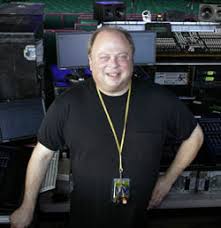
Designer/Director at PDIFX.COM
Production Design International Inc
31 yrs 11 mos
owner/Partner
Sep 1994 - Present · 31 yrs 3 mos
Owner/Director
1994 - Present · 31 yrs 11 mos
Creative Show and Architectural lighting design
Laser Design
Theatrical lighting and Special effects designerCreative Show and Architectural lighting design Laser Design Theatrical lighting and Special effects designer
Designer/Director
RUSHRUSH
Aug 1974 - Present · 51 yrs 4 mos
SHOW DESIGN AND DIRECTIONSHOW DESIGN AND DIRECTION
Applied Light Media
Toronto
1994 - Jan 2012 · 18 yrs 1 mos
Director