Apple Podcasts

 Spotify

 YouTube
#330 - Jim Brammer - Building a legacy in live events
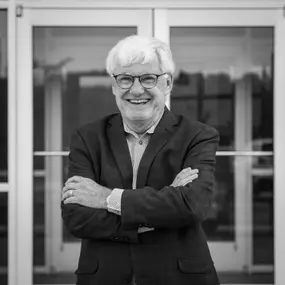
We’re excited to welcome back Jim Brammer, CEO of Special Event Services and Founder of Concert Stuff Group. From a tobacco farm in North Carolina to stages and stadiums around the world, Jim has spent nearly 40 years shaping the live event industry.He’s worked with artists like Hootie & the Blowfish, Coldplay, and 3 Doors Down, and pioneered arena-quality production for ministries including Dr. Billy Graham, Joyce Meyer, and Joel Osteen. Founder of a network of companies that simplify large-scale events, Jim’s leadership and people-first philosophy earned him the 2024 Parnelli Lifetime Achievement Award.And he’s still building, now bringing world-class entertainment back home with a 5,000-capacity amphitheater in downtown Winston-Salem. From farm fields to global stages, Jim Brammer’s story is pure vision, grit, and heart.In this engaging conversation, Jim Brammer, CEO of Special Event Services and founder of Concert Stuff Group, shares his remarkable journey from a tobacco farm in North Carolina to becoming a key player in the live event industry. He discusses the evolution of his career, the importance of partnerships, and the lessons learned from family and early life experiences. Jim reflects on pivotal moments, including his work with Hootie and the Blowfish and Billy Graham's crusades, which shaped his business trajectory. The conversation also delves into the role of AI in modern entrepreneurship and the challenges faced in adapting to a changing industry landscape. In this conversation, Jim Brammer and the host discuss various themes surrounding business strategy, the impact of AI on decision-making, the evolution of the event industry, and the importance of community and work-life balance. They share personal anecdotes about hiring, leadership lessons from Jack Welch, and the challenges and opportunities in the live events sector, particularly in the wake of the pandemic. The discussion emphasizes the need for innovation, adaptability, and a focus on creating meaningful connections in both personal and professional realms.This Episode is brought to you by Elation and Main Light
0:00 I can't. I came home from the Navy in 1974 and I had electronics degree compliments of the Navy. And you know, I thought, what am I going to do here? So I went to work for RJ Reynolds Tobacco Company. I was single. I wasn't the corporate type of guy. And we were at this discotheque one night I turned a couple of my buddies and I said, you know, we could build one of these. And they said you've lost your mind. And I said watch me. So yeah. So September 17th of 1976, I opened the doors of my first music club, if you will. It was a discotheque. I soon realized I didn't like the DJ on the stage mixing the record, so I wanted to see bands up there. And I started booking Motown, you know, 4 Tops, Temptations, The Platters and and then that got into regional rock bands. We're excited to welcome back Jim Brammer, CEO of Special Events Services and founder of
1:32 Concert Stuff Group. thanks for joining me again today on Geez of Gear, today's podcast. The From a tobacco farm in North Carolina to stages and stadiums around the world, Jim has spent nearly 40 years shaping the live event industry. He's worked with artists like Hootie and the Blowfish, Coldplay and Three Doors Down, and also pioneered arena quality production for ministries including Doctor Billy Graham, Joyce Meyer and Joel Osteen, founder of a network of companies that simplify large scale events. Jim's leadership and People First philosophy earned him the 2024 Parnelli Lifetime Achievement Award. He's still building now, bringing world class entertainment back home with a 5000 capacity amphitheater in downtown Winston Salem. From farm fields to global stages, Jim Brammer's story is pure vision, grit, and heart.
2:27 Please welcome Jim Brammer to the Geese of Gear podcast. I'm doing good. How are you? I'm doing excellent. We got to quit meeting like this on on podcasts I'm. I'm sure we got to get back to the physical connectivity at some point, don't we? You know, I mean, I do enough of that, but well, I shouldn't say enough. I do still a bunch of it, but not enough probably because I, you know, one of the reasons we all got into this industry is because we like people and we like being around people and we like connecting and, and networking and all of those different things. And then of course, you know, COVID changed everything. But for me, it was even before that. Like for me, my company went completely remote in about 2015.
3:13 And like, I have people who work for me, who've been working for me for 10 years, who I've never met, which is crazy. It's, it's lunacy. You know, actually, Sarah, who you just met, our producer, she's been with me for six years. And we just met last year at LDI. Oh wow. So flew her in for LDI. She's coming again this year because we're doing a couple of different events with LDI. We're doing this X live thing. And last year we started something called dining with Dinosaurs, which kind of takes the podcast to more of a a real in person thing. And so the list is unbelievable. Like if you saw the list for Dining with Dinosaurs, you'd like wow, like some of the top LDS, top TV guys top. We've got Branham, we've got Roy Bickel. Speaking of rigors, just an incredible, incredible lineup of like 20 people that we're calling dinosaurs because that's the name of the event.
4:16 And and then, you know, the young people and, and anyone really can buy tickets and come to this thing. And it's an LDI thing. And it's actually, I think it's the only individual ticket this year, the only thing that you can buy a ticket for separate from the show and all of that stuff. So yeah, it's going to be really, really great. It's going to be a lot of fun. But but yeah, so I'm, I've been looking forward to this one because, you know, I don't even actually usually when you've been on before, I go back to the previous episode and listen just to get a good idea. But I don't even remember how much stuff we went into about your past. But you have one of the most incredible stories coming into our business because first of all, you grew up on a tobacco farm in in North Carolina. But you know, I believe you went from there to like you joined the Navy and sort of an electronics thing and that somehow LED into a 40 plus year career in the entertainment, you know, sound, lighting, staging, video business. You know, it's a great country.
5:27 The opportunities are boundless. You know, it is true. Yeah, it's it's true. I can't. I came home from the Navy in 1974 and I had electronics degree compliments of the Navy and you know, I thought what am I going to do here? So I went to work for RJ Reynolds Tobacco Company. I was. In North Carolina back then, yeah. Exactly. You know, and and I mean, there were there were two times in my life I made my mother cry. She cried for joy the day I went to work for RJR and the day I left, she she cried, you know, for sorrow. But yeah, you know, because that was every mother's dream. You know, your kid goes to work for RJR. But I was young, single out nightclubbing a lot and just, you know, I wasn't the corporate type of guy.
6:13 And we were at this discotheque one night, I turned a couple of my buddies and I said, you know, we could build one of these. And they said, you've lost your mind. And I said, watch me. So yeah. So September 17th of 1976 I opened the doors of my first music club if you will. What was it called? Discotheque and. What was it called, Jim? It was called EJ's. Why? And that was because I had two partners, Elmer, Jim and Steve, and we just, you know. Ejs there you. Go and, and back then I wasn't very creative when it came to the marketing aspect of it, you know, or I would have picked some neat name like, you know, Mother Fletcher's or, you know, players or some junk like that. But you know, I soon realized I didn't like the DJ on the stage mixing the record, so I wanted to see bands up there. I started booking Motown 4 Tops, Temptations, The Platters and then that got into regional rock bands and that was. That was this club.
7:19 The 750 seats. And I also got a reputation throughout the Carolinas and Virginia that I like to build stuff for other club owners. And I would remodel other clubs. I would put in a lighted dance floor or build them a stage or whatever. And, you know, we we come around to 1980 and there was an old movie theater South of Winston Salem that had been sitting idle for a while. And it was back in the day when movie theaters were crammed. And it was a 600 seater with big, tall ceilings, 40 foot ceilings and a stage where every Saturday morning they did kids shows. And I went down to the owners and I said, you know, I want to rent this place and turn it into a live music venue. So in 1981 we opened up the Form Music Theater and I, I met a lot of people then.
8:15 Charlie Daniels, Pablo Cruz, the The Pointer Sisters, Reba Mackintosh, I mean just everyone I could book, I booked. And you were booking yourself? Yes, you were booking the venue. Too. Yes, yeah, I always, always booked it myself. You booked the venue. Booked it. I have some help in at. The end of the night. Yeah, yeah, I have some help. There was a guy in Atlanta by name of Ken Hewitt that had a strong out agency and you know, he would get a lead on someone and call me and say, Hey, so and so is coming through. Like I, I think Paul Davis, for example, one night was coming through. And so I'm, I'm a huge Paul Davis fan. So sometimes that's not good when you're a fan and you're also running the venue because you, you tend to I, I remember I booked Average White Band and every musician in the Carolinas and Virginia was there, but that was about it, you know, So we all had a good time.
9:14 Martin Day Rush concert. Exactly, exactly. But but you know, from that we kind of went outdoors. Charlie Daniels became a friend and he was a big veteran supporter. Me being a veteran, we decided to rent the local baseball, minor League Baseball field and do a benefit for the vets. It was very successful. We raised I think $56,000 for the vets that night. He walks off the stage and slaps me on the back and said, Jim, you found your calling, get out of the bar business and start producing events. So I took him up on it. That's what I did. And that's kind of like the the beginning of SES and which formed in the garage in 1986 with my wife and Jeff Cranfield. And and then later on it we did SET and we just started adding pieces that yeah.
10:11 Adding letters. Yeah, yeah. Exactly. We just started adding pieces or or solutions. We'll say yeah, when whenever there was a problem to be solved and we felt we could solve it, we created it like concert. Elation Lighting is a privately held corporation established in 1992 and headquartered in Los Angeles. All products are developed and engineered in the United States with sales and support office locations in the USA, Mexico and Europe, and distribution via a worldwide dealer network. Elation Lighting presents the Rebel Profile, a powerful high output LED moving head with dynamic color mixing with high CRI and rugged IP65 protection.
10:53 Unleash the untamed power of the Rebel Profile with explosive output, uncompromising precision and audacious projection that shatters conventions all in a packed 500 Watt package. The Rebel Profile delivers CNY color mixing variable, CTO and A7 position color wheel with high CRI filters and UV options. Elations Rebel Profile harnesses powerful visuals with rotating and fixed gobos, dual rotating prisms and high speed iris. With an IP65 outdoor rating, it enables designers to create captivating experiences in the harshest outdoor conditions. Featuring a customizable logo plate, the Rebel series lets you brand every moment. Bold, distinct and unmistakable, yours break free from the status quo.
11:41 Chairs, you know. How did how did you and how did you and Jeff get together? So once, once I got out of the, the bar business, sold the form, I, I started producing entertainment for corporate clients mainly. And I would hire Jeff's company, which was a sound and lighting company called Mighty Mouth sound and lights. And I I I talked about terrible. Names. Oh, yeah, exactly right. You know, so I would hire them and, and one day I was doing Ray Stevens in Winston Salem at the Convention Center and, and Jeff and his team were loading in the sound and lights and I was looking at the equipment and I said, you know, that's not really quite where I want to be and not really quite what I want to present.
12:34 So I went to Jeff and I said, look, how about you come over with me and let's start something and really put a, a, a good product out there. I ended up having to buy mighty mouth sound and lights and from the owner, but I ended up getting Cranfield in the process. And and this is, it's been a great win. Marriage. Yeah. One for partnerships to survive. What was that, the mid 80s? Late 80s. Well, it's 1986, yes. So 40 years. Next year, yeah, that's right. That's right. Like. Just for a partnership, you know, I've been through a couple partnerships and they're not easy. They're way harder than marriages. They aren't, you know. And so yeah, that that alone says a lot about the two people that are involved.
13:19 And I happen to have a high degree of respect for both of them. So I can see how it survived, you know, cuz you're both really good people. Well, you know, it's, it's, it hasn't been always easy. You know, there have been some partners in the mix and, and you know, you've been down the same Rd. where it just didn't jail for one reason or another. And, you know, I see a lot of friends that, that just suffer through it. They, they just grin and bear it or, or they just really don't get where they can be because they're held back. And then there's the whole resentment thing and all of that. So I, I've been, I've been very proactive in those scenarios. If, if I knew early on in the partnership that it just wasn't going to work, hey, you know, I'm sorry, but it's not going to work.
14:03 We, we, we've got to go our separate ways and it's, it's all worked out pretty well. Yeah. Well, I'd say so, yeah. I mean, you guys just keep growing and it's it's such a beautiful company and and I think, you know, a model that so many are really looking at going, what are those guys doing over there? You know, that's pretty interesting what they're doing because you've just done it different than everybody else. So, so yeah, I mean. It's been a lot of fun, but you know, it's, it's really not me. It's, it's all of the people in the group, you know, you, if you can get really good people and empower them to be who they can become, you know, that's, that's, that's the strength behind CSG everyone in every vertical that they have their strengths and, and, and they, they're so complimentary to the entire group.
14:56 And it's, it's just, it's just fun. It's a lot of fun. Yeah, so I read a couple things in your story. 1 Is that that your grandmother Alley was was one of Speaking of strength, was one of the real sort of rocks behind you. And do you have any lessons that you remember from her that that carried you through your career? Yeah, a couple. You know, she, she was a back in the day of the turn of the century. You know, she was a farmer's wife that raised 13 children. And my mother was the 13th. I'm the 13th grandchild. My mother was born on the 13th day.
15:37 So 13 kind of. Not only Taylor's lucky number, but mine as well. There's some interesting coincidences. Yeah, but she, she, she just taught me so much about the strength of being the, the matriarch of a large family and a farming family. And we, we we grew up dirt poor, really. I mean, I didn't know it then, didn't care. But if we didn't grow it, we didn't eat it. You know, it was. And I remember one time she and I were out picking blackberries, and I saw a copperhead and I said, Granny, there's a snake. There's a snake. She just calmly walked over and stomped on it.
16:19 And that was the end of that, you know? Wow. OK. That's that's pretty cool, you know, And I remember when I was so messy with Granny. Yeah. I remember when I was 15, I said, grandmother, I'm going to be 16 next year and I'm. I'm going to need a car. And she said, OK, Sonny boy, step out here with me for a minute. So we went out in the yard and she pointed over to the next hill and there was a three acre patch of land. And she said, see that 3 acres over there said yes, ma'am. She said grow you 1. So I grew 3 acres of tobacco the next year and bought my car. So, you know, that's that's it's just things like that, you know, those are incredible. Lessons.
17:02 So that's incredible. Like, that's what's, I hate to even go down this path and we won't. But some of that stuff's missing today, you know? Yeah, some of the foundational real teachings in life and, you know, hardships and all of the things that make us who we are or made us created the foundation that we could build things on top of, you know, come from, you know, toughness, come from, you know, not being given everything in our lives. Yeah, get guilty myself. I mean, you know, I, I never wanted my son or my daughter to grow up as hard as I did. I, I, you know, I probably spoiled them a little too much. Of course, Michael and Jennifer both will tell you.
17:44 Oh, no, We had a hard, you know. That not really uphill both ways to school. Yeah, right. Yeah. And snow. Yeah. Yeah. No, I know. I know. Well, my son grew up in Motorsports. He decided he wanted to be a racing driver. So we went through karting and then finally into cars. And, you know, his hardship is the fact that most of his friends who are racing in cars are now in IndyCar or Formula One or whatever because their dads were billionaires, you know? So hey, guess what, kid? Now you're roughing it, you know? You know, all the stories that you're going to tell him you're well, I would have made it as a Formula One driver if my dad wasn't broke and in the frigging entertainment business, you know? So.
18:29 So yeah, you know, we all have crosses to bear. I guess. Another thing that I read from your story that was really interesting, this pivotal spark from early on in in your life and career or that created your career, I guess, was you. You were, I believe, driving down the road or something and Jumpin Jack Flash came on the radio and you pulled over to listen to it and somehow that created the spark. It it it did and I still remember that this day I had a 63 Chevy super sport with a reverb unit in it. That's a cool bar. It was you know, and I paid 1500 bucks for it, you know, my own hard earned money. But you know, I was riding down the road 11 evening and and that came on I'm whoa.
19:19 I just pulled over to the side of the road and cranked it up, and I said I don't, this is moving me. This is why Raleigh nothing's affected me like this song right now in this moment. Yeah, I kind of knew I wanted to be in the music business. I didn't. I had no idea how to get there though. No idea. Yeah, really. That's interesting that it was jumping Jack Flash. Yeah. Yeah, right. I mean, for me, there's a lot of those moments in my childhood too, where, you know, because my my parents, my mom was a singer, my dad died when I was very young. My stepdad didn't really have any of those kinds of creative talents or anything. But there was always music playing in my house, you know, whether it was Elvis or Conway Twitty or, you know, all of that old stuff and always music playing. And I just always everything was based around music. Like where were you when this happened? Where were you when this song came out? Where were you?
20:15 And but, you know, I can't say that there was anything where it just. Moved me like what you just described in in jumping Jack flash and I just why that song? Like I don't see it as an inspirational song necessarily. Well, I was, I was trying to be a guitar player back then and was really lousy at it. And so I put that down and tried to play bass. I was worse at that, you know, but I just really, really enjoyed, you know, listening to good guitar work and, and, and just good beats and, and just just loved it. When I, when we built Ejs, we'd close down the club, get everyone out and it'd be like 2:00 AM in the morning and everyone was gone.
20:59 I would go up in the DJ booth and put on something and just go down and sit on the middle of the stage and just look and think and breathe it in and listen to. I remember I was into Chicago back then and I would play everything Chicago and, and blood, sweat and tears and, and it was just one of those 2230 AM, 3:00 AM in the morning moments where you were all alone in something you created and you were surrounding yourself with what you loved, which was music. And it it was just a a. Probably when you started to envision it as a as a live club too, right as.
21:41 Opposed to. Yeah, yeah, I love that. So you know, it's funny because I started out as a singer 1st and how I became a singer is quite funny. You'll get this because it's all through the church. So I was 6, I think, and I was at some Sunday school thing and, and with my family and I, I believe it was one of the, the, the nuns who, who asked if anyone had a song that they'd like to come up and sing. And, you know, I'm little Johnny like I always was. I was always the little Johnny guy, you know? Me, me, me, me, me. Pick me. Pick me. And my parents are looking at me like, what the heck?
22:21 What are you going to do? You know, what song do you know? And so I go running up onto the stage in front of I grew up in a very tiny town, like 200 and 5300 people. So everybody knew everybody. And they're all like, what's Marcel going to do? You know? So I get up and I start singing bottle of wine, fruit of the vine. When you going to let me get sober or whatever, right? How did I know this song? Nobody really knows. Obviously. I'd heard it through my parents or something. And the whole place was laughing and I was hooked. Like even though they were laughing at my silly song, I was hooked. And so a few years later, I was in 6th grade and there was a, a little thing hanging up in the church saying looking for a singer for a rock band hanging in the church. And so I was like, I want to do this. And I told my parents I want to go and audition for this singer in a rock band.
23:22 They're like, you've never sang except that one time in church, you know, and you can't do this. And I'm like, oh, yeah, watch me. So the rehearsals are the auditions were in the basement of the church, like the next day or something. And I went and auditioned and I got the gig. And so it was a rock band that rehearsed in the basement of a church, that played every Saturday night in the church, this thing called the Rock Mass. And it was these German songs translated into English. And because at the time there was no Christian rock or anything, rock music was still devil's music at that time. And so we played to basically pay our rent for the basement rehearsal space. We played this thing on Saturday nights that was standing room only at every teenager.
24:13 This by now I was in Calgary in a real city, and every teenager around came to this thing. There would be, you know, 5-6 hundred teenagers in church every Saturday night and, and we would go play gigs at high schools and community centers and stuff. And I was all of what, 12 years old or something, signing autographs for 15 year old girls and stuff. And yeah, so it was fun, lots of fun, but fantastic. You know, you get inspiration from different places, I guess. Bottle of wine with mine. So you you, I believe had initially. Wanted to go after broadcasting? Yes yes, Main Light, a trusted name in dry, higher lighting and stage equipment rentals.
24:59 Whether you're lighting a theater show, producing a major concert, or building out a broadcast set, Main Light delivers the gear you need to make your vision a reality. They offer a massive inventory of the latest moving lights, control consoles, trust LED fixtures, and durable IP65 rated gear that's perfect for both indoor and outdoor environments. From small scale productions to massive stadium tours, Main Light is known across the industry as the partner you trust with the gear you want. But that's not all. Main Light also offer new equipment, sales from your favorite brands and used gear pulled direct from their rental fleet. Every used item is rigorously maintained and backed by a 60 day depot warranty, giving you confidence and value in every purchase.
25:47 With three strategically located facilities in Teterboro, NJ, Wilmington, DE, and Las Vegas, NV, you get nationwide access and the responsiveness of a local provider. Explore their rental inventory, request a custom coat quote, or browse their sales offerings online today at mainlight.com. And I wanted to be a DJ because obviously hearing Jumping Jack Flash on the radio, I thought, oh, wow, this is if I'm a DJ, I can play anything I want to play. I can hear any, you know, I can connect. But I, I, I, I sucked at that as well, so you know. Man. It just it just didn't work.
26:28 So, you know, I struggled through early aspirations and failures and, you know, finally ended up where I am. But. You know, Jim, for a guy with no skills, you've done pretty well for yourself. You keep saying that, but I sucked at it. And you know everything. I sucked at it. You know, I want to do this, but I sucked at it. Yeah. No, that's, that's, that's interesting. And, and The funny thing is like if you could think of an area where it's probably harder to make money than it is in our industry, it's probably broadcast, you know, like especially now with. Podcasts and you know, it's come to that. It's come to that for sure, you know. Yeah, I mean, there's so many different ways to get your message out that, you know, most of them don't earn you a lot of money. So.
27:13 So. Yeah. So you and Jeff got together. You created. So what was it originally called? It wasn't called. Well, in the beginning there there were no lighting companies over in the Carolina. This bandit was the nearest lighting company. So we formed Southern Lights and Michael Strickland was instrumental in helping me get started. We bought all of our first equipment from him and then we would also sub back to him when he needed help. We'd we'd go do gigs for him. And then then that a year later, we thought, well, you know, it'd be nice to have an audio component. And we went and got Don Kate's Bogey and we formed SE Audio. And so here we are with Southern Lights and Southeast Audio. And a couple years later we're doing a lot of corporate events. And there was this company out of New Jersey. I, I don't remember the name of them now, but they, they, they had an office in Winston Salem.
28:12 Their main clients were like RJ Reynolds and some other people and, and we were doing the sound and lights for them and they would do all the slide projectors and the creative and all of that jazz. They just shut their doors one day and move back to New Jersey and left three people sitting there with no job. And I said, hey, come on up here on Patterson Ave. and throw in to us and we'll just, we'll just call it something. And we toyed around with some names and we finally came up with special event services because we were doing corporate, we're doing amphitheaters, we're doing festivals, we're doing the occasional frat gig. And, you know, just it was it. Once again, we're not marketing geniuses by any stretch. It's a very, very common name.
29:01 And I just thought, you know, well, you know, this, this kind of defines what we do. So, yeah, no, I, it totally makes sense. And so I, you know, for me, for some reason, like one of the things that I've always kind of tied you guys to is, is Hoodie, you know, Hoodie and the Blowfish. Obviously you've been doing it for years and years and years since I guess probably his first gig or their first gig. And so how did that happen? How did you you find that band? They find you. Do you remember? Yeah, yeah. In, in, in the early 90s, ninety, 1234, they were frat band. You know, they played clubs and frats and they, they were going to USC, University of South Carolina. And they would often show up on stages that we were doing production on.
29:54 And in 1993, they were on at both of the amphitheaters that we did production for at that time in the Carolinas. And they weren't the headliners. They were direct support and they had no production manager. So I would step in and make sure they were treated properly and make sure they had their 16 feet downstage and, and I would fight with the headliner for them and, and all of that. So when, when 94 came around, we, I ended up seeing them a lot. And they, we, they asked us to go throughout the Southeast and do frat gigs with them. So we, we developed a pretty close relationship. And then in 95 when they, they were going to tour, they called me and said, we want you to go on the road with us. And I said, yeah, well, I, I don't tour. You know, I'm, I'm, I'm a regional guy and I'm, I'm happy right here in the South and everything's going fine. We're happy to go work with you, but we just don't tour. Yeah.
30:59 And they and they persisted and we were working, actually we're working both with Hootie and Dave Matthews at that time. And we really didn't have the bandwidth to do both of them and thought maybe we don't get a given today, you know some. Things happened today, you know. Oh, absolutely. And so finally I get this call one day from their manager and said, look, the band's in the office and they want to meet with you. Will you drive down to Columbia and meet with us? And I drove down the next day and they were all in the office. And I said, look, we need you. We want you to go do this. And we're very comfortable with you. We know you'll take care of us and we just need you to do it. I said, OK, I'll do it.
31:44 And I got I got up to leave and and I think Paul Graham at the time was their tour manager. He said, hey, grammar, just want you to know, he opened up a desk drawer and he took out a folder that was about that thick of all the production companies that sent in quotes and bids and and tried to get the band. And he said, once, you know, these are all the guys that wanted the gig we just gave you. And he threw them in the trash can and said we never once looked at them, one of them. So that kind of that kind of started it, you know, and. So how hard was that figuring out how to become a touring company? Well, you know, it was, it wasn't hard because the band was trying to figure out how to tour as well. So we kind of figured it out together, you know, and, and we got most of it right.
32:35 You know, we, we and, and we had a lot of people throughout the country that were on our side because, you know, as far as bands go, Hootie and the Blowfish is a great success story. It's kind of like good guys wear hats, you know, and, and, and we were out there, you know, Carolina boys make it big. You know, crack rear view is flying off the shelves and it's great feel good music. And we were we were kind of like the the hit of of the summer. I remember getting a call from Bob Rue, who back at that time was working with Pace and Louis Messina and to advance the shows he was doing in Texas. And he says thank God for Jim and Hootie and the Blowfish. You've saved our summer because when we booked all of these gigs, the deal was very, very small for the band and very few of them had percentage deals on them. And we were selling out 20,000 Cedars, 25,000 Cedars. And the promoters were doing really well, you know, and they loved us.
33:40 But it was, it was fun figuring that out. It really was, yeah. That's really, that's really an incredible success story. I mean, the fact that they basically dragged you kicking and screaming into the touring business. And if you look back and, and think of, you know, what that did for your business and for for your growth and for all kinds of things. I mean, obviously you know, a bit of a turning point moment I guess in a. Sense well, you know, that's that same. You're another focal point, another turning point moment. I'm sitting in my office one day and and back then Wilson Rogers was managing the Walnut Creek Amphitheater for what would become Live Nation.
34:23 And he calls me up and says, hey, what are you doing? I said, well, I'm sitting in the office talking to you, Wilson. He said, get in your car and come down here. Now the Billy Graham folks are getting ready to come down and do a walkthrough and they want to do a crusade here. And you got to do it. OK, so a couple hours later, I'm there talking with the Billy Graham advance team. And we ended up doing an event there for four days that was so successful that they hired us. So here we are. I've got Billy Graham on one side and Hootie and the Blowfish on the other side. And wow, what what a, what an interesting paradigm and. I read AI read a funny story about that one too. Where I guess, I guess I think it was your first Billy Graham crusade and you had a week off on Hoodie and so you brought in the crew and the gear and stuff from Hoodie and there was a guy with AT shirt on.
35:18 That was a little inappropriate, I guess the monitor guy. Yes. Yeah, How'd that work out? Well, it it you know, at at sound check and rehearsals tonight before the 1st gig. Tom Bledsoe, who was the crusade director back then, walked over to me and said, Jim, we need to talk about a couple of things. Number one, this is very inappropriate to tire your boys have on here. So I want that cleaned up for tomorrow and I'll see you at Devotions in the morning and you better have a suit on. So you know. OK, Yeah. So I was at Devotions the next morning with a suit on and and and that and that began that career. And, and all of your team who were going to go out and do those shows suddenly had to wear.
36:02 Long sleeve shirts, no hats. Yeah. Yeah, exactly. Probably cover the tattoos. Yeah, yeah, that's. I mean, it's an interesting way to have to learn it, but you got to learn somehow, right? And so now, back then, you did whatever you had to do, you know? Yeah, yeah. You just got sucked into the moment and you know, you never said no. You know, you you figured out a way to do it. The cool thing about all of these stories that I'm so grateful for getting to hear these on a weekly basis, but it, it's always like, you know, you were there at kind of the foundation, like there wasn't an industry for all of these different things prior to then.
36:43 So, you know, while you can sit and complain about what it's like to be old, which I do everyday, you know, I'm also happy that I was here when moving lights were created and when the cell phone first happened and all of these different things, personal computers and the Internet and all of those things. You know, I got to see what it was like before it and then adapted into my life. And then you know, sort of, you know, look back and go, I remember the days before we had cell phones and when you actually got to rest on the weekend and stuff. So yeah, I mean, it's great to have that foundation and that knowledge and those stories and history and stuff.
37:26 I like it. Yeah, it's, it's kind of neat being first generation, you know, because there was no playbook. No one had gone before us, you know, and, you know, we, we had to make it up a lot of times and, and go on the fly. And, you know, there was a certain camaraderie. I remember Jean and Roy Claire in the early days and being able to talk to them and just call them up and have a conversation with them and, you know, try to figure things out and, and people around the country and they were heady times. I mean, because you didn't have, you built all of your own PDS. You made all of your own cables. Some built their own speaker cabinets. We we mostly, really. Yeah, most did.
38:06 Exactly. So yeah, it was kind of fun. Building our cans out of pineapple, but you know, cans or whatever like. Yeah, yeah, right. Or the the square Robert Roth Park cans. I'm sure you know Roth really well. I. Know Robert very well, yeah. Yeah, yeah. Well-being in the South? You have to know, Robert. Yeah, he and I did our first show together in 1977. It was Mother's finest. Really. Yes. 77. Wow. 77, yes. Yeah, I talked to him a few days ago about some of the old time stuff. Every once in a while we'll get into some really great old stories 'cause I love them. Even when I'm not on a podcast, I love hearing the old stories and stuff 'cause this industry, I didn't get into the industry until 1990, really 1991.
38:51 And you know, prior to that I was on the music side of things. And then I moved into, you know, production or whatever, but I never did production. I only I worked for manufacturers. So I was sort of once removed from the road. You know, I didn't know what it was like to share a tour bus with eight other gentlemen. So not always gentlemanly, by the way. Yeah. But the the Billy Graham thing was, was really the the start for you in I don't know what you call it, ministries or what would you call it? Yeah. Yeah, absolutely. I mean what we do has a ministry effect to it.
39:33 We like to think, you know, our ministry is getting the microphone ready for an A spokesperson of God to deliver the gospel. And that's, that's what we like to say our ministry is. Yeah, it was found. It was foundational. Yes, it was very foundational early on for a lot of us, Jeff, myself, Bogey and my family. Yeah, but but you went on to do stuff for Joyce and and Joel and some of the biggest, like not even arguably the biggest, but the biggest in in what they did. Well, I, you know, I like to say that, you know, hoodie put the rock in SES, but Joyce put the soul in SES and she she's, she's my favorite lady.
40:22 She really is. She's she, she's what a what? A gift from God she is, yes. I don't know much about her. I mean, I've certainly seen a couple of videos and stuff, but I don't know much about her. You know, Joel, obviously everyone knows about Joel and, and certainly Billy Graham. That's kind of what I grew up on more than more than the others. But is there something like, other than the obvious stuff where, yes, your people maybe need to be cleaned up a little bit and need to watch their language and, and all of that, is there anything else wildly different about doing those types of shows and events versus, you know, the rest? Festivals, Rock'n'roll. In corner.
41:05 Initially I thought there were, there was. And I remember calling, and I'll call him out by name, my dear friend Ken Porter over at Spectrum Sound in Nashville. I remember in 1998, I called him up and I said, you know, I'm just going to do Christian work from now on. And he came over to see me because Kenny was doing a lot of Christian work before. I was like Promise Keepers and, and, and a lot of, a lot of work. And he and Beverly became friends with Lynn and me. And it's, it's been a great friendship. But he came over and he said, Jim, if you only do work for Christians, how are you going to be an effective disciple?
41:51 I said OK, and he said besides going broke, which you will, you're not going to be doing what you have been asked to do, which is be a disciple. And I thought, you know, he's got a point there and for a man to take his time and come 7 hours and tell me that face to face and talk me through that. Oh, I've, I've never forgotten that. And, and I give him credit for not only that, but for discipling me or mentoring me through a lot of the early on Christian work that I did. We would see, we would see each other often because he often supported the Billy Graham events. You know, he, he, he, he being a gear head, a lot of times had the gear that we didn't have.
42:40 So he he would always come out but but. It's funny when when you told me he jumped in his car and drove out, I thought you were gonna say he sat in front of you and said, Jim, have you lost your damn mind you? Know, but he might say that today if you ask him if I've lost my mind. He probably said that, but in a much kinder and gentler way. You know, like you need to, you need to, you know, follow your calling here, which I think you know from the stories you tell. Like it, it, it was a, a, a bit of a jagged line, but it was a relatively linear line. Like it, it was, you know, this is the stuff I want to do. And things kept distracting you like the Navy and like this and like this and like whatever. But it, you know, that's how life goes. I mean, it's not perfectly linear, unfortunately. You know, it's not like, OK, here's where I am and I'm going to go exactly right over there and I'm just going to take the shortest path to get there.
43:38 That just doesn't happen, you know? Well, I don't think anyone can accuse me of having lived my life in a bubble so. No, no, no. You've done some stuff. You've done some stuff. So where do I go from here? There's so many different directions. So, you know, one of the things that I really love fast forwarding a whole bunch is this concert stuff, you know, and I actually had, I had chance on the podcast recently and we talked a little bit about the name because I love the name. Well, what do you sell concert stuff? I mean, it's like it's obvious, right? Did he tell you how we got to that name? I don't remember, but I want to hear your version of it anyways. So when Michael came to work for me, you know, he, he took on the role of not only being an account Rep and, and learning about the business, but he also took on the social media role in the websites and all of that.
44:35 And he came in one day and convinced me that we needed to hire a marketing guy. I said, OK, fine, go out and you know, go to Appalachian or High Point or one of the colleges and get you a graduate and interview him and get a couple of candidates and we'll make the best one. Yeah. Yeah. So we do that and he hires, he gets it down to two guys and he hires the one. I told him not to, of course. But then we're a year into this and I'm just not seeing results that I think I should see. And so I walked down the hall one day and I called Michael into his office at the young man's office. And I'm I'm ranting and raving about you guys have been on this for a year and the web, the website stink, the social media stinks.
45:26 I mean, we're not getting penetration here. What the hell are you guys doing? You know, and, and he looks up at me and says, well, what would you do? I said I would create a portal that you could go to with one click and see everything we have going on. I said, you can do that. You got technology to do that, right? He said, well, what would you call that? I said concert stuff because that wasn't what we did. It was that organic, huh? That, that was that organic. It just came right off the top of my mind. You know, I said it's, it's stuff. It's concert stuff. We'll call it concert stuff. And that's how that's how it happened.
46:06 That's hilarious. So you went and incorporated concert stuff and that became the holding company? Well, we, we, we first incorporated, we, we got the name and we just, we're going to use it as a marketing tool. You know, it's remarkable, Jim, that Concert Stuff Group was available as a name. It it it is, you know, kind of joking, but this but this was probably 2015 or 16. And I turned the mic on I said go in there and see if we can get that name And he 5 minutes later, yeah, we got it GoDaddy bam done. I said OK great. So it kind of set there for a long time. Coming out of the pandemic, we were approached by several private equity groups and coming out of the pandemic, I, I was scared, quite frankly. You know, here I, here I am a little bit, yeah, we all were here.
46:58 Here I am. We're, I'm approaching 70 and I've got all these employees. I've got my family. I don't have an exit strategy. I don't have a plan. Maybe we should do this. Maybe we should just sell to private equity. So this one company came in and they took a look at everything and they said we want to buy concert stuff. I said, well, that's just a marketing term. No, no, no, no, no. We want to buy all the companies and we want to call it concert stuff. I said, OK, how would that work? Well, we just fold them into one holding company.
47:39 We create, you know, shared services at the top, which includes accounting, consolidated financial statements, all this PE talk, right. And they and they try to convince you that you're broken, but they're there to fix you. Yeah, yeah. And so, so you know, we, we bit into it for a moment and we did about a year of due diligence and got right up to the altar and said I don't think so. Good for you. But maybe we'll do this ourselves. Yeah, and. Thanks for the idea. Yeah, thanks for the idea, right. I mean, you know, you're sitting in these meetings and they bring in like their marketing people and you're trying to explain to them who you are and what you do and they don't get it.
48:25 They bring in their IT people and their IT people are used to creating parts list for some job or somewhere and they don't get what you do. And they kept bringing in people that didn't get it and finally in frustration said, you know, these guys don't get it. And we're not as broken as they say we are. We just need a little help in certain areas. And so we went out and hired some good advisors and we put it together. And the very banking organization that had given the private equity Group A term sheet called us afterwards when we said no to the deal and now they ended up having our credit facility and doing it and do all our stuff for.
49:13 Us so they just invested directly into you as opposed to becoming a partner in the exactly yeah. So it, so it's worked out pretty. It's been painful. Yeah, it's been, it's been very. Painful. It always is. You know, I don't care what business you're in. I don't care what you're, you know, it always business people think it's easy. You know, people think that, you know, oh, you're so lucky, Jim. You know, again, they think that it was a linear line from poverty to to riches. And you never had a a headache at any. Point in there. Yeah, I, I spent the first half of my life learning how to do the business and I've spent the second-half of my life learning how to run the business.
49:56 Yeah. When you go from entrepreneurship to intentionality and trying to create, you know, it's, it's no wonder that nine, what 97% of entrepreneurs fail at converting or taking the next level or converting their business. It's it's difficult. It's. Just. Extremely difficult. You know, I've been an entrepreneur for, for basically most of my career. I, I was an entrepreneur when I worked for, for big companies, But you know, like you said, when you go from, I forget the exact term you said, but from being an entrepreneur to being more intentional, I think is what you said. I'm still trying to do that. And I've owned one company for 23 years and I've started some other ones along the way.
50:42 And, you know, it just seems to always change and you need to adapt to that change. And I'm always growth minded and always very entrepreneurial. So I'm always looking for ways, well, if we've got to change, how can we make it better? How can we make it better? I'm gonna make it better. And, you know, as you get older, it's hard work, it's tiring. It's, you know, like I this weekend, everybody I knew had fun and I worked probably 24 hours this weekend between Saturday and Sunday, you know, because I've got a lot of stuff going on right now and much of it flows through me. So, you know, it's, it's something, it's a love hate relationship for me because I love everything I do.
51:25 I love why I do it. I love who I do it for me. And you know, I love guiding and leading A-Team. But at the same time, sometimes you just go, I'm exhausted, you know, I really do. I wish somebody could come and give me a hall pass so I could take 30 days and just go relax somewhere in the jungle. I don't care where it is. But that hasn't come. Yeah, I, I, I remember, you know, 911 was a pivotal point for us. And that's when I decided I better figure out how to start to, to figure out how to run these businesses rather than just do them. And, you know, I, I was a sponge. I would read books by Peter Drucker, Jack Welch, anyone I could get my hands on.
52:09 And, and over the years, I've still continued to, to read and try to excerpt the little things from the reading to get beyond all the crap, but, you know, get down to the Nuggets. Yeah. And and, and figure that out. And one thing I read about a month ago, which I've been trying to put in practice, which is the most productive time of your day are going to be the first couple of hours of the morning. And after that your, your ability to process and to take in and retain and, and, and process information rapidly diminishes. And an hour, four and five, it's like falling off a Cliff. Because you go from controlling your day to being controlled by your day. Exactly, Yeah.
52:52 And once e-mail. Mental people, your mental capacity just diminishes along the way, you know? So I've made a conscious effort to, hey, at around 3:30, I'm looking to really dial it back. And once we get to like 5, I'm ready for that first nice glass of Cabernet because I'm not taking anyone's phone call after 5. If it's an emergency, I may talk to them up to six. But at six, it's just me, the wife and the cab. Good for you. Good for you. That's that's perfect. You know I will give you 1 pointer if you're not already doing it. Are you using AI at all yet? So we, my wife and my daughter have gotten me into some AI and some chat and, you know, putting together some things like that. So and I, I was reading up on you and I hear that that's where you're getting ready to take part of your business as well. And I did.
53:50 Maybe you can help me out with that. Yeah. No, no, I'm I'm so by the way, Ioffer basically free lessons to people. I put it on my LinkedIn and I said, anyone in our industry, if I, it can help you because our industry is very against AI. Yeah, some reasons are good reasons. You know, AI is not friendly to creatives because it's, that's right. And it's not. Here's my take on it. It's not replacing creatives, it's augmenting creatives who use it. And so what's going to happen is you're not going to lose your design job to AI. You're gonna lose your design job to a designer who's using AI. That's right. And because it makes you, it gives you super powers is really what it does.
54:33 So I'll give you 1 quick pointer. So you talked about books and you said reading books to get those Nuggets in the books, right? And I do the same because if you like, I know some people who have read a book or a system or a model, a business, you know, like, let's say you read what's it called winning from Jack Wells. If you just went verbatim and did everything he told you to do, you'd fail miserably. But but you take the Nuggets out of it that matter to you. And so with AI, when you start creating, like even ChatGPT, when you start creating your little realm inside ChatGPT so that it, it knows you. And by the way, you do that by putting a lot of information in about you.
55:18 Here's who I am, here's who I'm not. Here's my resume. Here's some of the things I've done. Here's some writing that I've done. Here's my blog. Here's like you give it as much information as you possibly can. Here's my wedding photos. Here's everything about me, you know. And so now that it knows you, what you do is you say, I'm interested in reading Jack Welch winning, but I don't have time. So knowing who I am and what is most important to me, give me the 10 takeaways that I'm going to get from that book. And you won't believe what it gives you next. You know, you won't believe the 10 things that it tells you next.
55:58 You'll just be like, it just saved you. And so that sounds kind of shallow that it saved me the time from reading the book 'cause I happen to like Jack, Jack Welch and I love that book winning if that's the one you're talking about. But so, you know, but like, The thing is, when you just need a quick fix and you want it from that book, it really does give it to you. And, you know, I'll give you another example. So, you know, I'm looking to hire a fractional CFO right now because we're in, we're in the process of doing a raise and, and we're, you know, because I've created an AI company and a lot of things going on and I'm still hurting from COVID, to be perfectly honest, my, my business is different than other businesses. And so we're doing the first time ever in my life that I've ever raised or took on, you know, loans and debt or whatever, any of those things.
56:47 So, you know, one of the things I need is I really need a smart financial partner at the table. And we don't need a CFO. Our company's too small and, and uncomplicated in a sense for a CFO, but a fractional CFO. Perfect. And so I've gotten a lot of guidance from people and from AI about this. So I put a post on my LinkedIn just a few days ago saying I'm looking to hire a fractional CFO. Here's sort of what we need, here's what it's for, blah, blah, blah. And so LinkedIn said, would you like to turn this into a job post? And I went, right, OK, why not sure. And so I said, yes. So AI in LinkedIn created the job post and I went, well, that's pretty remarkable. That's pretty much exactly what we're looking for. And so I said, OK, great.
57:35 And it said would you like to promote this job post? And I said, Nope, I'm not spending any money. I don't want to promote this. Oh, well, we'll give you a free $100 credit to start promoting your job post. OK, sure. And so now I've got a free promoted job post and I'm happy. I'm thinking, you know, within a couple weeks I'll get some good applicants. Within a few hours, I had 250 applicants for this. For this, because it's remote, you know, you can be anywhere in the world literally because it's fully remote. It's in a fun business, it's technology based, it's moving fast, it's right at the point of a raise. So a lot of people want to get in at that moment because they think there's going to be good opportunity.
58:17 So I had 250 applicants right away. It's just me reviewing these applicants and I've got so much on my plate right now. And So what do I do? I download the 250 resumes that came in and put them into Chachi PT. And I said, based on what you know about the role, about the raise, about our businesses, about my style of management, I want you to choose the best 20 applicants from all of these and tell me why each one is the best. And, and then I'm going to create, I'm going to set up interviews for those 20 applicants. And I want you to help me with the interview questions for each one based on who that person is to our business. You wouldn't believe what it gave me next. I mean, it's just unbelievable.
59:11 So it really like, I'm not saying you should use AI to write all your emails or anything. People go to the sort of lowest a possible scenario that you could use it to replace you in the tasks that you don't like. Yeah, you can do some of that, but that's not where you're going to get the best value. You're going to get the best value by who is Jim Brammer? What's he really good at? What's he really smart with? And let's augment that with this new AI solution or assistant that he brings on board. The other thing is sometimes you're just sitting there at 9:00 at night with your head and your hands at your desk going, what am I going to do to solve this problem?
59:53 How am I going to fix this? You now have a combination of the smartest lawyers, doctors, medical professionals, philosophers, artists, musicians, whatever you want. They're all in the room at the same time ready to give you their best answers. And so that's how I use it. Well, you've certainly sold me on it and you and I are going to be talking later on. Anytime, anytime. And you bring up LinkedIn before the pandemic, 2015, 2016, I set out looking for a fractional CFO, okay? And I went to LinkedIn and bought the job posting. I think it's like 500 bucks. You're you're way richer than me, so you can afford that. But but this was before check GPT, right? Yeah, yeah.
1:00:40 So I 87 applicants and I'm sitting there all by myself thinking, golly, how am I going to do this? But I got them down to six. Yeah. And the one thing I learned then was, and you and you have great instincts as well. You you wouldn't have succeeded as an entrepreneur this long without great instincts and survive. And sometimes, yeah. And sometimes you just got to trust those instincts, right? Yeah. Out of those 87 people, one kept sticking out, one kept sticking out, and we got down to six and that one kept sticking out. And that was the first one I physically interviewed and flew her in. And the price was double what I was expecting.
1:01:25 And so I interviewed the whole 6 and I went back to #2 yeah, which was exactly where my budget was. Yeah. And I offered him a job and he had to finish out a job in South Carolina, and six weeks or so he was going to be moving to Winston Salem three weeks into it. It just ate me alive that I couldn't get who I really. Yeah, the number one, yeah. That I couldn't get the number one and I decided that rather than settle for #2 I would just suffer through another year and try to figure out how to raise the money to hire #1 and so I had to call him and withdraw the offer.
1:02:12 But I ultimately got to hire number 10. Good. And then the, and then the pandemic came. But then after that we started to re engage. But then the whole PE deal came up and now I have a full time CFO. Yeah, it all works the same. Person, it's a different. Number one, you know, yeah, yeah, you mentioned, you mentioned that Jack Welch, I think his first book, it was Straight from the Gut by Jack Welch. Yeah, I didn't read that one. And that was back in the 80s. And, and the one nugget I took away from Jack was the early days of GE when he was building into a powerhouse. He had every one of his divisional managers to assess and fire the weakest 10% of their department every year.
1:02:54 And I, I said, well, I certainly can't do that SES, but I have a problem in the trucking department. And so I walked down the hall and said, hey, list all the drivers. And, and this was Tom. And I said, I want you to rank them in order of, of job performance and attitude and how they get along with their customers and all of that. And I want to take a look at the bottom 10%. And I think we had like 50 drivers at that point. So the bottom 5, we fired three of those guys and he was kicking and screaming the whole way and I said trust me, this is going to work. I know it is, I know it is. It does.
1:03:35 So we did that for like 4 or five years running and we ended up with such a great team of drivers. It was phenomenal process to go through. You know, it's funny because Jack Welsh also did that with business units. Like if yes, that's business if you were not number one in your industry. That's right, yeah. They killed the company, you know, which like to me was like, whoa, number one, really, if you're not number one in your industry, not top five, not top 10, number one in your industry, we're going to kill the kill the company. So that's a little bit of pressure. But by the way, what you just explained about all the drivers, perfect case for ChatGPT again.
1:04:15 So you basically take those, maybe there's an assessment test or whatever and ChatGPT can even tell you here's what you want to test them on, have them each fill out this thing once a week or whatever, or you can do it based on automation and all kinds of other things. But you take those reports and put them all in and it could be hundreds of reports and you say I want the bottom 10% and tell me why. And you can put in any kind of criteria you want and it gives you such great information. The other thing that I'll do. So let's say when you're down to those last six applicants for the CFO job, put the six. So what I do, all of our meetings happen on a platform called Rome.
1:04:59 It's our, it's, it's a remote business platform and it's amazing. It looks like a real office. You can go knock on someone's door in their office and stuff. But one of the things it's got is it's got an AI like it. It records notes during every one of your meetings using AI, and it'll tell you exactly what the meeting was about, what you talked about, all this stuff. You can ask questions and go back and forth with it. But at the end of every meeting or at the end of every job interview, I print out the transcript. And so now you've got my interview of the person, you've got their resume. So I'll put the interviews and the resumes all in for those six people. And I'll say based on these six interviews and the six resumes, who should I hire from 1:00 to 6:00 and why? And who should I absolutely not hire and why? And I mean, usually I'll use that when it comes down to two people, right?
1:05:59 Like which one of these should I hire? Give me 5 reasons I should hire this person. Give me 5 reasons I shouldn't. And I mean, it's just, it's the decision maker and the, and the sort of, you know, stalemate breaker, you know, like if, if you're just like, oh, I can't make this decision. It's so amazing. It's such I talk to ChatGPT more than I talk to anyone on my team now. Well, you know that this is this is going to be bad for my team because you know, I'm going to I'm going to get off of this call and I'm going to call Chance and Michael and those guys and say, hey, I got a whole new way of doing things and taught me something. Yeah, yeah. You, you guys just buckle.
1:06:39 They're going to be Chance is going to be calling you first, I'm sure. And that's. All right, dude, what are you? Yeah. You what are you trying to? Do to me, no, you know what, though? That's it's not to replace him. I, I had one of those meetings this morning with my operations manager and, you know, because we're raising capital right now, one of the things we're starting to focus on is scaling the businesses. Come January 1st, 2026, we're going to be really focused on scaling. And so I've gone to every manager in my business and said, you know, give me your plan on how you plan to scale. What are the like? It was 7 questions basically answer these seven questions for me and it was, you know, what are the roadblocks? What are the things you need?
1:07:21 What are the things you don't need? What are people that you might want to replace or add? Like it was 7 really distinct questions. And I fed that all into ChatGPT and for every one of my leaders, it gives me back, you know, this person's really task oriented. They're not very strategic. They're not using a strategic thought process to build out this, this function or process or to really scale the business. You need to coach them on. Like it's, it's answering questions that I'm not even asking it. And it was so useful because him and I just sat there and talked through this thing and he's like, you know, that's so right. I need to, I need to think more at the 5000 foot level than right here on the ground level.
1:08:01 And it was so useful. Like, you know, every day I'm discovering things where I'm just like, wow, this is so great. I love it. You know you should. You should join concert stuff group. You would bring such a dynamic, you know? Well, you know, we are doing a raise right now and there are some opportunities here, Jim, we could talk about. But no, you know, I, I honestly, and this isn't Tooting my own horn or anything, but the, the things that I've learned to do with AI and just with my own crazy business mind as it is really lend themselves well to some of the larger companies in our industry. And therefore I've done some consulting with some groups who have either done roll ups or were, you know, growing or doing something different or whatever. So I do some of that stuff on the side. But but yeah, like I always wonder if I would manage my life differently and instead of building small entrepreneurial businesses, went and worked for a large company. It might have been a a lot easier and probably be I could have used some of my talents a little bit more because in a small company you can only break so many things before you're bankrupt, right?
1:09:10 So, so anyways, back to the regular schedule program. So yeah, but I again, I'm happy to spend an hour with you. OK, great. On a screen share just doing real world stuff like I'll show you examples. I'll go. OK, look like you can feed an expense report in and say, you know, based on this sales report compared to this expense report, is my sales manager doing the right things with money? You know, like is he investing effectively? Just every example you could possibly think of, like you could say, well, I've had this problem in my warehouse. I'll tell you exactly how to solve it using AI seriously like or at least to put put programs in place that will get you to solving it.
1:09:58 So so back to concert stuff groups. So right now your main businesses are G2 structures, special event transportation which I love, Guardian Bear, Guardian Barrier Services. What am I missing? Well, let's see SESSE TG2G2 Mobile, which specializes in we, we were the first joint venture with Stage Line and we have several Stage Line products throughout North America. Guardian Fuel Protection Agency, which we just do turf protection in stadiums for concerts. Interesting concert chairs, which you know, is exactly what it is.
1:10:40 We set up chairs for concerts and it'll do. By the end of this year, we'll have done like a couple of 100 gigs and that's yeah, with the. Field protection, I mean these are these are relatively small. Yes. Needs big problems because you know, the last thing that that like these field people are crazy like they you don't mess with my grass. No, you know, I remember I did a Super Bowl halftime show one time and that person was God like they they sprayed water at our non IP rated lighting fixtures and we went to yell at them and they were like, excuse me, you know, you may not understand this, but you're standing on holy ground right now.
1:11:24 You're absolutely standing here. Yes. So that's a really, really important thing. And obviously you saw a need to create a business around it. So what did people do before that before you? Created this business plywood, you know, Yeah, we would go into the last. So we at one time SES was the largest purveyor of rental plywood in the nation. We would tour plywood with big stadium shows. The last, the last tour we did was In Sync, and then by that time we'd gotten into some composite materials and some reusable drivable stuff. But we would buy plywood in January on the spot market when the prices were the lowest.
1:12:07 Then I'd cut a deal with the meals to hold the shipment and deliver it to the first concert, wherever that might be, in March or April. And and then we would pick it up from there and tour it with the show, with the Stones, with *NSYNC, with Pink Ford, whomever. Yeah. Yeah. So now it's not plywood anymore. Though no, no, it's it's actually drivable roadway which is a molded product from either high density polyethylene or high density polypropylene. And it rolls up I would assume. No, it it actually breaks apart and lay as panels. Yes, yes, there are there are some rolls, but those are temporary roadways to get like a forklift out to a spot tower front of house mix.
1:12:52 But when you're doing a whole end zone of a football stay and you want to put it down and so. It's like the puzzle pieces that all go together and interlock or whatever. Yes. Oh, that's, that's cool that that's got to be a great business because everything's a stadium show these days, it seems. Thankfully. Yes, yeah. I mean, it's crazy how big stadium shows have become, you know, and half of me thinks that that's just a dirty trick done by Live Nation, who owns a bunch of these stadiums. But, you know, so they're forcing bands into stadiums and making it. I don't know, It just seems to make more sense like in in a lot of ways. Well, you know, I, I don't think anyone has done more research on how to monetize the ticket buying public than Live Nation.
1:13:37 And, and even they are looking at the entire vertical from top to bottom. And one of their most recent endeavors is to build 55,000 seat venues across North America over the next five years. And if you think about it, that's pretty brilliant because let's take Winston Salem, NC, which within its triad population is about a million, 2,000,000 three. But all the big shows go to either Charlotte or Raleigh. Yeah. And and that there's. So if you're going to go see a big show, you got to drive to one place or the other. But there's this whole ecosystem at the 5000 seat range that, you know, you got artists like what Darius Rucker, Joe Bonamassa, Brad Paisley. They're thriving in these 5000 seaters and they can play Charlotte, Raleigh and Winston Salem and hit 3 succinct 5000 seat markets.
1:14:34 So it's brilliant on Live Nation's part, but it's also giving new breath and new new energy to these smaller markets that don't normally get any shows at all. That reminds me, you know, I used to do when I was with Martin 100 years ago, I used to do business with a, a magician from Bozeman, Mt. His name is J Owen House. And I remember he called Martin and Sales and the receptionist pushed the call through to me. And he was like, yeah, you know, I'm, I'm this magician and I'm looking to start using automated lighting. And I've never really used it. And and I said, well, you know, we don't sell direct.
1:15:17 And he goes, but can you help me figure out what I need? And then you can tell me which dealer I got to buy from. And I said, yeah, yeah, I can work with you on that. We became really good friends over time, but we sold him a lighting package through I think it was pro sound and stage light in California or something. I don't even remember. But you know him and his, he's got his whole family involved, his son, two of his daughters. And so they learned how to program all this stuff and whatever. But Long story short, so this guy, instead of going to Vegas, what he did is he bought a tour bus, a really nice prevo tour bus that his family would tour on. And they bought their own staging. They bought their own lighting, they bought their own sound, and they played high school gymnasiums, community centers.
1:16:03 They would sell between 502,000 seats in places that never, ever got any entertainment period. They had to drive to the nearest city. Like I'm talking towns that have, you know, 20,000 people and 10% of those would go to his show, you know that. And they kept all the money. And they kept all the money. That's they, they even sold the tickets. Like he had a, he had basically a phone room in his house where he just had four people. Yep, we're there next Tuesday and, you know, we've got some tickets left, blah, blah, blah. You know, and it was just like this machine that he had going. And this guy probably made more money than than most magicians who had shows in Vegas showrooms. You know, he just did very, very well. And so, yeah, what you're talking about, like bringing it all down to that local economy.
1:16:58 Not everybody wants to jump in their car and drive 4 hours to go to a stadium show to see a band that they'd rather see in a small theater or a soft cedar or whatever it is, you know? I I think some of the research I saw was that Live Nation had figured that they could monetize 50% more of the ticket buyers that they currently have if they take the event to those markets. Yeah, true. I, I completely agree with that. Like, you know, if if my favorite band was playing in in Orlando, which is 2 1/2 hours for me, I wouldn't want to go. Like, you know, but I'm not their target audience either.
1:17:41 But you know, probably 40 years ago, I would have gone. I would have been like, let's go on a road trip. We're going to see whoever you know. But yeah, I don't know the whole business. In some ways. I can't figure it out anymore. I just don't understand it anymore as much as I used to think I really did, because so many things are just unusual or don't make much sense. I had a ticketing guy on my podcast recently who actually has created a ticketing platform against Git Master. You know, like, I don't know if I'm a small entrepreneur. I don't know that that's who I'm going to go pick on today, you know, right, Like that's, that's brave. And but he's doing really well because he focused on a real niche business, which is mostly like EDM kind of stuff and especially smaller EDM stuff like rave parties. He does ticketing for rave parties, but he does all the ticketing for, I forget which festival, one of the big EDM festivals he does all of the ticketing for. And he's doing really well.
1:18:43 And, and it was just interesting talking to him about, you know, what can be done better and how to do that better. And you do it by, you know, like Ticketmaster is here and has become rather vanilla. And you go down here and you give 42 different flavors and you really customize that experience for the the person buying the ticket. You can open up some new markets so you. You can't, you can. And I mean, it's, it's just your different perspective on it. Like, you know, all my young guys like to tell me all this thing about EDNEDNEDM and we just did, we just did this stadium gig this past weekend and, and at Folsom and at Boulder, Co, University of Colorado with John Summit and I, I didn't know who John Summit was, but still he's, he's this huge, huge.
1:19:33 If he can sell a stadium in Boulder, Co, he's got to be someone, you know. So that is like 40,000 people in there and wow. And, and they say, you know, Ed and Dad, you got to get up speed. I said, dude, EDM is only a continuation of disco because it became disco, then it became raves, and now it's EDM. I was doing this stuff when it was really cool. Guys, you know, don't, don't, don't get all that's. Hilarious. Excited about yourselves here? Yeah, yeah, except it's got lighting budgets now that, you know, you wouldn't have dreamed of back then. Video Oh my. Goodness, unbelievable how much gear they're putting on. These This LED screen was 160 feet wide by 60 80 feet tall. Whoa, that is massive.
1:20:18 Massive A. Thousand row CB5 tiles, I said wow, how many trucks is that? That's incredible. Yeah. A really good friend of mine is Steve Lieberman, who's a lighting designer, lives in California now. He's from New York, but he started out doing little clubs in New York and stuff and he somehow locked into this whole EDM thing and now he's, I don't know if he's head of lighting design or whatever. For Insomniac who own all these big festivals and stuff and the shows that this guy puts on his on his Instagram and stuff, just unbelievable. The amount of lighting he's using on these things. It's just wild.
1:21:02 It is wild. The production, the production budgets on these shows is just unbelievable. And you got a guy up there who's pretending to DJ like he's touching buttons on the mixer and just kind of doing some of his dancing around and touching buttons and doesn't actually ever do anything right. Let's. Face, he shows up with the briefcase and walks up on stage and he flew in on a private jet and he's living on a private jet. And yeah, and some of the paychecks these guys are, it's unbelievable what they're making. You know, so one of the people my my ex neighbor here in South Florida, this is 15 years ago or something. Her name is Pam and they called her Pam DJ. And a long, long time ago, she, she basically started working with DJs when they were making, you know, 1000 to $5000 a night. She started working with them and, and convincing them that you really are rock stars and, and you know, we need to treat you differently.
1:22:04 We need to get you into better gigs. And she literally was, most people would tell you this like the old school DJ guys like Paul, Paul, what's his name, Sonnenfeld or something. But some of these guys, she got them from 5000 a night to like 100,000 a night like that and got them from flying on WestJet to or flying on Southwest to flying, you know, private and and she was, she was really monumental in making that happen. Pam DJI don't know what she does now, but yeah, it's amazing what that thing has done. And and you know, you look at these guys doing residencies in Las Vegas clubs, you know, making 253040 grand a night as DJs wild.
1:22:52 Is this a great country or what? It is a great country, you know, a schmuck Canadian like me can come in and and somehow find a way and make a career out of it, you know, there you go. So the, so let me just understand the corporate structure. So okay, concert stuff, group holding company with all the shared services in it, right. And then all the other businesses are separate businesses underneath and they have separate leadership teams and things like that, that that's great. So. We basically have 4 verticals and the verticals are technology, which is sound, lights, video, etcetera, transportation, which is trucks and buses structures, which is G2 and G2 mobile and support services, which is Guardian, barrier, FPA, concert chairs, etcetera. And then within those verticals, we have managing directors and, and it kind of falls under the the whole corporate umbrella, but each one of those companies are autonomous to their brand. But then over here, we just created integration as well because that grew out of the ministry work and the touring work with Billy and Joyce and Joel. So integration is over here and we've acquired one other integration company and now we've set that up as our fifth vertical and we're looking to expand that footprint. Is that primarily houses of worship? Or anything.
1:24:18 Yes, yes. Well, we do serve the Live Nation venues that we're in contact with constantly. And yeah, and, and we're kind of a, a backup go to for, for Live Nation if they need help at a venue with a delay line or something like that. We, we go do that. But by and large, we're primarily 95% houses of worship. But are you selling them the gear for their 50 new venues that they're building? Well, I, we haven't had that conversation yet. We are building a venue in downtown Winston Salem that's a 5000 seater. And we, we hope that that's going to become a model for not only Live Nation or AG or Danny Wimmer or whoever, but, you know, but really become a model also for municipalities like Missoula, Mt, They could use a 5000 seater in Missoula, Mt, you mentioned Bozeman, you know, they could use a 5000 seater.
1:25:17 And so I have a partner in this venue and he's in the automotive business, but he's got a terrific heart and a passion for Winston Salem. And in the last couple of decades, I don't know of a, a person and an individual that's done more for, for downtown Winston Salem than Don Flow. And it, it's just really, you can call it serendipity or divine intervention. I prefer to call it divine intervention. But we got together and he, he had this vision to do this. And I like to think that, you know, it's a focal point in life when opportunity and preparedness meet. And I felt like I was prepared and I was meeting opportunity. And we halfway through a meeting, I just said, Hey, why don't you and me just do this together? And he got up, extended his hand, and we shook hands. And now we're building a 5000 Cedar. They on sound wisdom Salem.
1:26:13 How involved are you in that? Like are you? Every day, really. Yes, yes, that is cool. And is it going to have, is it going to have house sound and lights or or? It's going to have house sound and lights when the tour will let us, or if the tour doesn't want to use their own. We're gonna have big video screens, we're gonna have Core 7 cinematics. We'll be doing all the imag and we'll have the, we're under a pretty strict noise environment. So we have to use DNB, KSL, L acoustics. I mean, we have to use a speaker cabinet has great back of box rejection and off axis rejection. So we can't just let someone come in with a point source system and spray stuff all over the neighborhood. So yeah, but for the most part, yeah, we're going to be able to offer the full gamut.
1:27:11 We're very excited about it. I've always, well, in the last 20 years, I've been able to kind of have a personal project because I've got such a great, great team behind me and, you know, and great team supporting me. And now with chance, you know, I feel like, wow, I can just really go out and do something crazy and wild kick. Back now. Well, I don't know what that looks like, and my wife will tell you she doesn't know what it looks like either, but good. For you, you know what, like too many people I know, they take their foot off the gas and that's when they hit the wall. You know, like yeah, they get sick or lose passion or whatever it is. And I happen to love working and my now fiance that says you're never going to quit working. And I'm not like I'm just going to that's going to evolve into different things, whatever it becomes. You know, I probably won't do exactly what I'm doing today forever, you know, but I'm going to continue working and I'm going to continue working in this industry because I like it. So same.
1:28:13 Here. Same here. Yeah, well, I'm good for you, man. Like, why stop? You know, I had this conversation with another friend of mine who's in his early 60s recently. And and I said, I'm really tired, like, I need a break. And he goes, be careful what you wish for because, you know, I'm going to work until I drop someday. And I said, but that sounds depressing. And he said it's really not. I love when I do. Why would I want to stop? Like look at hockey players and football players and stuff. When they have to retire, it's the most depressing time of their life. Like they're not happy. They they're stopping doing what they love to go and do with the people they love to do it with every day. And that's that's problematic. All you got to do is live through one global pandemic and you'll have a whole new appreciation for our industry and what we get to do.
1:29:00 And yeah, and, and all of those things, you know, so. Well when I did this red alert restart thing off of one of my zoom calls I remember just looking at it around and going. I can't believe how happy people are just to be out hanging lights to light up a bridge or a building or something. For free it was not. Getting paid, Yeah. Everyone was just so happy to put on their show blacks and go out and program some lights, even though they were just turning them red, you know? But it was, it was just such a cool moment because you realize that people aren't doing this for a paycheck, you know? Certainly, you know, we got it. But we got the call from The Avett Brothers manager, management and from his manager and they said, hey, we want to do a drive in show at Charlotte Motor Speedway.
1:29:48 And so we're sitting around doing nothing, right. And I would have worked for free, but I just wanted to do something. And he said would you mind coming down here tomorrow? Exactly. Would you mind coming down here tomorrow and meeting with me? I said yeah, absolutely. So Jeff and Michael and I get in the car and we go down, we meet with it's the Speedway people and and the a vets management team and all of that. And we pull over onto the track and they go to the second, the 3rd and 4th turns and they're thinking like a little 320 mobile stage and they're going to play up a hill, right? Well, at Charlotte Motor Speedway, there's this 200 foot long by 85 foot tall LED board that is designed to show the track environment 1100 feet away to the for the people in the start finish line. Everyone's walking over there and I'm looking at this giant LED board and I go running over there and I'm looking out across this track and I'm saying, guys come over here, come over here. This is where we're doing this gig. And you know, it was so difficult to convince them because audio, for example, you know, if we tried to think traditional audio, it would have been like 20 freaking delay towers and, and multiple rivals.
1:31:06 And no two, I said, we're going to embed the audio in the video and broadcast it and you'll be able to dial it in on your FM radio in the there you go. So I, I think someone listening may correct me, but we did 15150 cars. I think it might have been the largest drive in during the pandemic. It certainly wasn't in North America, as I recall, and it was so cool to walk out through those 15150 cars and listen to people chamming to their radio. People rented every pickup truck in the Carolinas, I think, that you could get and they put sofas in the bed and their stereo systems out of their house. And it was crazy.
1:31:51 Oh, it was. It was. But the. Problem is, even at that scale, it was, you know, it was impossible. It was just an impossible business model like. It was. You couldn't make money. The promoter couldn't make money. No, the actor performer couldn't make money. Like it was just it, you know, or when they did those cubes that were like 10 foot by 10 foot or whatever and five people in each one of those cubes, like you just couldn't make any money from it. It was, you know, the the like Bush used to say the arithmetic don't work. Definitely, you know that's. Right. We made no money on that show because I had to custom design this roofing system that could do this and do that.
1:32:32 And you know, it was like it just gave us something to do but. Yeah, yeah. Well, that's what it was all about, you know, like it was. I don't know that you were ever part of one, but I, I started these weekly Zoom calls every Wednesday at 5:00 PM and it was a, a happy hour. It's like a industry happy hour for for just anybody. It was a drop in thing, anybody who wanted to come. And I started it like in probably March of 2020, maybe around March, February. I don't know when it was exactly, but. March 13th, when the music stopped. Yeah. So it was around that time and we ended up doing like 100 of them or something, you know, because I had this, I had this, you know, incredibly brilliant saying that was this is a 90 day problem.
1:33:20 What do you want to look like on day 91? Like get yourself in shape, get your business in shape, you know, add that component, that wrinkle, whatever it is, you know, like get things cleaned up. Don't sit on the couch and eat Cheetos and and watch Netflix. Little did I know it was like 391 days or whatever. Not 91 days, but I started this Zoom call and 1st week was probably 20 people, then it was 40, then it was 60, then it was 100 or whatever. And it was guys like you, company owners, production managers, all the lighting manufacturers, anybody lighting designers, sound engineers, anyone could come to it. And just to be able to have other people from the industry talking to each other on a Zoom call. What are your problems?
1:34:15 You know, how can we help you with this? And, you know, like, honestly, I hate to say it, but the last time I saw Nook was on one of my Zoom calls. And John Wiseman was making fun of him because Nook was smoking weed in the basement of his house because his wife didn't like him to smoke upstairs. So he's sitting like next to a furnace or something. And and Wiseman goes, Nook, are you in the basement? And he goes, yeah, yeah, my, my wife doesn't like when I smoke upstairs, you know, And I mean, I have such a vivid memory of that. And and sadly it's the last time I saw Nook I think but. Yeah, but those things were so therapeutic though, you know, And it was. And it just goes to the strength of the fabric of our industry, you know, when when no one's a competitor during those times, we're all in it together, We're all friends. And if anyone's got an idea, please throw it out there. We're all ears.
1:35:13 There were some dumb ideas too. Somehow I got I got involved in so many of them because I was so willing to listen to people. You know, I always put myself out as, as, you know, the helper, you know, and, and actually my fiance is the one person in my life now who's saying, Marcel, you got to be careful. You know, there's only this many hours in a day. And if you're giving away this many, you know, you're going to run into some problems. So, yeah. So one of the things that I've always heard, you know, from people who work for you and who have worked for you in the past or whatever, is that you're very generous from a standpoint of like rewarding your team and empowering your team and bringing team members in as managers or owners in some cases.
1:36:04 And, and I remember your, I read about your integration company that the, the bonuses were larger than some of the, your salary, for example, or whatever. So how do you balance because I love being generous, but unfortunately, especially since COVID, I'm probably one of the, the shittiest payers in the industry with regard to how much salary and stuff I pay. And it's just not a necessity. Like, you know, I'm trying to mitigate losses, not to, not to extend them by being the biggest payer out there. So how do you balance generosity and and like sustainability?
1:36:46 Well, you know, it's tough, but I remember very early on and, and I think Joyce was the one that taught me this lesson that, you know, Jim, you're never going to be able to outgive God. So the more you can give back, the more you're going to be blessed with. And you know, I, I took that to heart, but I didn't do it just to be blessed. I, I did it because it really made me feel good. It made me feel like, wow, what's the best way I can impact people's lives? And it's to enrich them in one way or the other. Either give them the opportunity either monetize them or help their family, help them in times of distress. What whatever we can do that is a generation older or more that can enrich the lives of generations under us. You know, we need to do that.
1:37:34 There's there hasn't been enough of that. And since World War 2, if you think about it, you know, we're, we're kind of boomers and we're a product of everyone coming home from the big war and having all of these babies, but then their parents becoming dual income earners and latchkey kids and all of that jazz. And the family unit just kind of went away there. There's there's no more huge family reunions anymore. There's no more, I mean, outside of your own individual wife, children, grandchildren, you know, there's no 12 or 13 aunts and uncles that are getting together at Thanksgiving or Christmas and celebrating the family unit and the United States and the country and all of that jazz. You know, it, it's kind of like we've lost something that made this nation great.
1:38:28 And I think it's, it's some people like you. And yeah, it bugs me too. It bugs the hell out of me. And, and I, you know, it, it, it, it's, it's up to us, though, to do something about it. You know, and I came to this country as an immigrant and I like, I came from Canada. So it's not like I came from the Ukraine during a war or some war-torn country or something. I came from Canada to the United States. So I'm not trying to cry for me, but I am saying I came as an immigrant with so much respect and so much willingness to like, I came here with the what can I do for you attitude, not what can you do for me, but the what can I do for you Miss America. Like, how can I make this country better? And one of the things I decided at some point was by creating opportunities, by creating jobs for people, by, you know, procreating never worked out really well for me because I was too busy to be in the same state as my, as my now ex-wife. But I did have one son.
1:39:30 And, and, you know, God, God help us. Maybe at some point he'll have grandkids for me too. But, you know, I've just always had that attitude, like, I love this country. I love the opportunity. It's, it's provided me, you know, I, I don't understand why everyone doesn't think like that, like, you know, it could be worse either, you know. Yeah, yeah, absolutely. And and don't beat yourself up because you know you can't afford to give what you would really like to, because at the end of the day, you're giving something and at the end of the day, you are creating jobs. And at the end of the day, if you're not healthy and if you don't?
1:40:11 Stay in business. All that's going away for. Everyone if the company goes away. Yeah, you know, and and you know, it, it golly, it took me 25 years to get to a point to be able to do that. So yeah, you know. I love that though. I love that mentality. I love that you do that. I like to me it's how I've always been, you know? And I'll give you an example though, it always bites you or people find a way to turn a good thing like that into a bad thing. And I'll give you an example, not long after I started Gear Source, we weren't remote. I had a building here in South Florida and probably 2020 people inside the building or whatever. And I started bringing in a car wash guy every or a car wash company.
1:40:57 It was more than one guy, but I brought him in every Wednesday I think. And he'd come in at 9:00 in the morning and he'd be there till 6:00 in the afternoon and he'd wash everybody's cars or him and his partners would wash everybody's cars. And I paid for that every week. And so then what I started seeing is 1 particular employee, and I won't shame him on this podcast, but one particular employee would come in the morning, get his car washed, go home for lunch and bring his wife's car back in the afternoon. You know, and it's just like, I that made me so angry because it was just like, it's petty, but at the same time, so I, you just ruined it for everybody, you know, because you found the little loophole where you could take advantage. You just ruined it for everybody, you know, And we stopped him in the car washes, you know? And that's a shame.
1:41:49 You know, I've had some things like that happen in the. Past, and there's always been somebody who takes advantage. Always and and you know, not too long into it, I decided I'm not going to let one guy ruin it for everyone. I'm going to call him out, you know, and a lot of times I would call him out and I'd say, you know, come on, you with the little teeny mind, you know, get with the program. Yeah, yeah, yeah. Well, I mean, at some point everybody just looks at him and goes, you horrible man. No, Yes. And and they shame him, you know, but I don't know. I probably handled it all wrong. But like, you know, like you, I, when I can, I love to be the guy who gives, gives, you know, Christmas bonuses and gives, you know, free meals and gives whatever I can because at the end of the day, I only need so much and the rest goes to all of you. And so.
1:42:40 Yeah. Yeah. Well, you know, I, I, I think, you know, when we're in a position that we can do something impactful, you know, like concert for Carolina, you know, we were just in a perfect position to be able to do that. And we, we had a couple of artists that, you know, it, it just all fell into place And it, it, it, that'll go down as a pivotal moment in my career to be, to have been involved in that one event. You know, that's great. So are you planning to duplicate the, it's an amphitheater, right? It's an outdoor, Yeah, yes. You're planning to duplicate that into other cities or. Well, we're planning to use that as a model in case someone were to want it.
1:43:29 And then we will provide either the staging structure or the VIP structures or the seating or whatever components they choose to get from us or the entire thing. You know, I just want to be able to provide a model for cities like Winston Salem, be able to say, OK, they did it and it didn't cost a fortune. And you know, there's proof of concept, so we'll try it. Sorry, you're going to end up with like, you know, I'm next to G2, you're going to have V2 like venue, you know, not another business. No, no, no. You know, and, and I'm, I'm going back to my days of running the foreign music theatre when, you know, I, I built the live music theatre and I used to book it and run it and all that. And I'm thinking, Jim, don't get sucked backwards. You know, let's let's not get into this, you know, above, above your head.
1:44:24 So we'll see how it goes. So I'm having fun with it right now. Yeah, Speaking of which, like one final question, cuz I know I can't keep you all day, but you said something somewhere that I read called refocusing rather than retiring. And you, you know, you've mentioned I, I won't go into your age, but you know, do you still think about work life balance or anything like that, retiring, God forbid? Or do those thoughts creep into your mind? Or do you just keep trying to maybe? Well, they do. They do. And you know, if there's one major regret I have is that I didn't spend enough time with my kids growing up in the formative years.
1:45:12 And although whenever I could, I took them on the road with me. And you know, the I I have a St. for a wife. I mean, my goodness, you know, she homeschooled them and, and, and suffered through 40 odd years of this industry. But that's probably the one regret. But recently, coming out of the pandemic, it's all about refocus. Because if there's anything I can do for my grandkids, I want to do that. I want to re establish a stronger bond with my two kids, with my wife. And she and I are having a lot of fun now. We're probably having more fun than we've had in a decade. And good for you.
1:45:52 Yeah. It's, it's, it's trying to do do a work life balance in the later years that I never did early on. Well, and I think work life balance is a bit of a, you know, it's like a Bigfoot, you know, people talk about it, but nobody's ever actually seen perfect version of it, right? Yeah, right, right. And but, you know, I think we should be focused on quality of life. And, you know, if the quality of life is working 12 hours a day and that's the only thing that gives you joy, then that's what you should be doing. But, you know, you also have to think about what does that take away from the people you love, The people around you, you know, are what's their quality of life as a result of your choices? And so, yeah, I mean, I don't believe necessarily in work life balance, but I do believe in, like, I'm a huge fan of remote work.
1:46:45 And there is a downside to it. There's a downside where not having your team in the same room or in the same building does come with some challenges. But I've figured it out and I think I've nailed it now to a point where I have a lot to offer to somebody who's looking for a job. And like if they were going to go be a, a CFO at company A and make X, you know, they might choose Company B me for X -, 20% because of that mythical work life balance. That's right. They get to be around their kids when their kids get home from school or leave for school or have lunch with their wife every day, or go for a walk through their neighborhood that they've spent a fortune to live in or whatever. So, you know, those things really matter to me. Like, you know, I have a house up in Canada and in the Banff area, and now I spend basically the entire like from May until October.
1:47:42 I just got back last week. Wow. And I love it. There's so much, you know. But I love it's one of the most gorgeous places on the planet. It's, I'm biased, but I happen to agree. Yes, but I mean, just the ability to go for a walk in the mountains, you know, in between two meetings or something like that is so valuable to me. It really is so valuable to me. So as long as I can do those things, that's my work life balance like that I can balance my day where there are, you know, sort of sanity moments throughout the day that that, you know, so. Yeah, well, I've really enjoyed this Jim and and honest to goodness, I Ioffer you an hour of my time anytime you want to to give you a bit of a a deep dive quickly into some AI stuff that'll literally change your day right now. I'm going to take you up on that. Anytime, anytime.
1:48:37 Just shoot me an e-mail and we'll schedule some time and. Well, we're going to schedule some time because I'm still one of those physical connectivity guys. I'm going to fly you up to Charlotte, pick you up and we're going to do the little tour and then we're going to we're going to break bread together and then you're going to then you're going to show me how to do it. I'll I'll committed right now. All right, so fantastic. Absolutely All right, Jim. Well, thank you so much and and enjoy the rest of your week and. It's well been a pleasure. All right. Thank. You talk to you soon. All right. Bye. Bye.